
Marchman Act Petitions | Miami-Dade and South Florida
Helping Families Navigate Marchman Act Petitions for Oxycodone Addiction
Robinson Casey focuses on Marchman Act petitions and guardianship matters for families across Miami-Dade and South Florida. Your first consultation is free, confidential, and carries no obligation to continue.
By Richard J. Casey III, Esq. · Published October 28, 2026
When Your Adult Child’s Oxycodone Use Becomes a Family Emergency
A Marchman Act petition can be an option when your adult child’s oxycodone use has moved past their ability to make safe choices. This page explains how the Florida process works, what the court looks at, and what happens next.
If you’re researching marchman act oxycodone florida options, you may already be exhausted. You have paid for treatment, tried interventions, and held firm on boundaries. Then came the overdose, the hospital stay, the arrest, or the day they disappeared.
Most parents in your position fear the same things. They fear an overdose that ends in death, jail, homelessness, and losing hope that anything will work. Those fears are real. No outcome can be promised in any single case.
Marchman Act law is built around substance use impairment. It is separate from the rules for mental illness, so the facts of your family’s situation decide which path fits. You don’t have to decide everything today. You only need to understand the options well enough to take the next step.
If your adult child's oxycodone use has the whole family on edge, you don't have to sort out the legal options alone. Talk with our team about whether a Marchman Act petition may fit your situation. Talk it through with our team — the first consultation is free, confidential, and carries no obligation.

What the Marchman Act Is and Who It Is For
This page offers general information about the Marchman Act for families considering their options.
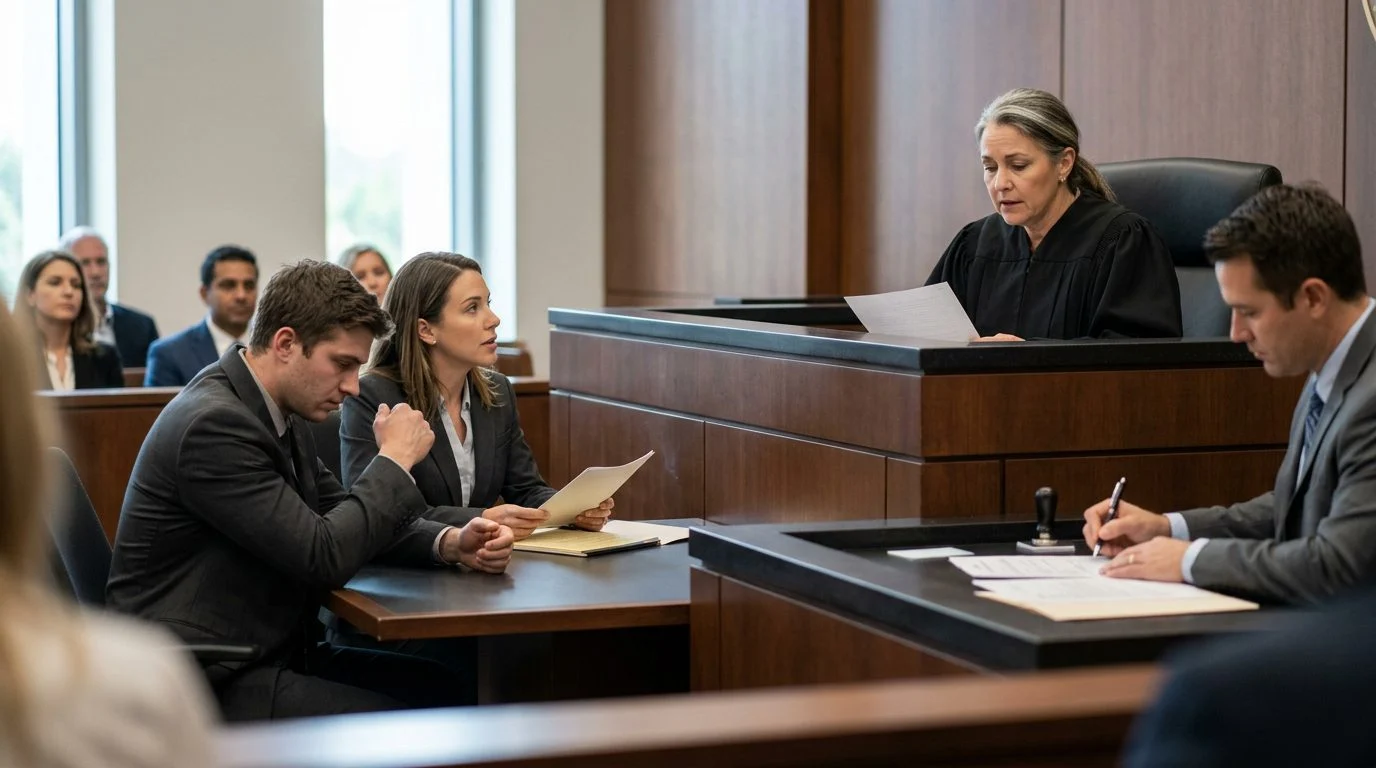
A family cannot order treatment on its own. A judge hears the petition, reviews the evidence, and decides whether the legal standard is met.
The statute also says who may file. For an adult, a petition may be filed by a spouse or legal guardian, any relative, a service provider, or an adult with direct personal knowledge of the impairment and prior treatment (Fla. Stat. § 397.68112). A parent is a relative, so a parent can file.
The law is written around substance abuse impairment, not a list of drugs. Whether oxycodone use fits the standard turns on how the use is affecting the person’s control, judgment and safety.
A Marchman petition is different from guardianship. Guardianship asks a court to appoint someone to make decisions for another person. Our firm handles both matters, so the facts shape which path fits.
Core Eligibility Requirements Under the Marchman Act
To qualify, there must be a good faith reason to believe the adult is substance abuse impaired, or has a substance use disorder and a co-occurring mental health disorder, and has lost the power of self-control about that use. The court must also find one of the safety or judgment conditions in Fla. Stat. § 397.675.
- Impairment. The adult has a substance abuse impairment, or a substance use disorder with a co-occurring mental health disorder.
- Loss of self-control. In practice, use keeps going even when it harms health, work, relationships or safety.
- Impaired judgment. The adult needs services but cannot appreciate that need or make a rational choice about it.
- Neglect or danger. Without care, the adult is likely to neglect themselves in a way that poses a real and present threat of substantial harm. Or there is a substantial likelihood of harm to self or others.
Refusal alone is not enough. Under the current text, a mere refusal to receive services does not constitute evidence of lack of judgment with respect to his or her need for such services (Fla. Stat. § 397.675). Fla. Stat. § 397.675 reads: “(b) Without care or treatment, is likely to suffer from neglect or refuse to care for himself or herself; that such neglect or refusal poses a real and present threat of substantial harm to his or her well-being; and that it is not apparent that such harm may be avoided through the help of willing, able, and responsible family members or friends or the provision of other services, or there is substantial likelihood that the person has inflicted, or threatened to or attempted to inflict, or, unless admitted, is likely to inflict, physical harm on himself, herself, or another.” The court looks at the whole picture.
Overdose risk, unsafe use, and a lack of food, shelter or medical care can fit the danger and neglect language. A record of treatment attempts that did not last can help show that pattern to the court.
Medical Evidence: Clinical Certificates and Records That Show Impairment
A petition can include a clinical certificate, which is a report from a qualified professional who examined the adult within 30 days before filing. The certificate includes that professional’s findings and treatment recommendations (Fla. Stat. § 397.68141).
If the adult was never assessed or refused an evaluation, the petition must say so. Missing assessment history is not hidden in the filing.
Gather records now. Useful items include emergency department visits, hospital admissions, prior treatment stays, and dates of any overdoses, arrests or missing-person reports. Pharmacy records can help show prescription use where you can obtain them. A medical evidence guide covers this in more detail.
Family testimony counts too. At the hearing, the court must review all relevant evidence, including testimony from family members familiar with the adult’s history (Fla. Stat. § 397.6957). The court may also order drug tests.
Start a written timeline today. List dates, incidents, who was present, and what treatment was tried. Bring it to your first consultation. You don’t need a complete file to make that call.
How a Marchman Act Petition Works, Step by Step
A Marchman Act case moves from a petition, to an assessment, to a hearing, and then to a court decision on treatment.
- Consultation and fact review. You share your timeline and records. We review what the petition must include.
- It is filed with the clerk in the county where the adult is located (Fla. Stat. § 397.681). The clerk may not charge a filing fee.
- Emergency path, if needed. When an emergency exists, the court may rely on the petition alone and enter an ex parte assessment order (Fla. Stat. § 397.6818). A provider generally may hold the adult for no more than 72 hours of observation, with exceptions.
- Hearing. The court schedules a hearing within 10 court working days unless a continuance is granted (Fla. Stat. § 397.68151). The adult has the right to counsel at every stage, unless the adult waives it while present and the court finds the waiver is made knowingly, intelligently, and voluntarily (Fla. Stat. § 397.681). The alleged impaired person is named as the respondent (J.C. v. State).
- Treatment order. If the court finds the conditions proved by clear and convincing evidence, it may order treatment for up to 90 days (Fla. Stat. § 397.697). Early release is possible once the conditions no longer exist (Fla. Stat. § 397.6971).
In short, for a renewal petition, the court schedules the hearing within 10 court working days, to be held not more than 15 days after the petition is filed. Fla. Stat. § 397.6975 reads: “The hearing is conducted pursuant to ss. 397.6957 and 397.697 and must be held before the circuit court unless referred to a magistrate.” A treatment order can last up to 90 days, and renewal is possible.
What Our Marchman Act Attorneys Handle for Families, and Why Robinson Casey
Robinson Casey focuses exclusively on Marchman Act petitions and guardianship matters. The firm serves families across South Florida, including Miami-Dade, and statewide.
Richard J. Casey III, Esq. is responsible for this page. Our team includes support staff who handle the practice’s office work.
For a Marchman matter, our attorneys review the facts and records, help you build the timeline, prepare and file the petition, and explain each court step. We also explain the adult’s rights, including the right to counsel.
Court records in these cases are confidential. The clerk may not publish personal identifying information on a court docket or in a publicly accessible file (Fla. Stat. § 397.6760).
If a guardianship route or another lawyer fits your family better, we will tell you during the consultation.
Not sure what your next step is?
Talk it through with our team — the first consultation is free, confidential, and carries no obligation.
Frequently Asked Questions About Marchman Act Petitions for Opioid Addiction
Does the Marchman Act cover oxycodone?
The statute is built around substance abuse impairment, not a list of drugs. Whether oxycodone use fits the standard depends on the facts of the case.
Can a parent file without the adult’s agreement?
A parent is a relative who may file under the statute. The adult still has the right to counsel at every stage of the case.
Is a Marchman Act the same as involuntary commitment for addiction?
People use that phrase for court-ordered treatment of substance abuse impairment. In Florida, the statute describes that as involuntary admission (Fla. Stat. § 397.675).
Does a Marchman Act petition lead to jail time?
The process in these statutes centers on assessment and treatment. Treatment orders can last up to 90 days (Fla. Stat. § 397.697).
What if my child was recently arrested or hospitalized?
Recent events can matter.

Next Step: Talk With Robinson Casey About Your Child’s Situation
If you’re still weighing your options, that makes sense. You may be reading this on your child’s behalf and not ready to commit to anything. A Marchman petition is a serious court step, and it helps to understand it first.
If your adult child is still using oxycodone and the crises keep coming, you may be ready to learn whether a court process could help. The first consultation is free, confidential, and carries no obligation to continue.
Call (561) 849-4149 or request a consultation.
Richard J. Casey III, Esq. is responsible for this page. A prospective client may not obtain the same or similar results.
How Robinson Casey Supports Your Family
Focused Practice
Robinson Casey limits practice to Marchman Act petitions and guardianship matters, so your case is handled within a defined area of law.
Clear Case Preparation
Our team helps you gather the information and documents involved in a Marchman Act petition and explains what each step involves.
Plain-Language Guidance
We explain court procedures, hearings, and possible outcomes in terms your family can follow during a difficult time.
Support for Families
We work with parents, spouses, adult children, and other relatives who are concerned about a loved one's oxycodone use.
Compassionate Approach
We recognize that addiction affects the whole household, and we aim to treat every family with respect and patience.
Concerned About a Loved One's Oxycodone Use?
Every situation is different, and the details of your family's circumstances matter. Call us to talk through your options. Your first consultation is free, confidential, and carries no obligation to continue.
Matters We Handle
Marchman Act Petitions
Guidance on petitions under the Florida Marchman Act for individuals whose substance abuse impairment may call for court-ordered assessment or treatment.
Involuntary Commitment for Addiction
Legal support for families pursuing involuntary commitment proceedings connected to substance abuse.
Guardianship Matters
Representation in guardianship matters, including plenary, limited, and mental health guardianship.
Emergency Temporary Guardianship
Help with urgent guardianship requests when a loved one needs immediate court protection.