
Marchman Act Modification & Discharge
Modifying or Ending Marchman Act Orders in Florida
When circumstances change, your Marchman Act order may be modified or discharged. Robinson & Casey helps families navigate the petition process.
By Richard J. Casey III, Esq. · Published September 28, 2026
Marchman Act Modification and Discharge: Changing or Ending Court Orders in Florida
A Marchman Act order can be modified to change its terms or discharged to end it entirely, but only when specific legal grounds exist and the court finds that changed circumstances warrant the change. Modification and discharge are separate legal actions that require filing with the court that issued the original order, submitting supporting evidence, and often attending a hearing.

Not sure what your next step is?
Talk it through with our team — the first consultation is free, confidential, and carries no obligation.
What Does Marchman Act Modification Mean?
Modification means asking the court to change the terms, conditions, or scope of an active Marchman Act order without ending it entirely. You might seek modification if the person’s living situation has improved, treatment progress warrants less restrictive conditions, or new medical information affects how the order should operate.
Modification is different from discharge. Modification keeps the court’s authority in place but adjusts what it requires. Discharge ends the order completely. Both are separate legal actions from the original petition that created the order in the first place. Families often pursue modification first when they believe the current terms no longer fit the person’s circumstances, then consider discharge if the grounds for the entire order have changed.
Grounds for Modifying a Marchman Act Order
The court will not modify an order simply because time has passed or because the person asks. You must demonstrate a significant change in the person’s condition or circumstances since the original order was entered.
Courts commonly consider modification when:
- The person has shown sustained progress in treatment or recovery
- The person’s living situation or support system has improved significantly
- New medical or clinical information affects the basis for the original order
- The person’s risk level or treatment needs have changed materially
- Compliance with treatment has been consistent and documented
Florida Statutes Chapter 397 establishes the framework for involuntary assessment and treatment. The court has discretion to modify based on the best interests of the person and public safety—not on fairness to the petitioner or how much time has passed. There is no automatic right to modification; the person or petitioner seeking it must affirmatively present grounds.
Who Can Petition for Modification or Discharge?
Several parties have standing (legal authority) to file a modification or discharge petition:
- The person subject to the order — they may petition the court directly or through an attorney
- A family member or interested party — a spouse, parent, adult child, or other relative with knowledge of changed circumstances
- The treatment provider or facility — the hospital, clinic, or program overseeing care
- The original petitioner — the person or entity who filed the Marchman Act petition initially
- An attorney representing any of the above
The court will consider petitions from any party with a legitimate interest, but the strength of the evidence matters more than who files. A family member with detailed knowledge of the person’s recovery may present a stronger case than a distant party with limited information.
The Process for Filing a Modification or Discharge Petition
You file the modification or discharge petition with the same court that issued the original order, typically in the county where the person resides or received treatment.
The petition must include:
- A written motion or petition stating the grounds for modification or discharge
- Affidavits (sworn statements) from the petitioner and, ideally, family members or treatment providers describing changed circumstances
- Recent medical records, treatment progress reports, and clinical documentation
- Any new information about the person’s condition, compliance, or support system
- Proof that notice was given to all required parties (the person, the treatment provider, the original petitioner, and any attorney of record)
Notice requirements vary by county and court, so filing correctly is critical. Missing notice to even one required party can delay or derail the petition. An attorney familiar with your local court’s procedures can ensure the petition meets all requirements.
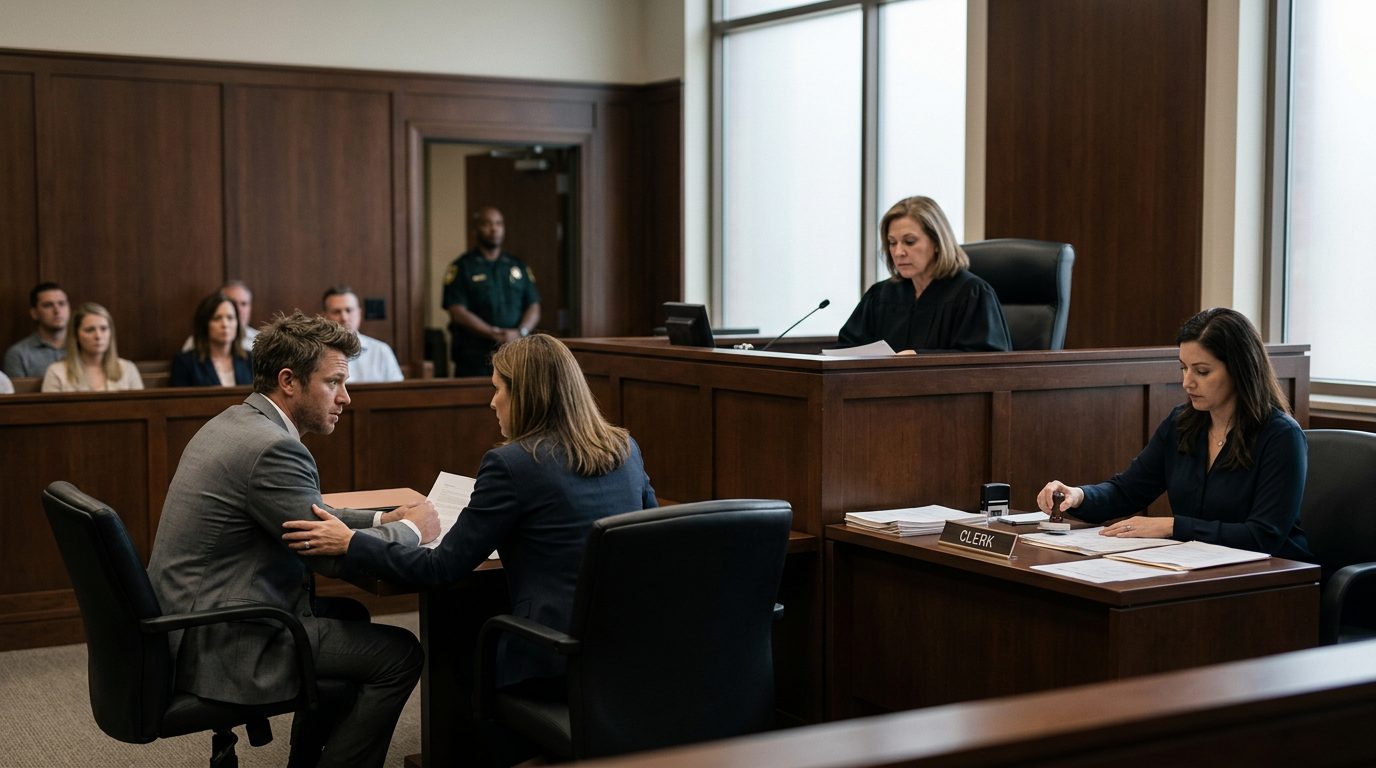
A hearing is often held, though some courts may rule on written submissions alone if the evidence is clear and no party objects. The hearing gives the person, family members, treatment providers, and other interested parties a chance to present evidence and testimony about whether modification or discharge is appropriate.
What the Court Considers When Reviewing Modification Requests
Judges weigh several factors when deciding whether to modify or discharge an order:
- Current condition and mental state — Is the person stable? Are they engaged in treatment or recovery?
- Treatment compliance and progress — Has the person followed the treatment plan? Are there documented improvements?
- Risk of relapse or harm — Would modifying or discharging the order create significant risk?
- Support system and living environment — Does the person have family, housing, employment, or other stabilizing factors?
- Medical and clinical opinions — What do treatment providers, physicians, and counselors say about the person’s readiness for change?
- Original grounds and whether they still apply — Do the circumstances that justified the original order still exist?
- The person’s stated wishes and reasons — Why does the person want modification or discharge, and is that reasoning sound?
Substance use disorder is a medical condition that affects judgment and behavior. Courts recognize this and focus on clinical evidence of recovery and relapse risk, not on how the person feels about the order. A person may genuinely believe they no longer need treatment, but if clinical evidence suggests otherwise, the court may deny the petition.
Have questions about what happened?
Ask our team directly. The first conversation is free, confidential, and there is no obligation to continue.
Discharge: Ending a Marchman Act Order
Discharge terminates the court order entirely. The person is no longer subject to court-ordered assessment, treatment, or supervision under the Marchman Act.
Grounds for discharge include:
- The person no longer meets the criteria for involuntary treatment (they are no longer at imminent risk due to substance use)
- Circumstances no longer justify continued court supervision
- The person has completed treatment and sustained recovery to a degree that no longer warrants court authority
Important: Discharge does not erase the order from the record. The order remains part of the court file and the person’s history. Discharge simply means the court’s authority under that order ends. This is not the same as “winning” or being found to have been wrongly committed. It means the current circumstances no longer support involuntary court supervision.
The person may petition for discharge at any time if grounds exist. The court may also discharge an order on its own motion if it determines that grounds are no longer present, though this is less common.
Timeline and What to Expect
Modification and discharge petitions are handled by the same court that issued the original order. Timeframes vary widely depending on court schedule, the complexity of the case, and whether a hearing is required.
In many South Florida counties, you can expect:
- Filing to first hearing: 2 to 8 weeks, depending on court availability
- Hearing to decision: Often issued within days or weeks, though some judges take longer
- Total process: 1 to 3 months from filing to final order, though this varies
Possible outcomes include:
- Modification granted (the order is changed as requested)
- Modification denied (the order remains as is)
- Discharge granted (the order is terminated)
- Discharge denied (the order remains in effect)
If the court denies your petition, you generally have the right to appeal, though the grounds for appeal are limited. An attorney can advise whether an appeal is realistic given the court’s reasoning.
Common Reasons Modification or Discharge Requests Are Granted or Denied
Modification and discharge are more likely to be granted when:
- The person has completed a significant portion of treatment or a full treatment program
- Family support and housing are stable and documented
- The person has maintained sobriety or is in active, documented recovery
- Medical and clinical opinions support the change
- The person has complied with all conditions of the original order
Modification and discharge are more likely to be denied when:
- The person continues to use substances or has relapsed
- The person has not complied with treatment or court conditions
- Treatment providers express clinical concerns about safety or readiness
- The support system is unstable or the person is homeless or isolated
- The original grounds for the order still apply
The court’s focus is always on the person’s wellbeing and public safety, not on fairness to the petitioner or how much time has passed. Even if years have gone by, if clinical evidence suggests the person still meets the criteria for involuntary treatment, the court may deny discharge.
The Role of an Attorney in Modification and Discharge Proceedings
An attorney helps by:
- Gathering and organizing evidence — Medical records, treatment progress reports, affidavits, and clinical documentation
- Preparing the petition and supporting documents — Ensuring all procedural requirements are met and the petition is filed correctly
- Drafting affidavits — Helping family members and treatment providers articulate the changed circumstances clearly and persuasively
- Representing you at the hearing — Presenting evidence, questioning witnesses, and arguing the case before the judge
- Negotiating with other parties — Sometimes the treatment provider or original petitioner will agree to modification or discharge, avoiding a contested hearing
- Advising on realistic outcomes — Candid assessment of whether the grounds are strong and what to expect
Modification and discharge proceedings are formal court actions. Procedural mistakes—missing a deadline, failing to serve notice, or submitting incomplete documentation—can result in dismissal or delay. An attorney familiar with Marchman Act practice and your local court’s procedures can navigate these requirements and present the strongest possible case.

Want to know where you stand?
Tell us what happened and our team will walk you through the options available to you, at no cost.
Frequently Asked Questions
Can a Marchman Act order be modified if the person is making progress in treatment?
Yes. Demonstrated treatment progress and compliance are strong grounds for modification, especially if the person’s risk level or treatment needs have changed materially.
What happens if my modification or discharge petition is denied?
The order remains in effect. You may file another petition later if new circumstances arise, and you generally have the right to appeal, though the grounds for appeal are limited.
Does discharge mean the person was wrongly committed?
No. Discharge simply means the court finds that the person no longer meets the criteria for involuntary treatment or that circumstances no longer justify court supervision. It does not erase the order or mean the commitment was improper.
How long does the process typically take?
From filing to final order, expect 1 to 3 months in most South Florida courts, though this varies by county and case complexity.
If you’re managing an active Marchman Act order and circumstances have changed—whether the person is progressing in treatment, living situation has improved, or you’re uncertain whether modification or discharge is legally possible—families in your situation reach out regularly to discuss their options. Contact us to talk through what’s changed and what the next step might be.
Important: Timing Matters
Marchman Act orders have specific modification and discharge windows under Florida law. Filing at the right time and with the right grounds strengthens your petition. The court will review the person's progress, compliance, and current treatment needs.
Common Grounds for Modification or Discharge
Demonstrated Treatment Progress
If the person is complying with treatment, showing clinical improvement, and their risk level has changed materially, the court may modify the order's terms or discharge it entirely.
Changed Circumstances
Significant changes in the person's condition, living situation, support system, or treatment needs may justify modification of the order's scope or duration.
Completion of Treatment Goals
When the person has met the objectives outlined in the original order, a discharge petition may be appropriate.
Denial and Next Steps
If a modification or discharge petition is denied, the order remains in effect. You may file again if new grounds or changed circumstances emerge.
How Robinson & Casey Can Help
Petition Preparation
We prepare and file modification or discharge petitions with the court, ensuring all required documentation and legal grounds are clearly presented.
Court Representation
We represent you and your family at hearings, presenting evidence of changed circumstances or treatment progress to the judge.
Guidance Throughout
We explain the process, timelines, and what the court will consider, so you understand each step and what to expect.
Direct Access
You work directly with our team. We're available to answer questions about your specific situation and next steps.
Ready to Explore Modification or Discharge?
Related practice areas
- Marchman Act Attorney | Florida Involuntary Commitment for Addiction
- Marchman Act Petition: What Happens at the Hearing and What It Costs
- Marchman Act Grounds Florida: What Courts Require