
Marchman Act Guide
Marchman Act Process in Florida: Step-by-Step
Understand how involuntary commitment for addiction works and what to expect at each stage
By Richard J. Casey III, Esq. · Published September 20, 2026
Marchman Act Process in Florida: Step-by-Step Guide
The Marchman Act process in Florida begins when a family member, healthcare provider, or law enforcement officer files a petition in circuit court seeking involuntary assessment and treatment for someone whose substance abuse poses imminent danger to themselves or others. What follows is a structured legal and clinical process designed to protect both the person’s rights and their safety—but understanding each step helps families prepare and make informed decisions during an urgent and often overwhelming situation.
If you're considering whether involuntary treatment might help a loved one struggling with addiction, understanding this process is the first step—and families facing this decision reach out to discuss their situation regularly. Talk it through with our team — the first consultation is free, confidential, and carries no obligation.

What Is the Marchman Act and Why Families Use It
The Marchman Act is a Florida statute (Chapter 397) that allows involuntary assessment and treatment for substance use disorder when a person is incapacitated by substance abuse and poses imminent danger. Families turn to it when voluntary treatment has failed, when a loved one refuses help, or when the addiction has reached a crisis point—overdose risk, loss of housing, legal jeopardy, or severe health decline.
The Marchman Act differs fundamentally from the Baker Act, which addresses mental health crises. The Marchman Act is specifically for substance use; the Baker Act is for mental illness or imminent danger due to psychiatric condition. Both are civil (not criminal) processes, but they operate under different statutes and standards. Petitioners—family members, healthcare providers, law enforcement, the state attorney, or designated crisis services—can initiate a Marchman Act petition when they have specific facts showing substance abuse and imminent danger.
Step 1: Determine Eligibility and Grounds
Before filing, you must establish that the person meets the legal standard: incapacitation by substance abuse and imminent danger. Imminent danger means risk of serious bodily harm, death, or severe deterioration due to substance use. This isn’t a prediction; it’s a present, observable threat based on recent behavior—overdose attempts, unsafe environments, medical complications, or patterns of use that have escalated dangerously.
Documentation matters. Gather specific dates, incidents, and facts: “On January 15, he used heroin and lost consciousness for two hours.” “She has been hospitalized twice in six months for overdose.” “He has no housing and is using daily on the street.” Vague statements (“He’s using too much”) won’t meet the legal standard. You don’t need to prove prior failed treatment attempts; the law doesn’t require that someone exhaust voluntary options first.
Who can file? Family members, healthcare providers, law enforcement, the state attorney, or designated crisis services under Florida law can petition. You don’t need to be a lawyer to file, but the petition must be specific and factual to succeed.
Step 2: File the Petition with the Court
The petition is filed in circuit court in the county where the person resides or is located. It takes the form of an affidavit—a sworn statement describing the grounds, the specific facts showing substance abuse, and the imminent danger. The affidavit is your opportunity to lay out the evidence clearly and persuasively.
Filing requirements and fees vary by county. Some counties have dedicated substance abuse court divisions; others handle Marchman Act petitions in the civil division. The court clerk’s office can direct you to the right form and process. Once filed, the petition triggers statutory timeframes: the court must act quickly.
A petition can be filed ex parte, meaning without the respondent (the person subject to the petition) present initially. This is crucial in crisis situations where the person might flee, hide, or refuse to appear. The ex parte process moves fast.
Step 3: Ex Parte Hearing (Initial Court Review)
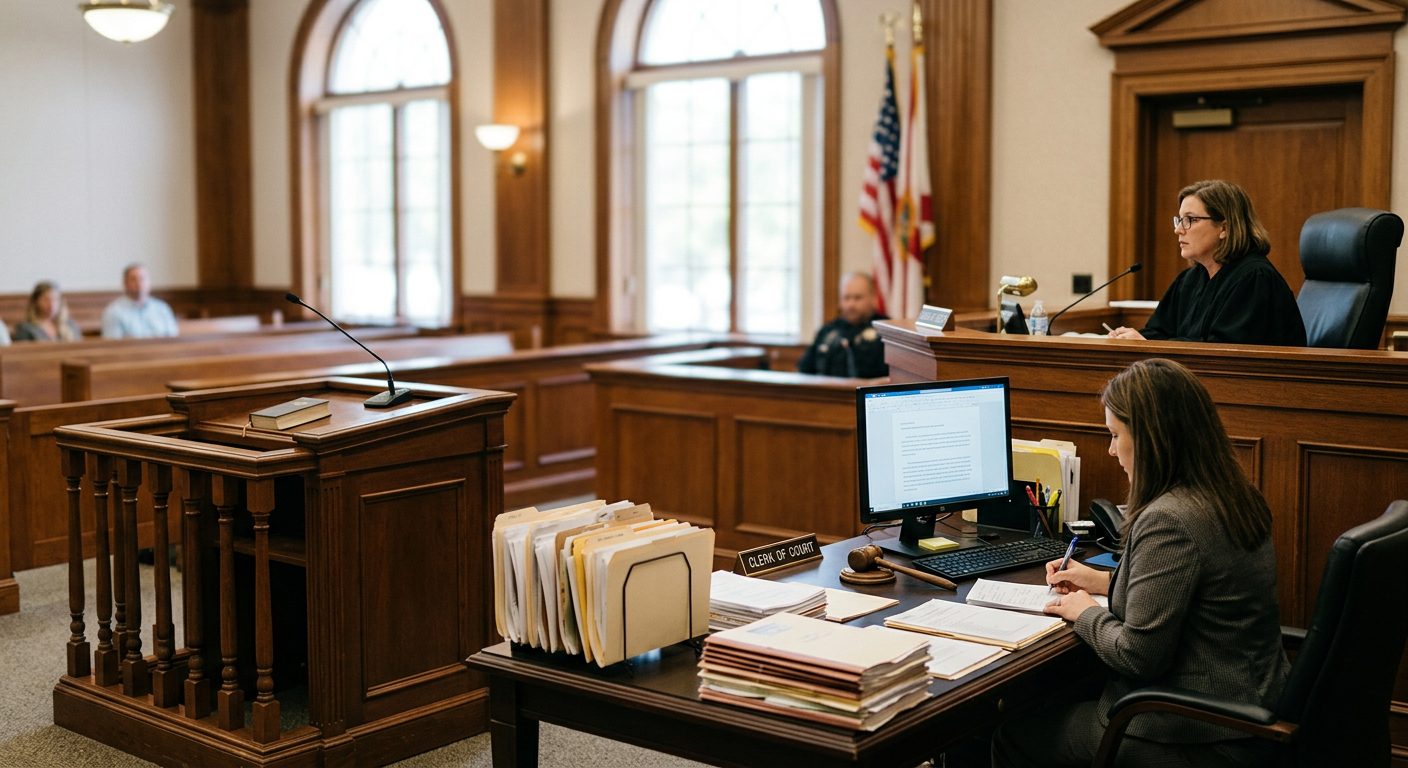
Within 24 to 72 hours of filing, a judge reviews the petition without the respondent present. The judge asks: Is there probable cause to believe this person is incapacitated by substance abuse and poses imminent danger? If yes, the judge may issue an order for immediate evaluation.
This is not the final hearing. It’s a preliminary gate. The judge is assessing whether the petition has enough factual support to justify moving forward. If the judge finds probable cause, an order issues directing the respondent to be transported to a designated evaluation facility—typically a hospital emergency department, a crisis center, or a treatment facility equipped to conduct substance abuse assessments.
The respondent has the right to notice and an opportunity to be heard at this stage or shortly after. They are not tried and convicted in secret; the process is designed to be transparent and fair, even though it moves quickly.
Step 4: Involuntary Assessment
The respondent is transported to a designated evaluation facility. A licensed professional—typically a substance abuse counselor, physician, or clinical social worker—conducts a comprehensive substance abuse assessment. This assessment is clinical, not legal. It documents current substance use, medical status, psychiatric history, and treatment recommendations.
The assessment answers key questions: Is the person currently using? What is the substance? How severe is the use? Is the person medically stable? What level of care does the person need—inpatient detoxification, residential treatment, outpatient services? The assessment is separate from the legal petition, but its findings inform the court’s decision.
Results are documented and reported to the court. The respondent and their attorney (if one has been appointed) receive a copy. This information becomes part of the court record and is presented at the full hearing.
Not sure what your next step is?
Talk it through with our team — the first consultation is free, confidential, and carries no obligation.
Step 5: The Full Marchman Act Hearing
The respondent has the right to be present, to have an attorney, and to contest the petition. At the full hearing—typically held within 5 to 10 days of petition filing—the petitioner (or their attorney) presents evidence of imminent danger and substance abuse. Witnesses may testify. The respondent may present evidence, call witnesses, and cross-examine the petitioner’s witnesses.
The judge’s task is to determine whether clear and convincing evidence supports involuntary treatment. This is a high burden of proof—higher than “more likely than not,” but lower than “beyond a reasonable doubt.” The hearing is civil, not criminal, but the standard is strict because the court is ordering someone into treatment against their will.
The respondent’s right to counsel is protected. If they cannot afford an attorney, one may be appointed. This is not a proceeding where someone should face the judge alone.
Step 6: Judge’s Order and Treatment Placement
If the judge finds clear and convincing evidence of incapacitation and imminent danger, an order for involuntary treatment is issued. The order specifies the type of treatment: inpatient (residential), outpatient, or other. It sets a duration—typically a minimum of 5 days for evaluation and stabilization, but often longer for active treatment.
The respondent is placed in a designated treatment facility licensed and overseen by Florida Department of Children and Families. The facility provides substance abuse treatment, medical care, psychiatric services if needed, and structured programming. The respondent cannot simply leave; they are in treatment by court order.
Step 7: Treatment and Ongoing Court Involvement
The respondent remains in treatment for the duration specified in the court order. The treatment facility provides updates to the court and, within privacy limits, to family members. Treatment focuses on stabilization, detoxification if needed, counseling, education, and preparation for aftercare.
The respondent may petition the court for modification or early release if circumstances change. The court may extend treatment if imminent danger persists and clear and convincing evidence supports continued commitment. Discharge planning and aftercare coordination—outpatient follow-up, support groups, medication management—begin during treatment so the transition is supported.
Key Procedural Rights and Protections
The respondent’s rights are central to the Marchman Act process. They have the right to counsel (and to have one appointed if they cannot afford one). They must be notified of the petition and the hearing. They may present evidence and witnesses. They may appeal the court’s order under Florida law.
Court records are sealed; privacy protections apply. The respondent and family members are not named in public court documents. Confidentiality is enforced.
These protections exist because involuntary treatment is serious. The law balances the family’s urgent need to intervene with the individual’s right to due process and fair treatment.
Timeline: How Long Does the Marchman Act Process Take?
The Marchman Act process moves fast, but not instantaneously. The ex parte hearing typically occurs within 24 to 72 hours of filing. The full hearing typically occurs within 5 to 10 days. The minimum evaluation period is 5 days for assessment and stabilization; treatment duration may extend 14 to 30 days or longer depending on the court order and clinical need.
Timelines vary by county and case complexity. A straightforward case with clear evidence may move faster. A contested case where the respondent disputes the petition may take longer. The court’s schedule and the availability of treatment beds also affect timing.
If you're considering whether involuntary treatment might help a loved one struggling with addiction, understanding this process is the first step—and families facing this decision reach out to discuss their situation regularly. Talk it through with our team — the first consultation is free, confidential, and carries no obligation.
Common Questions About the Marchman Act Process
Can the respondent refuse treatment?
No. Once a Marchman Act order is issued, treatment is court-ordered and involuntary. The respondent must comply or face contempt of court.
Will this appear on a criminal record?
No. The Marchman Act is civil, not criminal. There is no arrest, no criminal charge, and no criminal record. This is an important distinction for families worried about their loved one’s future.
Can family members visit during treatment?
Visitation policies depend on the treatment facility and the treatment plan. Some programs allow limited family contact; others restrict it during early treatment. The facility and treatment team will explain the policy.
What happens after treatment ends?
Aftercare planning is critical. The facility coordinates outpatient follow-up, support groups (like Narcotics Anonymous or SMART Recovery), medication-assisted treatment if appropriate, and ongoing counseling. Relapse prevention planning begins in treatment.
Can the order be modified or appealed?
Yes. The respondent has the right to petition the court for modification or early release, and to appeal the order under Florida law.

Why Legal Guidance Matters in the Marchman Act Process
A Marchman Act petition must meet strict legal standards. Incomplete or vague petitions are dismissed. The evidence of imminent danger must be specific, factual, and recent. Procedural errors—filing in the wrong county, missing deadlines, failing to serve notice—can delay or derail the process.
The respondent’s rights are protected by law. An attorney ensures the respondent’s side is heard fairly and that the court’s order is legally sound. For the family, an attorney helps prepare a strong petition, coordinates with the court and treatment facilities, and navigates the emotional and legal complexity of the situation.
In the cases families bring to us, the difference between a well-prepared petition and a hastily filed one is often the difference between a successful intervention and a dismissed petition. Specific facts, clear documentation of imminent danger, and knowledge of local court rules matter enormously.
If you’re considering whether involuntary treatment might help a loved one struggling with addiction, understanding this process is the first step—and families facing this decision reach out to discuss their situation regularly. Contact us to talk through your circumstances and explore whether a Marchman Act petition makes sense for your family. Call (561) 849-4149 or reach out online to schedule a consultation.
The Marchman Act Process
Step 1: Petition Filing
A family member, healthcare provider, or law enforcement files a petition with the court alleging that the respondent is substance-dependent and poses a danger to themselves or others. The petition must include factual allegations supporting involuntary commitment.
Step 2: Emergency Ex Parte Order
The court may issue an emergency ex parte order without the respondent's presence if there is imminent danger. This order authorizes law enforcement to take the respondent into custody and transport them for evaluation.
Step 3: Evaluation & Assessment
The respondent is evaluated by a physician or mental health professional within 24 hours. The evaluator determines whether substance dependency exists and whether the respondent meets criteria for involuntary commitment.
Step 4: Court Hearing & Order
A hearing is held where evidence is presented. If the court finds clear and convincing evidence of substance dependency and danger, it may issue an order for involuntary commitment to treatment.
Key Fact: Civil, Not Criminal
The Marchman Act is a civil proceeding. There is no arrest, criminal charge, or criminal record. This distinction protects the respondent's background and future opportunities while enabling court-ordered treatment.
What Happens During the Process
Petition Requirements
The petition must allege facts showing substance dependency and that the respondent poses a danger to themselves or others. Specific, detailed allegations strengthen the case.
Timeline Matters
Evaluation must occur within 24 hours of custody. Court hearings follow promptly. Speed is essential when addiction poses immediate risk.
Respondent Rights
The respondent has the right to be represented by counsel, to present evidence, to cross-examine witnesses, and to appeal the court's decision.
Treatment Compliance
Once an order is issued, treatment is court-ordered and involuntary. Non-compliance can result in contempt of court proceedings.
Types of Marchman Act Orders
Emergency Ex Parte Order
Issued without the respondent present when imminent danger exists. Authorizes immediate custody and evaluation. Valid for a limited time pending a full hearing.
Involuntary Commitment Order
Issued after a court hearing with clear and convincing evidence. Mandates treatment for a specified period, typically up to 60 days initially, with possible extension.
Continued Commitment
After initial treatment, the court may order continued involuntary commitment if the respondent remains substance-dependent and poses danger, or transition to voluntary treatment.
Why Robinson & Casey Handles Marchman Act Cases
Focused Practice
We focus exclusively on Marchman Act petitions and guardianship matters. This narrow focus means deep knowledge of Florida's involuntary commitment laws and procedures.
Family-Centered Approach
We understand the emotional complexity of seeking involuntary commitment for a loved one. We guide families through every step with clarity and compassion.
Statewide Service
We serve families across South Florida and statewide, handling Marchman Act cases throughout Florida.
Clear Communication
We explain the process, your options, and what to expect. You'll understand each stage and know what comes next.
Immediate Help Available
If a loved one is struggling with addiction and poses a danger to themselves or others, the Marchman Act may be the path to court-ordered treatment. Time is critical when safety is at risk.
Ready to Explore Your Options?
Related practice areas
- Marchman Act Grounds for Filing in Florida | Legal