
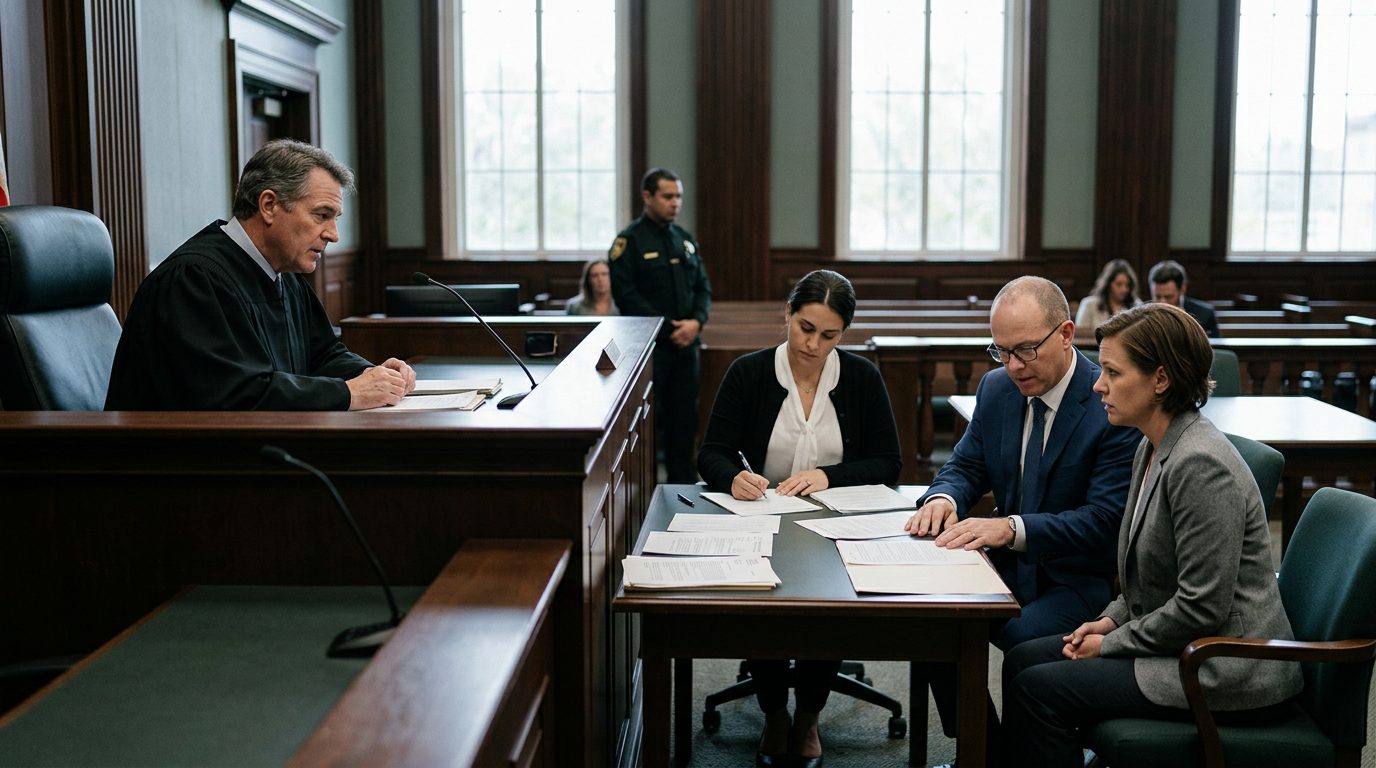
Florida Involuntary Commitment
Baker Act Consequences in Florida: What Happens Next
Understanding the 72-hour hold, your rights, and when to seek legal guidance for a family member or loved one.
By Richard J. Casey III, Esq. · Published October 05, 2026
What Are the Potential Consequences of Being Baker Acted in Florida?
A Baker Act hold in Florida means involuntary transport to a mental health facility for psychiatric evaluation, typically lasting 72 hours. The consequences range from immediate disruptions—loss of freedom during the hold—to longer-term effects on employment, insurance, medical records, and in some cases, firearm rights or future legal proceedings.
The Baker Act itself is not a criminal charge, but it creates a legal record and may trigger additional legal action if the underlying crisis is not resolved. Understanding what happens during and after a Baker Act is critical for anyone facing one or supporting a loved one through it.
If a loved one is in crisis or you're facing involuntary examination, understanding your rights and options—including whether a Marchman Act petition might be appropriate—matters. Reach out to discuss your situation. Talk it through with our team — the first consultation is free, confidential, and carries no obligation.

Understanding the Baker Act and Its Immediate Consequences
Florida Statute § 394.463 authorizes involuntary examination when a person appears to meet specific criteria: danger to self, danger to others, or severe mental illness with inability to care for oneself. Law enforcement, healthcare providers, or judges can initiate a Baker Act without a prior court order.
The immediate consequence is involuntary transport to a Baker Act-receiving mental health facility. The person does not choose to go; they are taken into custody by law enforcement or emergency medical services. This is not automatic admission for treatment—it is an evaluation period to determine whether the person meets criteria for continued involuntary care.
During transport and intake, the person loses immediate freedom of movement. They cannot simply leave the facility. However, they retain legal rights, including the right to be informed of the reason for the hold, the right to contact family or an attorney, and the right to know their evaluation findings.
The 72-Hour Evaluation Period
The standard Baker Act hold lasts 72 hours for adults, excluding weekends and holidays. During this time, mental health professionals conduct a comprehensive psychiatric evaluation, medical assessment, and review of the person’s history and circumstances.
At the end of the 72-hour period, one of four outcomes typically occurs:
- Release: The person no longer meets criteria for involuntary examination and is discharged.
- Voluntary treatment: The person agrees to remain for continued mental health care.
- Involuntary inpatient treatment: The facility determines criteria are met and seeks to hold the person involuntarily beyond 72 hours.
- Conditional release: The person is discharged with conditions, such as outpatient treatment or medication compliance.
If involuntary inpatient treatment is recommended, the facility must inform the person in writing and offer a hearing to challenge the recommendation. This is a critical juncture: the person has the right to legal representation and the right to contest whether they actually meet criteria for continued involuntary hold.
What Happens If You Get Baker Acted in Florida?
The evaluation process begins immediately upon arrival at the facility. Intake staff collect demographic information, insurance details, and emergency contact information. A mental health professional conducts a psychiatric interview to assess the person’s mental state, the circumstances leading to the Baker Act, and whether criteria for involuntary examination are met.
Medical staff may conduct a physical examination and order laboratory tests or imaging if clinically indicated. The facility reviews the person’s medical history, current medications, and any prior mental health or substance abuse treatment.
Throughout this process, the person has the right to:
- Be told the reason for the hold in plain language
- Contact family, friends, or an attorney
- Know the evaluation findings
- Request a hearing if involuntary inpatient treatment is recommended
- Have an attorney represent them at any hearing
The facility must document all findings and the basis for any decision to continue the hold. If the person is released, they receive written notice and discharge planning, which may include referrals to outpatient mental health services.
Legal Consequences and Court Involvement
A Baker Act involuntary examination is not a criminal charge and does not result in a criminal record. However, it creates a legal record that is part of the person’s mental health history.
If the facility recommends involuntary inpatient treatment beyond 72 hours, the person has the right to a hearing before a judge. At this hearing, the burden is on the facility to prove by clear and convincing evidence that the person meets criteria for involuntary inpatient treatment. The person may present evidence, call witnesses, and have an attorney represent them.
The person may also challenge the Baker Act itself if they believe it was initiated without legal basis. However, law enforcement officers and healthcare providers have qualified immunity—legal protection—in many circumstances, meaning they cannot be sued unless their actions violated a clearly established legal right.
If a person is adjudicated (found by a court) to meet criteria for involuntary inpatient treatment, this creates a more serious legal record than the Baker Act alone. Adjudication may have consequences for firearm rights, professional licensing, and future legal proceedings.
Can I Buy a Gun in Florida if I Was Baker Acted?
This question requires a careful distinction. A Baker Act involuntary examination alone does not automatically prohibit firearm ownership under Florida law. However, federal law is stricter.
Federal law restricts firearm possession by certain persons who have been adjudicated mentally incompetent or committed to a mental institution. The key word is “adjudicated” or formally “committed”—not simply held for evaluation.
A Baker Act evaluation is not the same as adjudication or commitment. If a person is evaluated under the Baker Act, released, and never formally adjudicated or committed, firearm rights are generally not affected under federal law.
However, if involuntary inpatient treatment is recommended and the person is adjudicated to meet criteria for commitment, firearm rights may be prohibited. Additionally, if the person is committed under a different statute (such as the Marchman Act for involuntary commitment for substance abuse), firearm eligibility may be affected.
The distinction is critical and fact-specific. If you or a loved one has been Baker Acted and are concerned about firearm rights, consulting an attorney is essential to understand how your specific circumstances affect eligibility.
Not sure what your next step is?
Talk it through with our team — the first consultation is free, confidential, and carries no obligation.
How Many Times Can You Be Baker Acted in Florida?
There is no legal limit on the number of times a person can be Baker Acted. Each Baker Act is evaluated independently based on the person’s current circumstances and whether they meet criteria for involuntary examination at that moment.
However, repeated Baker Acts may signal an underlying condition that is not being adequately addressed. If a person is Baker Acted multiple times within a short period, the mental health facility, family members, or the court may consider whether more intensive intervention is needed.
Repeated mental health crises may lead to involuntary commitment proceedings (a separate legal process distinct from the Baker Act) or guardianship. In guardianship, a court appoints another person to make medical, financial, or personal decisions on behalf of someone who cannot do so themselves.
For individuals struggling with addiction, repeated mental health crises may also prompt consideration of a Marchman Act petition—Florida’s involuntary commitment law for substance abuse—which provides a structured legal pathway for involuntary treatment.
Employment and Insurance Consequences
A Baker Act record is generally confidential under Florida Statute § 394.4615. Employers cannot access these records unless the person discloses them or they become relevant in a specific legal proceeding.
However, certain professions require disclosure of mental health holds. Healthcare providers, attorneys, law enforcement, and other licensed professionals may be required to report Baker Act holds during licensing or renewal. Failing to disclose when required can result in license suspension or revocation.
Health insurance typically covers the evaluation and any resulting treatment. The facility will bill the person’s insurance, and the person may receive bills for any out-of-pocket costs. Some uninsured individuals may qualify for coverage through Florida’s mental health system.
If you are concerned about how a Baker Act might affect your job or professional license, consulting an employment attorney or licensing board is advisable.
Medical Records and Future Healthcare
The Baker Act evaluation and any resulting treatment create medical records. These records are part of the person’s mental health history and will be accessible to future healthcare providers treating the person.
The person has the right to access their medical records, request corrections if they contain errors, and request that certain information be marked as sensitive. Disclosure of mental health records to third parties is governed by HIPAA (the federal Health Insurance Portability and Accountability Act) and Florida privacy law.
Mental health records are generally more protected than other medical records. Third parties cannot obtain them without the person’s written consent or a valid legal order.
Can You Sue for Being Wrongfully Baker Acted?
A person may have grounds to challenge a Baker Act if it was initiated without legal basis—for example, if law enforcement initiated the hold based on discriminatory reasons or without any reasonable belief that criteria were met.
The right to challenge begins with a hearing during the 72-hour hold. If the person believes the hold was unlawful, they can request a hearing and present evidence that they did not meet criteria for involuntary examination.
Beyond the hearing, a person may pursue civil liability against the person or entity that initiated the Baker Act. However, law enforcement officers and healthcare providers have qualified immunity, meaning they cannot be sued unless their actions violated a clearly established legal right and they acted without reasonable grounds.
Successfully suing for wrongful Baker Act is difficult but not impossible. An attorney can evaluate whether your specific circumstances support a claim.
Understanding Your Rights During and After a Baker Act
Your core rights during a Baker Act hold include:
- Right to be informed: You must be told the reason for the hold and your rights in plain language.
- Right to contact others: You may contact family, friends, or an attorney.
- Right to a hearing: If involuntary inpatient treatment is recommended, you have the right to a hearing before a judge.
- Right to legal representation: You may have an attorney represent you at any hearing.
- Right to refuse voluntary treatment: You cannot be forced to agree to voluntary treatment, though involuntary treatment may proceed if criteria are met.
- Right to access records: You may request a copy of the Baker Act form, evaluation findings, and medical records.
The facility must provide written notice of these rights and the evaluation findings before discharge or transfer.
If a loved one is in crisis or you're facing involuntary examination, understanding your rights and options—including whether a Marchman Act petition might be appropriate—matters. Reach out to discuss your situation. Talk it through with our team — the first consultation is free, confidential, and carries no obligation.
When a Baker Act May Lead to Further Legal Action
A single Baker Act is often a one-time event. However, if mental health crises continue or worsen, additional legal interventions may become necessary.
Involuntary commitment is a separate legal process in which a court finds that a person meets criteria for involuntary inpatient treatment and orders continued hospitalization. This is more formal and carries greater legal weight than a Baker Act evaluation.
Guardianship may be pursued if a person cannot manage their medical, financial, or personal affairs due to mental illness. A guardian makes decisions on the person’s behalf. Guardianship is a longer-term legal arrangement than a Baker Act hold.
Marchman Act petition is Florida’s involuntary commitment law for substance abuse. If a person’s crisis is driven by addiction, a Marchman Act petition may provide a more targeted legal pathway for involuntary treatment focused on addiction recovery.
These are distinct legal remedies with different criteria, procedures, and consequences. Understanding which tool fits your situation is important.
Next Steps: Understanding Your Situation and Options
If you or a loved one has been Baker Acted, the consequences depend on your specific circumstances: whether you were released after 72 hours, whether involuntary inpatient treatment was recommended, and whether the underlying crisis has been addressed.
Understanding your rights during and after a Baker Act is the first step. If involuntary treatment is recommended, having legal representation can protect your interests and ensure your voice is heard.
If a loved one is in ongoing crisis and you are considering whether to pursue involuntary commitment, understanding the available legal tools—including the Marchman Act for addiction and guardianship for long-term decision-making—can help you make an informed choice.
Robinson & Casey helps families navigate mental health crises and involuntary commitment in Florida. If you’re facing a Baker Act situation or considering whether a Marchman Act petition or guardianship might be appropriate, contact us to discuss your circumstances.

FAQ
Does a Baker Act show up on a background check?
A Baker Act record is generally confidential and does not appear on standard criminal background checks. However, it may be discoverable in certain legal proceedings or licensing reviews.
How long can you be held under the Baker Act in Florida?
The standard hold is 72 hours for adults, excluding weekends and holidays. If involuntary inpatient treatment is recommended, the hold may continue beyond 72 hours pending a hearing.
What is the difference between a Baker Act and involuntary commitment?
A Baker Act is an involuntary examination lasting up to 72 hours. Involuntary commitment is a court order for longer-term involuntary inpatient treatment based on a finding that criteria are met.
Can a Baker Act affect my job or professional license?
A Baker Act record is confidential and generally not accessible to employers. However, certain licensed professions may require disclosure of mental health holds during licensing or renewal.
What happens after the 72-hour Baker Act evaluation period?
The person is either released, agrees to voluntary treatment, is adjudicated for involuntary inpatient treatment, or is discharged with conditions such as outpatient care.
Key Point: Baker Act vs. Marchman Act
The Baker Act (Fla. Stat. § 394.463) applies to involuntary psychiatric commitment based on mental illness. The Marchman Act (Fla. Stat. § 397.675) applies specifically to involuntary commitment for substance use disorders. Robinson & Casey focuses on Marchman Act petitions and guardianship matters. If your situation involves addiction or dependency, we can help. If it involves mental health grounds alone, you may need different counsel.
What Happens During and After a Baker Act Hold
The 72-Hour Hold
A person held under the Baker Act may be detained for up to 72 hours (excluding weekends and holidays) for evaluation and stabilization. During this time, the facility must conduct a mental health assessment and determine next steps.
Rights During the Hold
An individual has the right to notice of the reason for the hold, access to an attorney, and the right to request a hearing to challenge the detention. Family members should understand these protections and what questions to ask.
After the 72 Hours
The facility may release the person, pursue voluntary admission, or petition for involuntary commitment. If involuntary commitment is sought, a hearing may be required, and legal representation becomes important.
Background Check Implications
A Baker Act record is generally confidential and does not appear on standard criminal background checks. However, it may be discoverable in certain legal proceedings or professional licensing reviews.
When Robinson & Casey Can Help
Addiction-Related Commitment
If substance use or addiction is part of the situation, a Marchman Act petition may be an alternative or complement to other legal action. We focus on addiction-related involuntary commitment and can evaluate your options.
Guardianship After Crisis
Following a Baker Act hold or other mental health crisis, families often need to establish guardianship to make medical, financial, or care decisions. We handle emergency temporary guardianship, plenary guardianship, limited guardianship, and mental health guardianship.
Immediate Consultation
If a loved one is currently held or you're facing an involuntary commitment decision, call us to discuss whether Marchman Act relief, guardianship, or other legal steps apply to your situation.
Need Help Navigating Involuntary Commitment or Guardianship?
Related practice areas
- Marchman Act Attorney | Florida Involuntary Commitment for Addiction
- Marchman Act Petition Filing in Florida | Robinson & Casey
- Voluntary Psychiatric Admission in Florida: Your Rights