
Guardianship in Florida
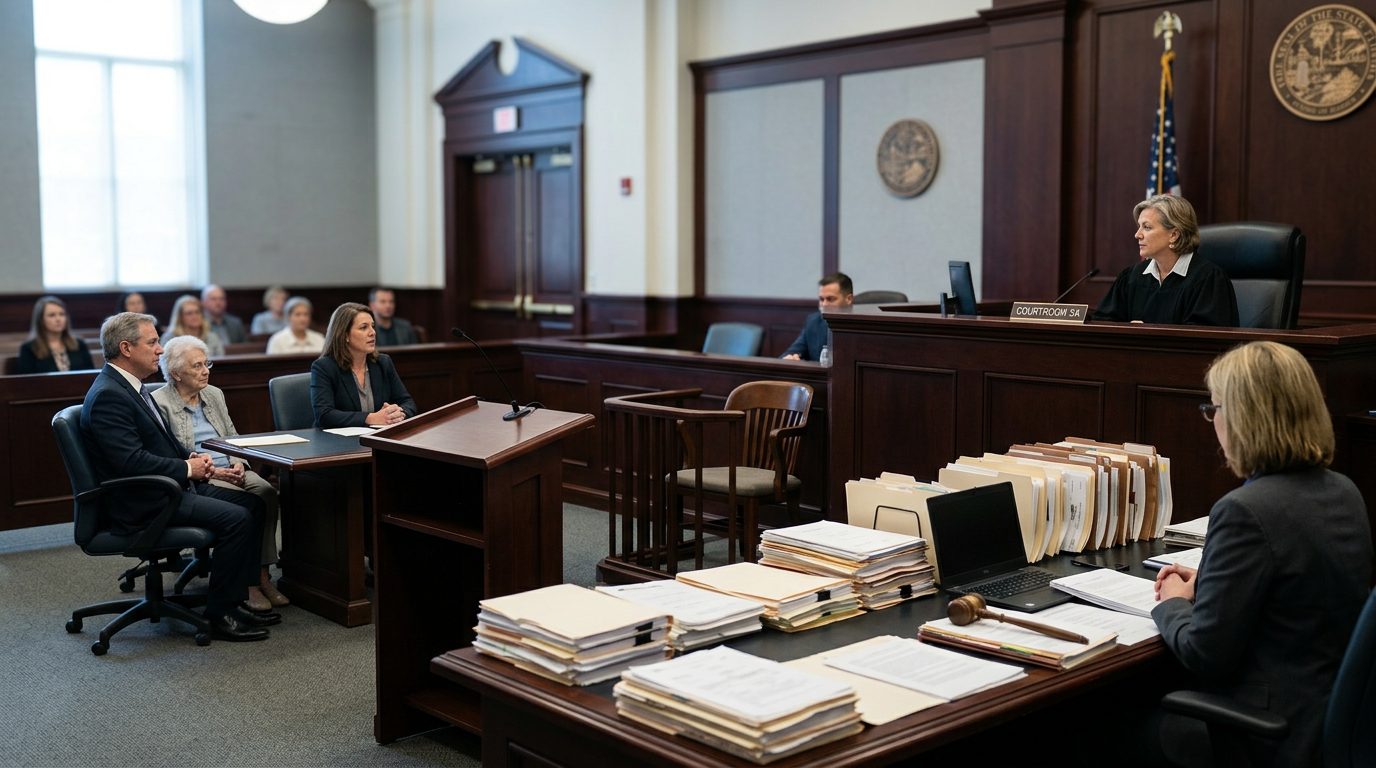
Guardianship Hearings in Florida: What to Expect
Understanding the process, timeline, and what happens in court when a guardianship petition is heard.
By Richard J. Casey III, Esq. · Published September 21, 2026
Guardianship Hearings in Florida: What to Expect
A guardianship hearing is a court proceeding where a judge decides whether someone lacks the capacity to manage their personal, financial, or medical affairs—and if so, whether a guardian should be appointed. The hearing is your opportunity to present evidence to the court and ensure the judge understands the full picture of the person’s needs.
Florida guardianship law is governed by Florida Statutes Chapter 744, which sets out the types of guardianship, the hearing process, and the legal standard the court must apply. Understanding what happens before, during, and after a guardianship hearing can help you prepare and know what to expect.
If you're considering guardianship or facing a hearing, you don't have to navigate the court process alone—reach out to discuss your family's situation. Talk it through with our team — the first consultation is free, confidential, and carries no obligation.

Overview: The Role of the Guardianship Hearing in Florida
A guardianship hearing determines whether a court should appoint someone to make decisions on behalf of another person. The judge must find clear and convincing evidence that the alleged incapacitated person cannot manage their person, property, or both.
Not all guardianship hearings are the same. Florida law recognizes several types: emergency temporary guardianship hearings (expedited proceedings when immediate danger exists), plenary guardianship hearings (full authority over person and/or property), limited guardianship hearings (authority over specific areas only), and mental health guardianship hearings (focused on mental health conditions affecting capacity). Each type follows a slightly different timeline and procedural path, but all require the same legal standard of clear and convincing evidence.
Before the Hearing: Petition and Notice Requirements
Before a guardianship hearing can take place, a guardianship petition must be filed with the court. The petition includes detailed information about the alleged incapacitated person—their name, age, residence, the basis for believing they lack capacity, and the specific relief being sought.
Florida law requires that the person who may become subject to guardianship receive notice of the petition and the scheduled hearing. This notice must be served in accordance with Florida Statutes Chapter 744 and gives that person—called the respondent—time to prepare a defense and secure legal representation.
The respondent has the right to be represented by an attorney. If the respondent cannot afford counsel, the court may appoint a public defender or guardian ad litem (a court-appointed representative) to protect their interests.
A physician’s report is typically required before the hearing. This report documents the respondent’s mental and physical condition, functional abilities, and capacity to manage personal and financial affairs. The physician’s assessment is often the cornerstone of the evidence presented at the hearing, so accuracy and detail matter significantly.
Hearings are generally scheduled within a specific timeframe after the petition is filed—usually 20 to 30 days, though emergency temporary guardianship hearings move much faster.
Emergency Temporary Guardianship Hearings
Emergency temporary guardianship may be granted without notice to the respondent if there is an immediate and substantial danger to the person or their property. These hearings move quickly, sometimes within days, to address urgent situations.
The petitioner must show clear and convincing evidence of both immediate danger and incapacity. Examples include imminent risk of harm, financial exploitation by a caregiver, or a medical crisis requiring immediate decision-making authority that the person cannot provide.
Emergency temporary guardianship is temporary by design. It typically lasts only long enough to stabilize the situation and allow time for a full plenary guardianship hearing. During this period, the temporary guardian has limited authority and must comply with strict court oversight.
Once the emergency is addressed or the temporary period expires, a plenary guardianship hearing follows, where the court decides whether ongoing guardianship is necessary and what type is appropriate.
Plenary Guardianship Hearings
A plenary guardianship grants the guardian full authority over the person, property, or both. At a plenary guardianship hearing, the respondent has the right to be present, to present evidence, and to cross-examine witnesses.
The evidence presented typically includes medical testimony from the physician who evaluated the respondent, testimony from family members or caregivers about the respondent’s functional abilities, financial records showing inability to manage affairs, and any other evidence relevant to capacity. The judge must find clear and convincing evidence of incapacity before appointing a guardian.
If the court finds incapacity, it enters an order appointing the guardian and issues letters of guardianship. These letters are official documents that authorize the guardian to act on behalf of the incapacitated person. The guardian must then take an oath, file an inventory of the person’s property, and comply with ongoing court supervision, including annual reporting requirements.
Limited Guardianship Hearings
Limited guardianship grants authority over only specific areas of the person’s life or property. Florida law favors limited guardianship when the person retains capacity in some domains.
At a limited guardianship hearing, the court examines which specific powers are necessary and appropriate. The respondent retains all rights not explicitly granted to the guardian. For example, a guardian might have authority over medical decisions but not financial decisions, or vice versa.
This approach respects the respondent’s autonomy and independence in areas where they retain capacity. It’s less restrictive than plenary guardianship and reflects a modern understanding that incapacity is often not all-or-nothing.
Not sure what your next step is?
Talk it through with our team — the first consultation is free, confidential, and carries no obligation.
Mental Health Guardianship Hearings
Mental health guardianship hearings address guardianship for individuals with mental health conditions affecting their capacity to manage their affairs. Psychiatric or psychological evaluation is central to the hearing.
The court must find that the mental health condition renders the person unable to manage their person, property, or both. The guardian may then have authority over medical treatment, living arrangements, financial decisions, and related matters.
The respondent has the same rights in a mental health guardianship hearing as in any other guardianship proceeding: the right to counsel, the right to be present, the right to present evidence, and the right to cross-examine witnesses. Mental health conditions deserve careful, thorough examination by the court, and procedural protections ensure that determination is fair and accurate.
What Happens During the Hearing
A guardianship hearing typically follows this structure:
Opening statements. The petitioner’s attorney presents the case and explains the basis for seeking guardianship.
Presentation of evidence. Witnesses testify, including the physician who evaluated the respondent, family members, caregivers, and others with knowledge of the respondent’s condition and abilities. Documents such as medical records, financial statements, and affidavits are introduced.
Respondent’s right to be heard. The respondent may testify and present their own evidence, witnesses, and documents. They may explain their perspective on their own capacity and needs.
Cross-examination. Both the petitioner’s attorney and the respondent (or their attorney) may question witnesses to test the accuracy and reliability of testimony.
Judge’s decision. The judge determines whether clear and convincing evidence supports guardianship and, if so, what type. The judge may announce the decision from the bench or issue a written order within a specified time.
Entry of order and letters. If guardianship is granted, the court enters an order and issues letters of guardianship authorizing the guardian’s powers.
Key Evidence and Documentation
Strong evidence is essential to a guardianship hearing. The physician’s report is typically the cornerstone—a detailed medical evaluation documenting the respondent’s mental and physical condition, functional abilities, and capacity.
Medical records, including hospital records, treatment history, and diagnoses, support the petition and provide context for the physician’s opinion. Witness testimony from family members, caregivers, healthcare providers, and others describes how the respondent’s condition affects their daily functioning.
Financial or personal records—unpaid bills, evidence of neglect, or signs of exploitation—demonstrate inability to manage affairs. Affidavits (written statements sworn under oath) from people with knowledge of the respondent’s condition can be powerful evidence if the person cannot attend the hearing.
The more thorough and organized your documentation, the clearer the picture you present to the judge.
Respondent’s Rights at the Hearing
Florida law protects the respondent’s rights throughout the guardianship process. The respondent has the right to be represented by an attorney—either one they hire or one appointed by the court if they cannot afford counsel.
The respondent has the right to be present at the hearing and to participate. They may call witnesses, introduce evidence, and testify on their own behalf. They may cross-examine the petitioner’s witnesses to challenge their testimony.
If guardianship is granted, the respondent has the right to appeal the court’s order. The court may also issue protective orders during the proceeding to safeguard the respondent’s rights and interests.
These protections reflect Florida’s commitment to fair process and to ensuring guardianship is imposed only when truly necessary.
Timeline and Next Steps After the Hearing
The judge’s decision is typically announced from the bench, or a written order is issued within a specified timeframe. If guardianship is granted, the guardian receives letters of guardianship.
The guardian must then take an oath before the court, file an inventory of the incapacitated person’s property, and begin managing their affairs according to the court’s order. The guardian is subject to ongoing court supervision and must file an annual accounting and report with the court.
If circumstances change—if the person regains capacity or if guardianship is no longer necessary—guardianship can be modified or terminated. The respondent or any interested person may petition the court for modification or termination.
If you're considering guardianship or facing a hearing, you don't have to navigate the court process alone—reach out to discuss your family's situation. Talk it through with our team — the first consultation is free, confidential, and carries no obligation.
Preparing for a Guardianship Hearing
Preparation is key to a successful guardianship hearing. Gather all relevant documentation: medical records, psychiatric or psychological evaluations, financial records, bank statements, evidence of the person’s functional abilities (or lack thereof), and any prior court orders or legal documents.
Identify witnesses who can testify about the respondent’s condition and needs. These might include the respondent’s physician, mental health provider, family members, caregivers, or others with direct knowledge.
Understand which type of guardianship is appropriate for the situation. Do you need plenary guardianship, or would limited guardianship better serve the person’s needs and respect their remaining capacity?
Familiarize yourself with Florida Statutes Chapter 744 so you understand the legal requirements and what the court will be looking for. Most importantly, work with a guardianship attorney who can guide you through the process, help you organize your evidence, and represent you at the hearing.

Frequently Asked Questions
How long does a guardianship hearing take?
Most guardianship hearings last between one and three hours, depending on the complexity of the case and the number of witnesses.
Can the respondent refuse to attend the hearing?
The respondent has the right to attend but is not required to do so; however, their absence may affect how the judge views their capacity.
What happens if the judge denies the guardianship petition?
If the judge finds insufficient evidence of incapacity, the petition is denied and no guardianship is established; the petitioner may appeal or file a new petition if circumstances change.
Can I appeal a guardianship order?
Yes, the respondent or any interested person may appeal a guardianship order to the appellate court within 30 days of the order.
What are the ongoing responsibilities of a guardian after the hearing?
The guardian must file an oath, an inventory of property, an annual accounting, and annual reports with the court; they must also act in the best interest of the incapacitated person and comply with court orders.
If you’re in the middle of a guardianship situation—whether you’re considering filing a petition, preparing for a hearing, or trying to understand what the process will look like—families in your position reach out regularly to discuss their circumstances and options. We’re here to walk you through it. Contact us today to speak with someone who understands Florida guardianship law and can help guide your family through this important decision.
The Guardianship Hearing Process
Hearing Duration
Most guardianship hearings last between one and three hours, depending on the complexity of the case and the number of witnesses who testify.
The Respondent's Role
The respondent—the person for whom guardianship is sought—has the right to attend the hearing but is not required to do so. Their presence or absence may influence how the court evaluates the petition.
Evidence and Testimony
The petitioner presents evidence of the respondent's incapacity, which may include medical records, physician testimony, and other documentation relevant to the guardianship type being sought.
Judge's Decision
The judge determines whether guardianship is necessary and appropriate, and if so, what type—emergency temporary, plenary, limited, or mental health guardianship—best serves the respondent's needs.
Preparation Matters
A guardianship hearing's outcome depends heavily on thorough preparation, proper documentation, and clear presentation of evidence. Working with an attorney familiar with Florida guardianship law helps ensure your petition is properly filed and your case is effectively presented to the court.
What Robinson & Casey Brings to Your Hearing
Petition Preparation
We prepare and file all necessary guardianship documents, ensuring compliance with Florida requirements and court procedures.
Evidence Organization
We gather and organize medical records, evaluations, and other evidence to build a clear case for the court.
Court Representation
We represent you at the hearing, present evidence, examine witnesses, and advocate for the guardianship arrangement that protects your loved one.
Guidance Throughout
We explain each step of the process, answer your questions, and prepare you for what to expect in the courtroom.
Ready to Move Forward?
Related practice areas
- Guardianship Attorney in Florida | Robinson & Casey
- Guardianship Attorney in National