
Marchman Act and Guardianship Matters | Miami-Dade and South Florida
Your Son Is Using Cocaine. You Don't Have to Face It Alone.
Robinson Casey focuses exclusively on Marchman Act petitions and guardianship matters for families across South Florida and statewide. Learn what options may be available to you, then talk with us about your family's situation.
By Richard J. Casey III, Esq. · Published October 17, 2026
When an adult son uses cocaine and won’t stop, what can I do in Florida? You have more options than waiting and worrying. Florida offers a voluntary path, where he agrees to get help, and a court process called the Marchman Act, which a family can start in some cases. This guide covers what you can do first, when the law may apply, and what a court looks at.
Why Your Adult Son Keeps Using Cocaine Even When He Says He Wants to Stop
Cocaine can make stopping hard, even for someone who sincerely wants to quit. Repeated use changes how the brain handles cravings, stress, and self-control. That is why a promise made on Sunday can fall apart by Wednesday.
If you feel exhausted, scared, or angry, you are not alone. Many parents feel they have failed when a child keeps using. Broken promises are common in addiction, and they do not mean you failed.
This guide moves in order, from the steps you control today to the legal route Florida provides. Start with conversations and treatment. Look at the court route if those steps do not work.
If your son has refused help and you're weighing a court petition, we can talk through your options in a free, confidential first conversation. Talk it through with our team — the first consultation is free, confidential, and carries no obligation.

Signs That Your Son’s Cocaine Use Has Become an Addiction
Addiction shows up as a pattern. He keeps using, even when it costs him.
Watch for these signs over time:
- Using more cocaine, or using for longer, than he planned
- Trying to cut back and failing
- Continuing to use despite job, money, or relationship harm
- Secrecy, missing cash, missed work, or pulling away from family
One sign alone is not a diagnosis. A licensed clinician makes that assessment. Fla. Stat. § 397.675 sets out the legal criteria, including whether a person has lost the power of self-control over substance use.
Cocaine can also cause sudden, dangerous medical emergencies, including overdose. Call 911 right away if he is unresponsive, has trouble breathing, or has chest pain. Do not wait to see whether it passes.
How Do I Stop Enabling My Drug-Addicted Son Without Cutting Him Off?
You stop enabling him by no longer shielding him from the results of his cocaine use. Enabling often feels loving at the time. It includes paying his debts, covering for missed shifts, lying to his employer, or handing over cash that may go to drugs.
Helping looks different. You can encourage treatment, offer a ride to an appointment, and keep the door open to talk. You can also set limits and keep them.
Some boundaries parents can state and keep:
- “I won’t lend you money.”
- “I won’t call your boss to explain a missed shift.”
- “You can stay here only if you are not using.”
Boundaries work best when they are calm, specific, and the same every time. Expect him to push back. Loving him and refusing to rescue him from the consequences of his drug use can happen at the same time.
How to Talk With Your Adult Son About His Cocaine Use
Talk with him when he is sober and calm. Avoid fights and the hours right after he has used. Keep the conversation short.
Describe what you have seen, not what you think he is. Try saying, “Last month you missed three shifts, and money has gone missing.” Avoid labels such as “addict,” because labels tend to make people defend themselves.
Expect denial. Denial is common, and you do not have to win the argument. Skip debates over every detail. Pick one or two next steps, such as a checkup with his doctor or a talk with a counselor. Then let him respond without pressure to decide on the spot.
If he refuses, end the talk calmly and try again later. Write down what was said and when. A record like that can matter later if a legal process begins.
Voluntary Treatment for Cocaine Addiction in Florida: Where to Begin
Voluntary treatment is the first route most families try, because your son agrees to it. Fla. Stat. § 397.601 lets a person who wants substance use treatment apply to a service provider for voluntary admission. The provider must admit him when there is sufficient evidence of impairment and it can safely manage his medical and behavioral needs. The provider must also favor the least restrictive setting that fits his needs.
Treatment for cocaine use usually follows a general sequence. It starts with an assessment, may include detoxification if needed, moves to structured treatment, and then continues with ongoing support. The details vary by program and by person.
His own agreement matters most. You can encourage that step, but you cannot make the choice for him. A low-pressure first step is a visit to his primary care doctor, who can talk with him about his drug use and suggest an evaluation.
Can I Force My Adult Son Into Rehab? Florida’s Marchman Act Explained
A court can order involuntary treatment under Florida’s Marchman Act, but only after a legal process and only when the legal criteria are met. A relative can start that process for an adult.
Fla. Stat. § 397.68112 allows a spouse or legal guardian, any relative, a service provider, or an adult with direct personal knowledge of the impairment to file for an adult. The petition must name him as the respondent. It may include an assessment report from a qualified professional who examined him within 30 days before filing.
The petition goes to the clerk of the court in the county where he is located. The clerk may not charge a fee to file it. Fla. Stat. § 397.681 also gives him the right to a lawyer at every stage. The court must schedule a hearing within 10 court working days unless a continuance is granted.
The court may order treatment only when it finds the conditions proved by clear and convincing evidence. Fla. Stat. § 397.697 allows an order for a period not to exceed 90 days. Florida’s Fifth District Court of Appeal has said the petitioner bears the burden of proof, as stated in J.C. v. State. The outcome depends on the facts of each family’s situation.
For a related question, read our guide on an adult child who uses drugs and denies it.
Not sure what your next step is?
Talk it through with our team — the first consultation is free, confidential, and carries no obligation.
When to Call 911 and When Police Involvement Is Not the Answer
Call 911 right away for an overdose, unresponsiveness, trouble breathing, chest pain, or threats of violence. Emergency responders handle the immediate danger. They do not build a treatment plan.
Florida’s emergency court rules move quickly. A judge can enter an emergency assessment order based on the petition alone, without first appointing a lawyer. Fla. Stat. § 397.6818 also limits how long a service provider may hold a person for observation, to 72 hours, with listed exceptions. Those are steps for the court and the provider, not for a parent to manage alone.
Keep a written record. Note dates, what happened, who was present, and any safety concerns, such as threats or missing money. A clear record helps if a legal process starts.
Above all, protect yourself and others. Do not try to restrain him or argue during a crisis. If he becomes aggressive, leave the room and call 911.
Caring for Yourself While You Help Your Son, and Talking Through Your Options
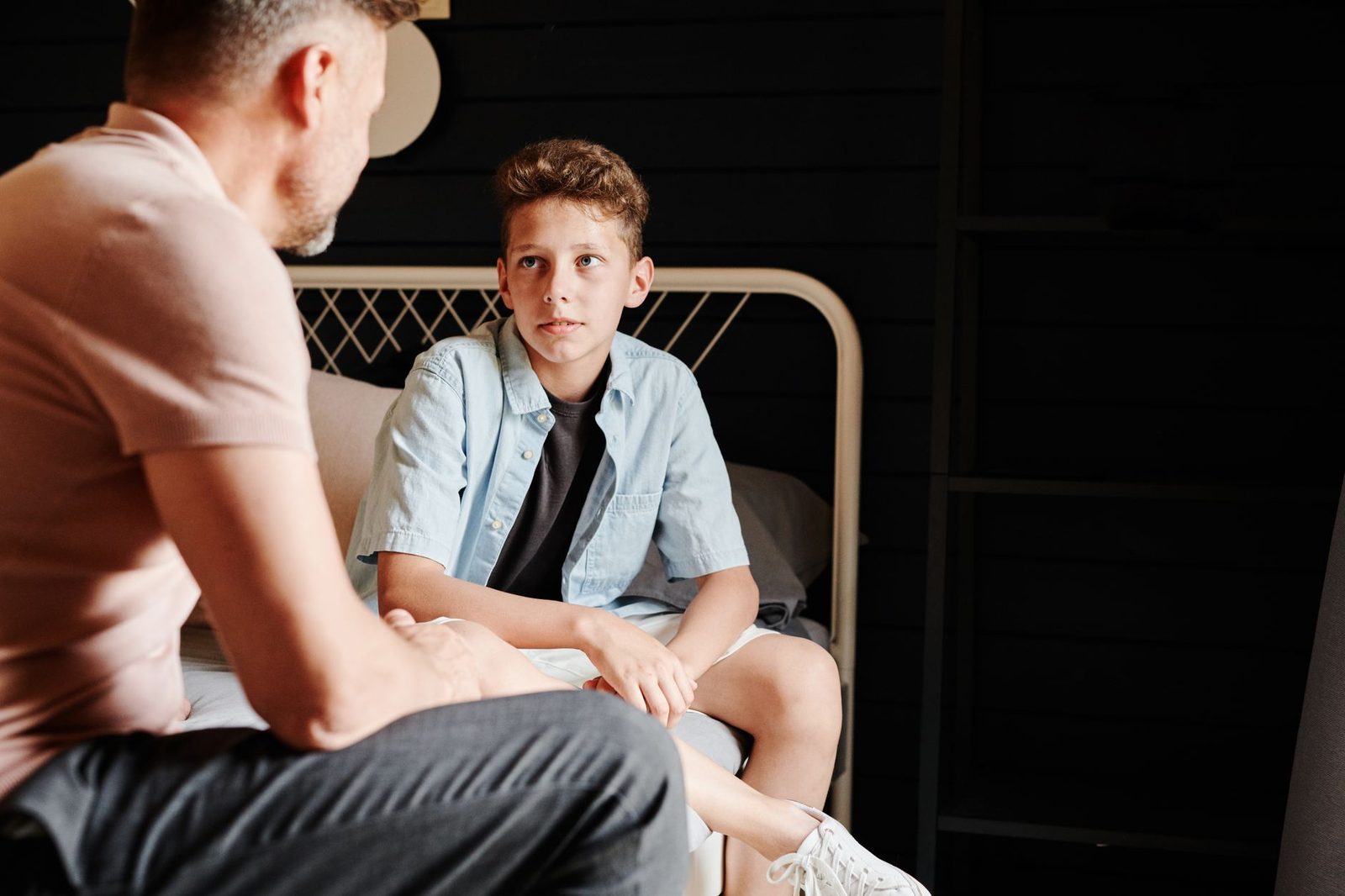
Caring for yourself is part of the plan, not an extra. Parents of adult children with addiction often describe guilt, poor sleep, and constant worry. Those feelings are real, and they can wear you down.
Lean on people who can help. A counselor who works with families, a family support group, or a few trusted friends can give you a place to think and rest. Set aside time that belongs only to you.
Can a parent file a Marchman Act petition for an adult son?
Florida law lets a relative file a petition for an adult, along with a spouse, legal guardian, service provider, or an adult with direct knowledge of the impairment.
Does the clerk charge a fee to file?
No. The clerk may not charge a fee to file a petition under this section.
Does my son have the right to a lawyer?
He has the right to counsel, and the court can appoint one if he cannot afford one.
If your son has refused help and you are weighing whether a petition makes sense, Robinson Casey offers a free, confidential first consultation with no obligation to continue. Richard J. Casey III, Esq. is the responsible lawyer for this page. Robinson Casey limits its practice to Marchman Act petitions and guardianship matters. The firm serves families across South Florida, including Miami-Dade, and statewide. Your first consultation is free, confidential, and comes with no obligation to continue. To schedule it, contact us online or call (561) 849-4149.
How Robinson Casey Can Help Your Family
Marchman Act Petitions
We focus on preparing and filing Marchman Act petitions for families seeking court-ordered assessment and treatment for a loved one with substance use problems.
Guardianship Matters
Our practice covers guardianship matters in Florida, including emergency temporary, limited, plenary, and mental health guardianship.
Focused on Families
Our practice is limited to these matters, so every case we take is handled by an office that works in this area of Florida law every day.
Confidential Conversations
Your first consultation is free, confidential, and comes with no obligation to continue.
Act Carefully If Your Son Is in Immediate Danger
If your son may harm himself or someone else, or his health is at immediate risk, contact emergency services right away. Do not wait for a legal process to address an emergency.
Ways Families Approach Adult Cocaine Use
Start With a Conversation
Calm, specific conversations about what you have seen can open the door to voluntary treatment, which often works best when the person agrees to get help.
Gather Your Facts
Write down recent events, dates, and concerns. Clear details help a lawyer understand your family's situation and what options may fit.
Learn About the Marchman Act
Florida's Marchman Act allows certain family members to ask a court to review a loved one's substance use and consider court-ordered assessment and treatment.
Know Your Guardianship Options
When a loved one cannot make safe decisions for himself, guardianship matters can be an important part of protecting him and your family.