
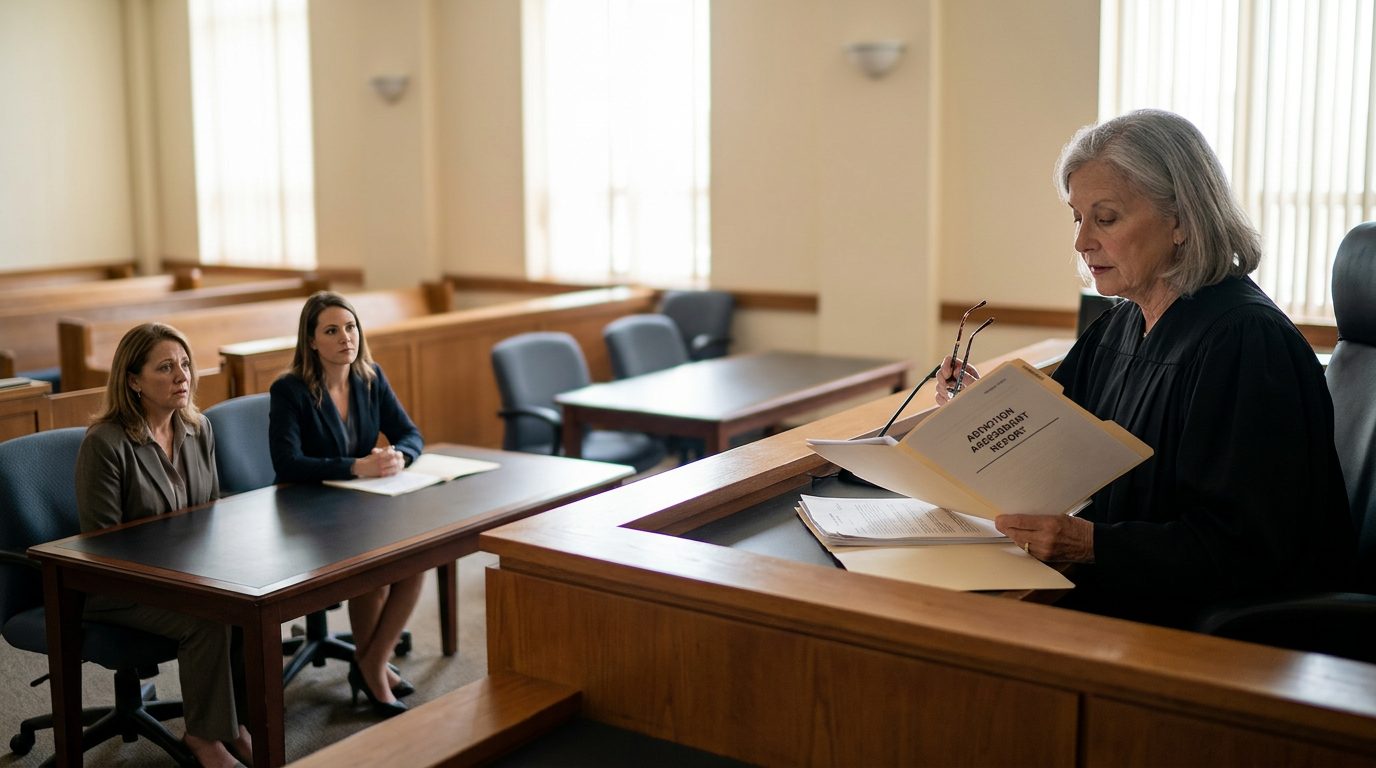
Marchman Act Guidance for Florida Parents
Involuntary Commitment for Addiction: Understanding Your Legal Options as a Parent
Robinson Casey focuses on Marchman Act petitions and guardianship matters. Learn how Florida's involuntary commitment process works and how to take the next step with a free, confidential first consultation.
By Richard J. Casey III, Esq. · Published October 16, 2026
Involuntary Commitment for Addiction: What Parents Can Do in Florida
When your adult child’s substance abuse spirals out of control, the instinct to step in and force treatment is powerful—and the helplessness when you can’t is devastating. Florida law recognizes that parents may need to act, even when their child is an adult. Under the Marchman Act (Chapter 397, Florida Statutes), whether a parent may petition a court for involuntary commitment of an adult child depends on the statute’s requirements; other requirements may apply, and the court decides. This page explains what that means, what the law requires, and what to expect if you choose to pursue this path.
If you're watching your adult child's addiction worsen and wondering whether you can legally intervene, you don't have to navigate this alone—reach out to discuss your situation and what options may be available. Talk it through with our team — the first consultation is free, confidential, and carries no obligation.
Understanding Your Role as a Parent When Your Adult Child Struggles with Addiction
The emotional reality is stark: you watch your adult child’s substance abuse destroy their health, relationships, and future. You offer help. They refuse. You feel powerless because, legally, you are—at least in the ordinary sense. An adult child is not your minor dependent. You cannot simply decide their medical care or force them into treatment the way you could when they were younger.
But Florida law does not leave you completely without recourse. Fla. Stat. § 397.68112 describes who may file a petition for involuntary treatment services and distinguishes between adult and minor respondents. Whether a parent may petition about an adult child depends on that text and the facts, other requirements may apply, and the court decides each petition. Other requirements may apply, and the court decides.
This is not about overriding your child’s autonomy as a matter of parental preference. It is about using the court system when addiction has created a genuine threat to their health or safety—when they have lost the power to control their substance use and their judgment is so impaired that they cannot make safe decisions for themselves.
The distinction matters. You are not seeking to punish or control your child. You are asking the court to intervene with treatment because the addiction itself has become the problem.
What Involuntary Commitment for Addiction Actually Means
Involuntary commitment for substance abuse is a court order requiring a person to enter treatment without their consent. It is not jail. It is not punishment. It is a medical intervention authorized by law when a person’s substance abuse poses a threat they cannot or will not address on their own.
The key phrase is “lost the power of self-control.” This is not casual use or occasional poor judgment. It is a pattern of substance abuse so severe that the person cannot stop, even when the consequences mount. The court also looks at whether the person’s judgment is so compromised that they cannot recognize the danger they face.
Involuntary commitment differs sharply from voluntary admission. When someone enters treatment voluntarily, they can leave.
The court retains oversight throughout. Your child has rights during commitment, including the right to legal representation and the right to challenge the order.
The Marchman Act: Florida’s Legal Tool for Parents
The Marchman Act exists precisely because addiction often destroys a person’s ability to seek help. It recognizes that sometimes the only way to interrupt a cycle of substance abuse is through court intervention—and that family members, particularly parents, often see the crisis before anyone else.
It does not give you power to make all their medical or financial decisions. It is narrowly tailored: it allows you to petition a court to order involuntary admission to a substance abuse treatment facility.
Who can petition? Chapter 397, Florida Statutes (the Marchman Act), sets out who may file a petition; other requirements may apply, and the court decides whether a petitioner qualifies. Whether a parent has standing when a child is an adult, and whether the child’s permission is needed to file, are matters governed by Chapter 397, Florida Statutes; other requirements may apply, and the court decides.
What must you prove? You must present evidence—not suspicion or concern, but actual evidence—that your child meets the statutory criteria. The statute sets out criteria that a petition must address; other requirements may apply, and the court decides based on the evidence and its discretion.
- Good-faith reason to believe your child has a substance use disorder
- Evidence that your child has lost the power of self-control over substance use
- Evidence that your child either needs services and has impaired judgment, or poses a risk of harm to themselves or others
“Risk of harm” can include physical danger (overdose, accidents), health deterioration (malnutrition, untreated infections, organ damage), or behavioral patterns showing imminent danger.
The duration, evidentiary standard, and hearing requirements for an extended involuntary admission order are set by Chapter 397, Florida Statutes; other requirements may apply, and the court decides based on the evidence and its discretion.
Can You Actually Petition for Your Adult Child? Your Legal Standing
Whether Chapter 397, Florida Statutes, permits a parent to petition for involuntary commitment of an adult child depends on the statute’s text; other requirements may apply, and the court decides. Your child’s age alone does not bar you from filing.
But standing is not the same as winning. You must present evidence, not emotion. Courts receive many Marchman Act petitions. Some are granted; others are denied. The difference lies in what you can demonstrate.
Courts ask: What specific incidents show loss of self-control? Has your child been arrested for drug-related offenses? Has their health deteriorated visibly? Are they unable to maintain employment, housing, or basic hygiene? Have they overdosed or come close? Have they been hospitalized for substance-related complications?
These concrete facts matter far more than your statement that your child “has a problem” or “refuses help.” A judge needs to see the pattern and the danger.
“Threat to health or safety” is not abstract. It means your child is in genuine peril. Examples include:
- Repeated overdoses or near-overdoses
- Severe physical health decline (weight loss, infections, organ damage)
- Suicidal statements or behavior linked to substance use
- Violent behavior or threats under the influence
- Complete inability to care for themselves (no food, shelter, hygiene)
- Driving under the influence repeatedly
Courts are less likely to grant a petition when:
- Your child has never overdosed or been hospitalized
- They are employed and maintaining housing
- Their substance use, while problematic, has not created acute danger
- They have refused treatment but are otherwise stable
- The petition appears driven primarily by family conflict rather than imminent harm
The burden is on you to show that the danger is real and immediate enough to justify court intervention.
The Marchman Act Process: What Happens Step by Step
Filing the petition. You file a written petition in the circuit court in the county where your child lives (or where they can be found). The petition must state your relationship to your child, describe the substance abuse, explain why you believe they meet the criteria, and request the type of order you seek (emergency, temporary, or extended).
You will need to provide specific facts: dates of incidents, names of facilities where your child was treated, documented overdoses, arrests, hospitalizations, or other evidence. Vague allegations will not suffice.
Under Chapter 397, Florida Statutes, the duration of an emergency order and the facility’s authority to admit and detain the person are set by the statute’s text, and the court decides based on the evidence and its discretion.
An ex parte order is temporary and provisional. It allows the facility to take your child into custody and begin stabilization.
The hearing. At the hearing, you will testify about the substance abuse, the incidents you witnessed, and why you believe your child poses a threat. You may bring documents (medical records, arrest reports, witness statements). Your child will be present and represented by an attorney. They have the right to cross-examine you and present their own evidence.
The judge will decide whether the evidence meets the legal standard.
Your role as petitioner. You are the person asking the court to act. You must be prepared to explain what you have observed, when, and why you believe your child is in danger. You may be questioned about your motives, your relationship with your child, and whether you have explored other options.
Be honest. If the judge senses you are exaggerating or pursuing this out of anger rather than genuine concern for your child’s safety, the petition may be denied.
Timeline. Timing for emergency orders and temporary order hearings is set by Chapter 397, Florida Statutes, and depends on the court’s schedule and discretion. An extended order hearing may take longer and involves more formal procedures. The entire process, from petition to final order, can take days to weeks.
Possible outcomes. The court may grant your petition and issue an order, deny it, or grant a more limited order than you requested. If granted, your child is admitted to a licensed facility. If denied, your child is released (if they were detained under an emergency order) and you must decide whether to refile or pursue other options.
Not sure what your next step is?
Talk it through with our team — the first consultation is free, confidential, and carries no obligation.
What You Need to Know Before Petitioning
Gathering evidence. Before you file, collect documentation. Medical records showing treatment or overdose. Police reports or arrest records. Statements from others who have witnessed the substance abuse. Photographs or videos (if safe and legal to obtain). Hospital discharge summaries. Any communications (texts, emails) showing your child’s substance use or impaired judgment.
Do not rely on memory alone. Courts want documents.
Involuntary commitment is not punishment. Reframe this in your mind. You are not “turning against” your child or “having them locked up.” You are asking the court to order medical treatment because addiction has become a medical crisis. Treatment facilities are not prisons. Your child will receive care, counseling, and medication if needed.
The emotional impact. Your child may feel betrayed. They may blame you. This is a real consequence. Some relationships recover; some do not. You must be prepared for anger and estrangement, at least initially. Some parents find that once their child completes treatment and gains clarity, they understand why the parent acted.
What happens after the order. If the court grants your petition, your child enters treatment. You do not automatically regain control of their life. The treatment facility manages the day-to-day. You may have limited contact, depending on the facility’s rules and your child’s preferences.
After the order expires, your child may continue treatment voluntarily, or they may leave. You cannot force them to stay.
Costs. Treatment is not free. If your child has insurance, it may cover some or all costs. If not, you may face bills. Some facilities work with uninsured patients. The court does not typically order insurance companies or third parties to pay; the burden usually falls on the family or the patient.
When Involuntary Commitment May Not Be the Right Path
Involuntary commitment is a powerful tool, but it is not always the right one. If your child has never overdosed, is employed, is maintaining housing, and is simply refusing help, a court may not find the danger acute enough to justify an order. In that case, other approaches may be more effective:
Voluntary treatment. Many people enter treatment voluntarily when they hit bottom or when family pressure mounts. Offering to pay for treatment, setting firm boundaries, or staging an intervention may succeed where force would not.
Family counseling. If the addiction is entangled with family dynamics, therapy may help. A therapist can also help you set healthy boundaries and avoid enabling behavior.
Recognizing limits. The court can order your child into treatment, but it cannot force them to engage, to be honest, or to change. Treatment works only when the person is willing to participate. If your child is determined to resist, even an involuntary order may not lead to recovery.
Sometimes the hardest thing a parent can do is accept that they cannot force their child to get well. All you can do is set boundaries, protect yourself, and remain open to your child’s recovery if they choose it.
Next Steps: Getting Guidance for Your Situation
If you believe your adult child meets the criteria for involuntary commitment under the Marchman Act, do not navigate this alone. The law is specific, the process has strict timelines, and the stakes are high.
An attorney who focuses on Marchman Act cases can review your child’s situation, assess whether a petition is likely to succeed, help you gather and organize evidence, and guide you through the filing and hearing process. They can also explain alternatives and help you think through the emotional and practical consequences.
A consultation can clarify whether involuntary commitment is the right tool for your child right now, what evidence you need, and what to expect. It can also help you prepare emotionally for what comes next—whether the court grants your petition or denies it.
If you are in this situation, reaching out for legal guidance is a sign of strength, not failure. You are trying to save your child’s life. Let someone who understands the law help you do it.
Frequently Asked Questions
Can I force my adult child into treatment for addiction in Florida?
Under the Marchman Act, you can petition a court to order involuntary commitment if you can prove your child has lost self-control over substance use and poses a threat to their health or safety. The court decides whether to grant the order, not you.
What is the difference between emergency, temporary, and extended involuntary admission?
The terms of an emergency order, including its duration and whether a hearing is held before it issues, are set by Chapter 397, Florida Statutes, and the court decides based on its discretion and the circumstances. The duration and evidentiary standard for an extended order are set by Chapter 397, Florida Statutes; other requirements may apply, and the court decides based on the evidence and its discretion.
Do I need a lawyer to file a Marchman Act petition?
Whether to hire a lawyer is your decision to make. An attorney can explain the petition process, help you understand the legal requirements that may apply, and represent you at the hearing if you choose to retain counsel.
Will involuntary commitment damage my relationship with my child?
It may, at least initially. Your child may feel angry or betrayed. However, some relationships recover once your child completes treatment and gains perspective. Others do not. This is a real risk you must weigh against the danger your child faces.
Who pays for treatment under a Marchman Act order?
Insurance may cover some costs. If your child is uninsured, you may face bills, or the facility may work with you on payment. The court does not typically order third parties to pay.
If your adult child’s addiction is escalating and you’re unsure whether you have the legal right to intervene, or if you’ve decided that involuntary commitment may be necessary and need help preparing a petition, contact Robinson & Casey to discuss your situation with an attorney who focuses on Marchman Act cases. You don’t have to make this decision or navigate this process alone.
How Robinson Casey Can Help
Marchman Act Petitions
Guidance on preparing and filing a petition for involuntary assessment, stabilization, or treatment under Florida's Marchman Act.
Guardianship Matters
Support with emergency temporary, plenary, limited, and mental health guardianship matters for families across Florida.
Confidential First Consultation
A free, confidential first consultation with no obligation to continue, so you can understand your options before deciding anything.
Important: The Court Decides
A Marchman Act petition asks a judge to make decisions about treatment. The court decides whether to grant any order based on the evidence and the circumstances of each case.
Common Questions Parents Ask
What are the stages of involuntary admission?
Timing and placement depend on the statute's requirements, the court's schedule, and its discretion.
What is a guardianship?
A guardianship asks a court to appoint a person to make decisions for someone who is found to be incapacitated. Florida law describes several types, including emergency temporary, plenary, and limited guardianships.
How do I begin?
Start with a free, confidential first consultation with Richard J. Casey III, Esq. Bring your questions and any relevant information so you can understand the process before deciding next steps.