
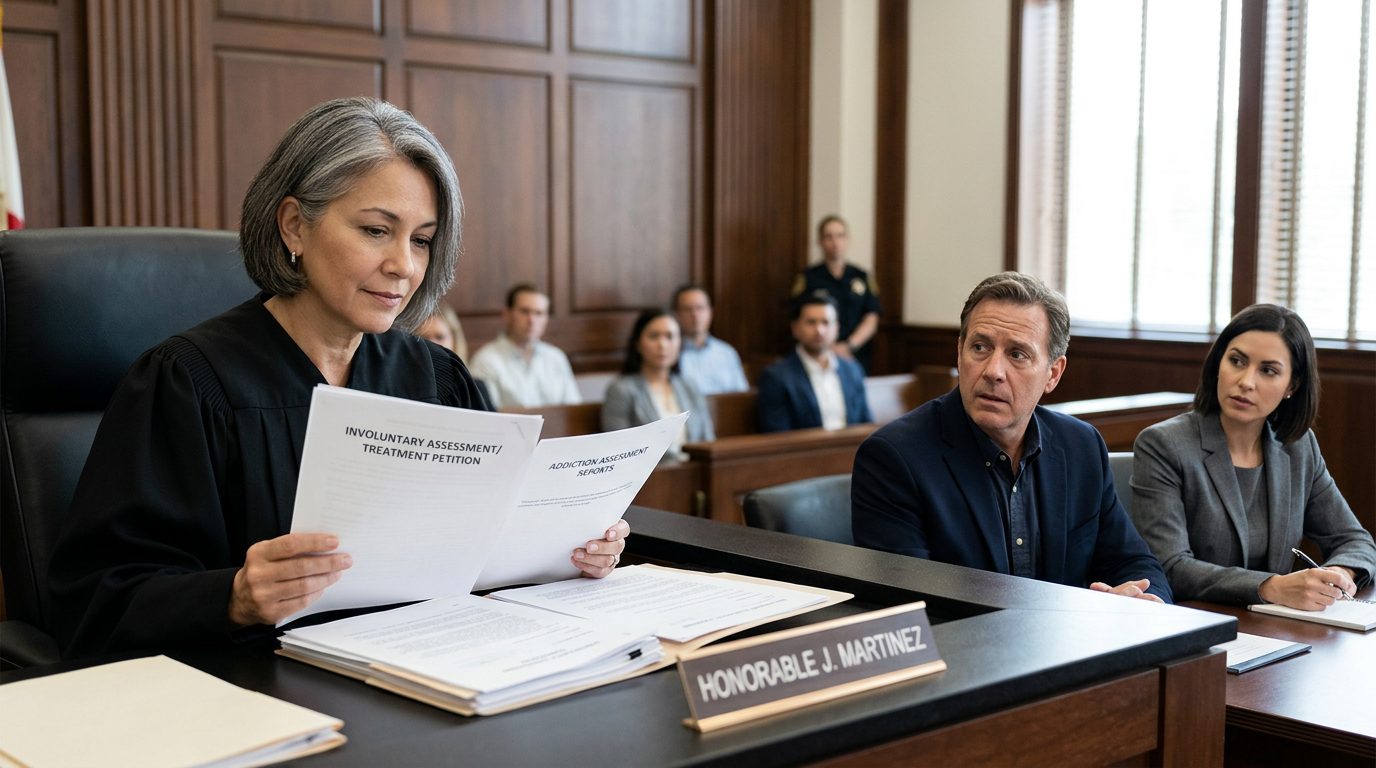
Involuntary Commitment for Addiction
Renewing an Involuntary Commitment Order in Florida
When an addiction commitment is set to expire, understanding the renewal process protects your loved one's continued care.
By Richard J. Casey III, Esq. · Published September 22, 2026
Can Involuntary Commitment for Addiction Be Renewed in Florida?
Yes—involuntary commitment orders for addiction under Florida law can be renewed, but renewal is not automatic. When a commitment order approaches its expiration date, a new petition must be filed before that date passes to extend the commitment. Renewal requires updated clinical evidence showing that grounds for continued commitment still exist, and the process follows similar procedural steps to the initial petition.
If your loved one's commitment order is approaching expiration and their condition hasn't improved, you'll want to understand your options for renewal—families in this situation can reach out to us to discuss next steps. Talk it through with our team — the first consultation is free, confidential, and carries no obligation.
Understanding Involuntary Commitment Duration in Florida
Involuntary commitment orders in Florida have defined time periods set by the court at the time of the initial order. The order specifies exactly when the commitment ends—it does not continue indefinitely. Under Florida Statutes Chapter 397, which governs the Marchman Act (Florida’s involuntary commitment law for substance abuse), the commitment period is fixed, and when that period expires, the commitment authority ends.
This is a critical distinction: the commitment does not roll forward automatically. If circumstances change during the commitment period—whether the person’s condition improves, worsens, or remains unchanged—the court’s authority to hold the individual in commitment expires on the date specified in the original order. At that point, a family member, caregiver, treatment facility, or healthcare provider must take affirmative action to file a renewal petition if continued commitment is necessary.
When Renewal or Extension of Involuntary Commitment May Be Considered
Renewal becomes relevant when the individual’s condition at the time of the commitment order’s expiration still meets the legal grounds for involuntary commitment. Common circumstances that prompt renewal include:
- Ongoing substance abuse or relapse: The person continues to use alcohol or drugs despite treatment during the commitment period.
- Incomplete treatment progress: The individual has made some progress but requires additional time in commitment to stabilize.
- Danger to self or others: Clinical assessment indicates the person remains a danger to themselves or others due to active addiction.
- Lack of sufficient improvement: While the person may have engaged in treatment, their condition has not improved enough to safely end the commitment.
- Medical or clinical findings: A current evaluation by a physician or licensed mental health professional supports the need for continued commitment.
The key is that renewal decisions must be based on the individual’s current condition and circumstances, not solely on the facts that justified the original commitment. SAMHSA (Substance Abuse and Mental Health Services Administration) emphasizes that involuntary commitment decisions must reflect present clinical assessment, not historical factors alone.
The Legal Process for Renewing an Involuntary Commitment Order
Renewing an involuntary commitment order follows a structured legal process:
1. Clinical Evaluation
Before a renewal petition can be filed, a physician or licensed mental health professional must evaluate the individual and document current clinical findings. This evaluation is the foundation of the renewal petition—it must address the person’s present mental state, substance use status, behavior during the commitment, treatment engagement, and clinical opinion on whether grounds for commitment still exist.
2. Petition Filing
A new petition for renewal must be prepared and filed with the court before the current commitment order expires. The petition presents the clinical findings and legal arguments for why continued commitment is necessary. The petition follows the same general format and procedural requirements as an initial involuntary commitment petition under the Marchman Act.
3. Court Review and Hearing
The court reviews the renewal petition. In many cases, a hearing is held where the petitioner (or their attorney) presents evidence and the individual may respond. The judge determines whether the grounds for continued commitment still exist under Florida law.
4. Court Order
If the court finds that grounds for renewal exist, it issues a new commitment order extending the commitment for an additional period. If the court finds grounds do not exist, the commitment ends and the individual is released.
Key Differences Between Initial Commitment and Renewal
While renewal follows similar procedural steps to an initial commitment petition, important differences exist:
- Updated clinical evidence is required: The renewal petition cannot rely solely on the original evaluation. Current clinical findings specific to the present time period are essential.
- The individual may have legal representation: During renewal proceedings, the person subject to commitment may have an attorney present to contest the renewal, whereas initial commitment procedures may differ in this regard.
- Court scrutiny of changed circumstances: The court examines whether the individual’s condition has changed since the original commitment and whether circumstances still justify continued commitment.
- Renewal is not automatic: Unlike some legal statuses that renew by default, involuntary commitment renewal requires affirmative action. If no renewal petition is filed before expiration, the commitment simply ends.
Who Can Petition for Renewal
Several parties may initiate renewal of an involuntary commitment order:
- Family members: Parents, spouses, adult children, or other close relatives with a legitimate concern for the individual’s welfare.
- Designated caregivers: Individuals who have been granted authority or responsibility for the person’s care.
- Treatment facilities or healthcare providers: The facility or provider currently treating the individual may recommend and file a renewal petition.
- Attorneys: Legal counsel can prepare and file the renewal petition on behalf of a family member or authorized party.
The petitioner must have standing—a legal basis for bringing the petition—and must demonstrate a genuine concern for the individual’s welfare and safety.
Not sure what your next step is?
Talk it through with our team — the first consultation is free, confidential, and carries no obligation.
Documentation and Evidence Needed for Renewal
A successful renewal petition requires comprehensive, current documentation:
- Current medical or psychiatric evaluation: A physician or licensed mental health professional’s assessment conducted shortly before the petition is filed.
- Behavior and condition during commitment: Documentation of the individual’s actions, statements, and condition while under the current commitment order.
- Treatment progress notes: Records from the treatment facility showing what treatment the person received and how they engaged with it.
- Evidence of ongoing substance abuse or relapse: Specific incidents, test results, or observations indicating continued drug or alcohol use.
- Clinical opinion on continued commitment need: The evaluating professional’s explicit statement that grounds for commitment still exist.
This documentation becomes the evidence presented to the court in support of renewal.
Timeline Considerations for Filing a Renewal Petition
Timing is critical in renewal proceedings. Petitions should be filed before the current commitment order expires. Filing too early may create procedural complications, while filing too late—or after expiration—may result in a lapse in commitment authority, meaning the individual is released before a new order can be entered.
The exact filing window depends on local court procedures and the specific expiration date of the current order. An attorney familiar with Florida’s involuntary commitment process can advise on the appropriate time to file to avoid delays or gaps in commitment authority.
What Happens if Renewal Is Not Pursued
If no renewal petition is filed before the commitment order expires, the commitment automatically ends on the expiration date. The individual is released from commitment, and no further commitment authority exists under that original order.
This does not mean the person cannot be committed again. If circumstances later warrant a new commitment, a fresh involuntary commitment petition can be filed. However, this is treated as a new initial petition, not a continuation of the previous commitment. The petitioner must meet all the procedural and evidentiary requirements for an initial petition.
The Role of Legal Counsel in Renewal Proceedings
An attorney experienced in involuntary commitment and Marchman Act matters can provide valuable guidance and representation throughout the renewal process:
- Evaluating appropriateness: An attorney can assess whether renewal is legally and factually justified based on current circumstances.
- Preparing the petition and supporting documents: Legal counsel ensures the petition complies with Florida procedural rules and includes all necessary documentation.
- Representing the petitioner in court: An attorney can present evidence, make legal arguments, and respond to challenges during the renewal hearing.
- Ensuring compliance with procedural requirements: Legal guidance helps avoid delays, dismissals, or procedural errors that could jeopardize the renewal.
Frequently Asked Questions
How long does an involuntary commitment order last in Florida?
The duration is set by the court in the original commitment order and varies by case; it is not indefinite and must be specified in the order.
What happens if I file a renewal petition too early or too late?
Filing too early may create procedural issues; filing too late or after expiration may result in a lapse in commitment authority and release of the individual.
Can the same clinical evaluator who conducted the original evaluation perform the renewal evaluation?
Yes, but the evaluation must be current and address the individual’s present condition, not rely on findings from the original evaluation.
Is renewal automatic if I file a petition?
No. The court reviews the renewal petition and grants renewal only if it finds that grounds for continued commitment still exist under Florida law.
What if the individual’s condition has improved significantly?
If clinical evidence shows substantial improvement and grounds for commitment no longer exist, the court may deny the renewal petition and release the individual.
If your loved one’s commitment order is approaching its expiration date and their condition hasn’t sufficiently improved, understanding the renewal process is essential to protecting their safety and ensuring continuity of treatment. Families navigating this decision regularly reach out to discuss whether renewal is appropriate and how to proceed. Contact Robinson & Casey to discuss your situation and learn what options may be available.
Timing Is Critical
Involuntary commitment orders have fixed durations set by the court. Filing a renewal petition too early may create procedural delays; filing after the order expires may interrupt treatment and require starting the process over. Know your expiration date and plan ahead.
The Renewal Process
Verify the Expiration Date
Review the original commitment order to confirm when the court-ordered commitment ends. This date determines your filing window and next steps.
Gather Current Medical Documentation
Obtain recent evaluations and treatment records from the facility or treating physician showing that continued commitment remains necessary.
File the Renewal Petition
Submit a renewal petition to the court before expiration. The petition must include supporting medical evidence and a clear statement of why ongoing commitment is warranted.
Attend the Hearing
Present your case to the judge. The court will review the evidence and decide whether to extend the commitment or modify its terms.
Why Robinson & Casey Handles Renewal Petitions
Focused on Marchman Act and Guardianship Matters
We focus exclusively on involuntary commitment for addiction and related guardianship matters in Florida. Renewal petitions are part of our core practice.
Deadline Management
We track expiration dates and file renewal petitions on time, avoiding procedural gaps that could interrupt your loved one's treatment.
Court-Ready Documentation
We prepare petitions with the medical evidence and legal arguments the court requires to approve renewal or modification of the commitment.
Direct Communication
We work directly with you, the treatment facility, and the court to ensure your renewal petition is heard and decided promptly.
Common Renewal Questions
How long does a commitment order last?
The duration is set by the court in the original commitment order and varies by case. It is not indefinite and must be specified in the order.
Can a commitment be renewed more than once?
Yes. If continued commitment remains medically necessary, the court may renew the order. Each renewal requires a new petition and supporting evidence.
What if the person improves during the commitment?
If your loved one makes significant progress, the court may modify or terminate the commitment. We can advise on the best path forward based on current circumstances.
What happens if the order expires without renewal?
The commitment ends automatically. If treatment must continue, a new petition may be necessary, which can delay care and require restarting the legal process.
Ready to Renew Your Loved One's Commitment?
Related practice areas
- Involuntary Commitment for Addiction in Florida
- Involuntary Commitment for Addiction and Guardianship in Florida
- What Happens After Involuntary Commitment for Addiction in Florida?