
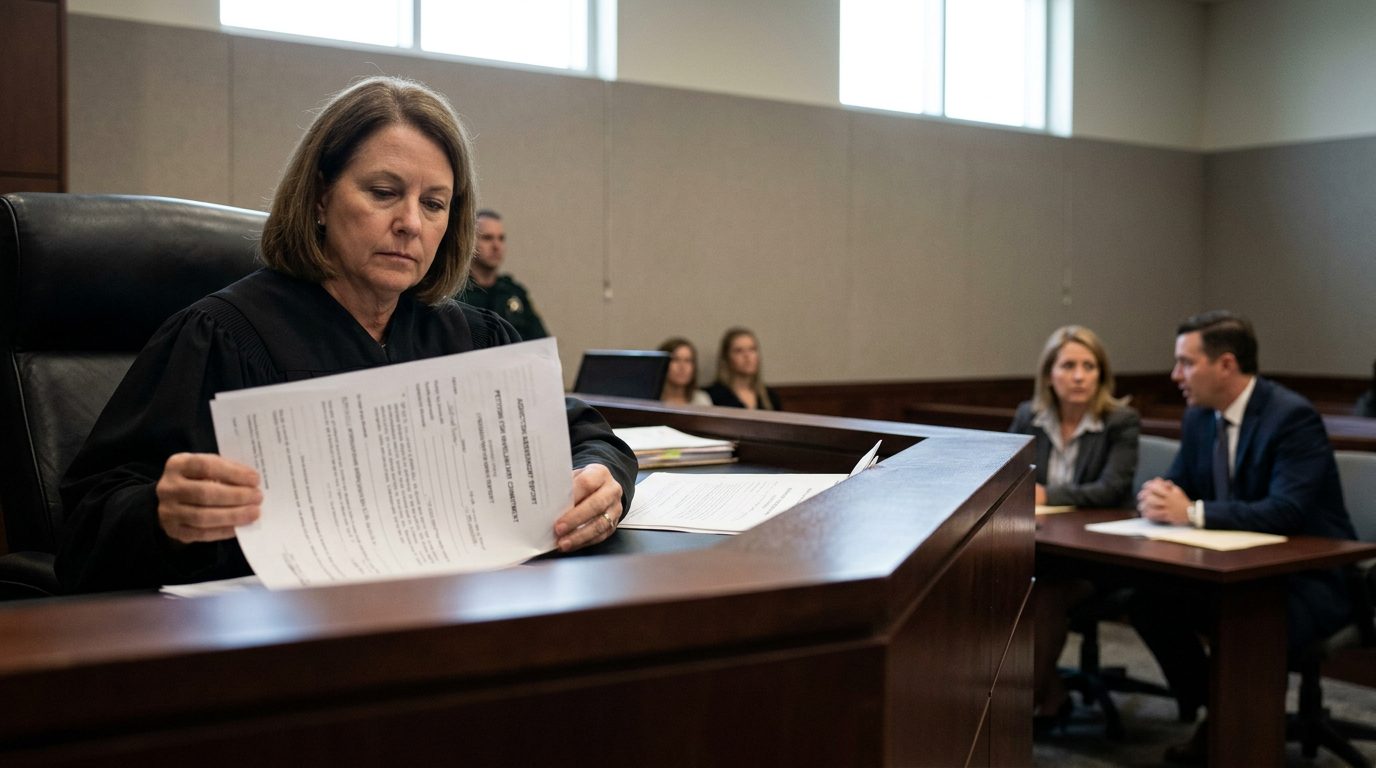
Teenager Drug Use & Involuntary Treatment in Florida
By Richard J. Casey III, Esq. · Published October 12, 2026
Florida parents and guardians often ask whether a court can order treatment for a teen’s drug use. Families worried about a young person’s substance use may find that more than one area of Florida law could be relevant to their situation. This page explains teenager drug use involuntary treatment Florida questions in general terms. It is general information, not legal advice, and other requirements may apply.
Why the Question of Which Law Applies Comes First
The first step is figuring out which Florida law fits your teen’s situation, and that depends on the facts. If you are worried about your child’s drug use, you may feel stuck. You may fear for safety at home and not know who can act.
Florida does not use one law for every minor with a drug problem. Under Florida law, an addictions receiving facility may admit a minor for involuntary assessment and stabilization. This page does not set out the rules of those chapters in detail.
Keeping a simple written record of incidents, dates, and prior treatment attempts can help you describe the facts clearly. Which legal process fits a particular family’s circumstances depends on the facts of each case.
How the Marchman Act Applies to Minors
Under Florida law, an addictions receiving facility may admit a minor for involuntary assessment and stabilization upon the filing of an application to the facility by the minor’s parent, guardian, or legal custodian. Under Fla. Stat. § 397.6798, an addictions receiving facility may admit a minor for involuntary assessment and stabilization after an application from the parent, guardian, or legal custodian. According to Fla. Stat. § 397.6798, the application must establish the need for involuntary assessment and stabilization based on the criteria for involuntary admission in section 397.675.
The application must also name the minor and the applicant, and state the relationship between them. It needs factual allegations about impairment, loss of self-control, and either a risk of harm or impaired judgment about the need for services.
For a petition, Fla. Stat. § 397.68112 says that if the respondent is a minor, a parent, legal guardian, or service provider may file. Other requirements may apply, and the court decides.
Timing comes from the statute’s text, and it depends on the provider and the court. Florida’s Marchman Act includes provisions on assessing a minor after an involuntary admission, and how they apply depends on the statute’s current text, the circumstances of the case, and the court. The statute also addresses whether a minor may remain longer if the attending physician finds more services are needed. Any continued stay depends on the statute’s requirements, the facts of the case, and the court’s discretion.
When Juvenile Laws May Apply Instead
Chapter 985 covers delinquency, which applies when a minor is charged with an offense.
These chapters have their own rules, and this page does not describe them. The juvenile court handles those matters, and it decides the process.
Fla. Stat. § 397.706 says the court may require juvenile offenders and their families to take part in substance abuse assessment and treatment under Chapter 984 or 985. The statute says the court may use its contempt powers to enforce those orders.
A single situation can touch more than one framework. The court decides which process applies.
What a Florida Court Must Find Before Ordering Treatment
A court may order involuntary treatment only after the statutory conditions are proved.
The criteria in Fla. Stat. § 397.675 include a good faith reason to believe the person is substance abuse impaired. They also include a loss of self-control because of that impairment. The statute adds more conditions, including impaired judgment about the need for services, or a real and present threat of substantial harm.
This summary is not complete. The statute sets out several required findings, and other requirements may apply.
The petition itself must include facts, not just conclusions. Under Fla. Stat. § 397.68141, it must give the reasons the petitioner believes the criteria are met. A professional’s report may accompany the petition, but no finding is automatic.
Who May File and How a Petition Moves Through the Court
A petition is filed with the clerk in the county where the person is located. Fla. Stat. § 397.681 says the clerk may not charge a fee for filing the petition. Where a petition is filed can raise venue questions, and how those questions are resolved is up to the court based on the circumstances of the case.
Fla. Stat. § 397.68151 says the court shall schedule a hearing within 10 court working days unless a continuance is granted. The court’s calendar controls the actual date.
At the hearing, Fla. Stat. § 397.6957 says the court hears relevant evidence, including family testimony. Testimony must be under oath, and the respondent may refuse to testify.
What Court-Ordered Treatment Can and Cannot Do
Any outcome depends on the court’s decision and the circumstances of each case. Under Fla. Stat. § 397.697, the statute states that a treatment order may last no more than 90 days. A renewal may be requested before that period ends.
In an emergency, the court may act on the petition alone. Fla. Stat. § 397.6818 says the court may enter an ex parte order for assessment and stabilization without appointing an attorney, and that the order must be executed while the hearing is pending.
The respondent has a right to counsel under Fla. Stat. § 397.681. For a minor who is not represented, the statute says the court shall immediately appoint a guardian ad litem. Florida’s Marchman Act includes provisions addressing the rights of the person who is the subject of a petition, including the right to counsel (section 397.501, Florida Statutes). Other requirements may apply, and the court decides how they apply in each case.
Whether any order is entered, and what it contains, depends on the evidence and the court’s discretion.

Talk With a Florida Law Firm About a Teen’s Situation
If your teen’s drug use has created a safety concern at home, you may be trying to decide which legal process fits. Robinson & Casey limits its practice to Marchman Act petitions and guardianship matters. You can contact Robinson Casey to talk through the facts of your situation.
Can a parent start the process for a minor in Florida? The statutes name parents, guardians, and legal custodians as possible applicants or petitioners, but other requirements may apply and the court decides.
Which county handles the petition? Under Florida law, involuntary treatment petitions for substance abuse impaired persons must be filed with the clerk of the court in the county where the person is located.
Does a minor get a lawyer? An unrepresented minor is entitled to a guardian ad litem appointment, and the court decides other representation questions.
Does this page replace legal advice? No. It is general information about Florida law and does not predict any outcome.