
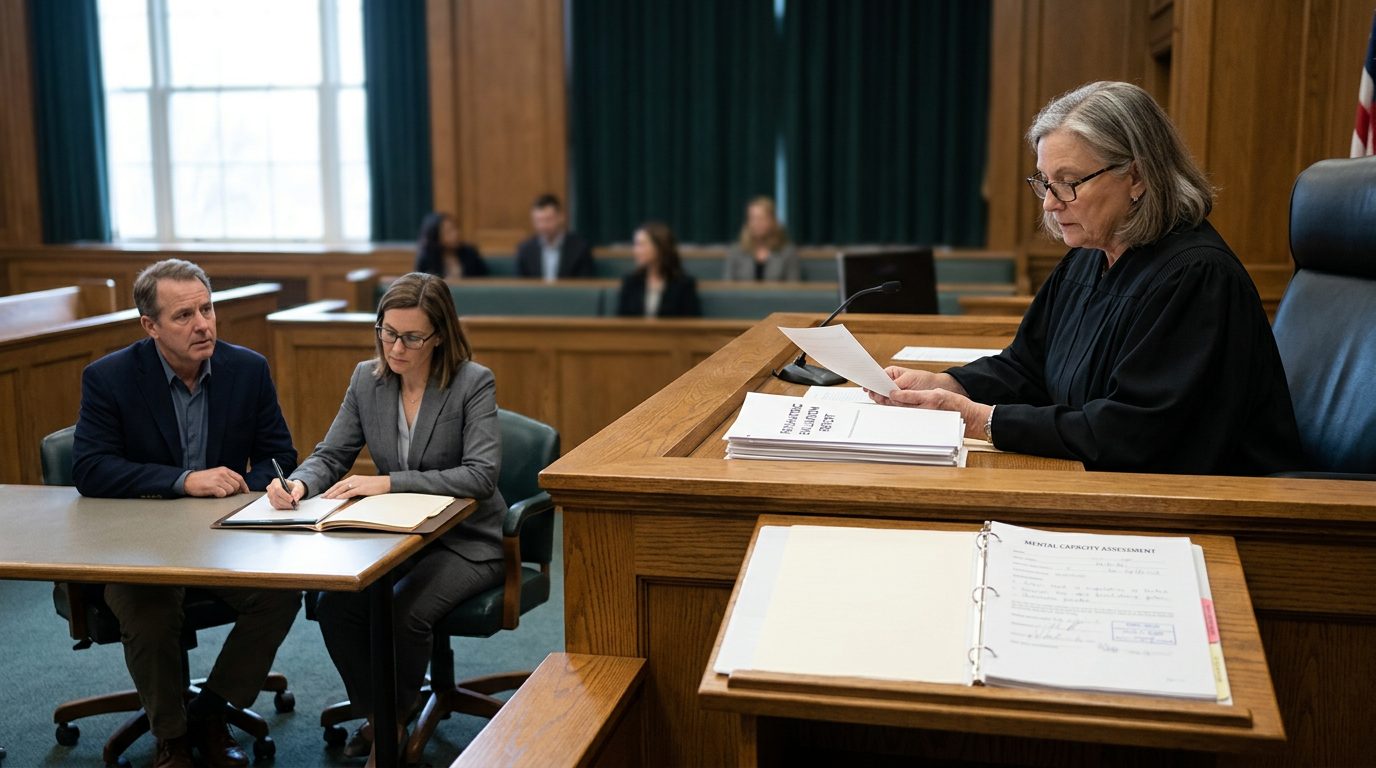
Involuntary Commitment for Addiction
What Happens During an Involuntary Psychiatric Hold
Understanding the process, your rights, and next steps when someone is placed on an involuntary hold in Florida.
By Richard J. Casey III, Esq. · Published October 01, 2026
What Happens During an Involuntary Psychiatric Hold in Florida
An involuntary psychiatric hold is an emergency legal process that allows authorities to detain someone at a hospital or psychiatric facility when they’re deemed a danger to themselves, others, or are gravely disabled and unable to care for basic needs. The hold is temporary—typically lasting 72 hours in Florida—and is designed to allow medical professionals to evaluate the person and determine whether continued treatment or commitment is necessary.
If you’re in the middle of this situation or trying to understand what your family member is experiencing right now, this page walks through what actually happens, step by step.
If your family is navigating an involuntary psychiatric hold or facing questions about longer-term mental health commitment in Florida, reach out to discuss your situation—people in this position contact us regularly. Talk it through with our team — the first consultation is free, confidential, and carries no obligation.
What happens during an involuntary psychiatric hold?
The involuntary hold begins when law enforcement, emergency medical personnel, or an authorized mental health professional determines that someone meets the legal criteria for emergency detention. Someone calls 911, or a crisis team is dispatched. Officers or paramedics arrive, assess the person’s immediate safety, and transport them to a designated receiving facility—usually a hospital emergency department or psychiatric unit.
Once at the facility, the person is admitted for evaluation. They’re not free to leave. Medical staff—physicians, nurses, and mental health professionals—conduct assessments to understand what’s happening, what triggered the crisis, and what treatment might be needed. The facility documents everything in a medical record. During this time, the person may be placed on observation, given medications if medically necessary, and kept in a secure environment.
The evaluation period typically lasts 72 hours. This isn’t a fixed deadline—it’s the window during which the facility must make a decision about what comes next. The person is informed of their rights, though the specifics depend on facility policy and Florida law.
The initial assessment and evaluation
When your family member arrives at the facility, the first hours are focused on stabilization and information gathering. A physician or psychiatrist conducts a mental health evaluation. They ask about the person’s medical history, current medications, substance use, recent stressors, and the specific events that led to the hold.
Mental health professionals assess whether the person is a danger to themselves or others, or whether they’re so impaired they can’t meet basic needs like food, shelter, or hygiene. This assessment is the foundation for everything that follows.
During this time, the person may be sedated, restrained, or placed on suicide watch depending on the immediate risk. These are clinical decisions made in real time. Family members may or may not be present—it depends on facility policy, the person’s wishes, and whether the situation is stable enough for visitors.
The evaluation determines one of three outcomes: the person is released, the person is held for continued observation, or the facility pursues involuntary commitment through the courts.
Do involuntary psych holds go on your record?
Yes, an involuntary psychiatric hold creates a medical record at the facility. This is important to understand: it’s a medical record, not a criminal record. These are two different things.
The hold will appear in your family member’s medical history. Depending on the type of background check and Florida law, it may surface in certain employment screenings, professional license applications, or housing checks. Some employers and licensing boards require disclosure of psychiatric hospitalizations.
However, not every background check uncovers a psychiatric hold. Many routine employment checks don’t. The specifics depend on what’s being checked and why. If your family member is concerned about the long-term record implications—especially if they work in healthcare, law enforcement, education, or a field requiring licensure—that’s a question worth discussing with a lawyer who understands Florida law and your family’s specific circumstances.
Can you visit someone on a psychiatric hold?
Visitation policies vary widely by facility. Some hospitals restrict all visitors during the initial 72-hour evaluation period. Others allow immediate family contact once the person is stabilized. A few facilities have no-visitor policies during the hold itself.
The best way to find out is to call the facility directly and ask. When you do, have your family member’s name and the date and time they arrived. Ask specifically about visiting hours, any restrictions, and whether you can speak to a staff member about the person’s condition.
In some cases, family involvement during the evaluation is actually helpful—staff may want to understand the person’s history and what led to the crisis. In others, the facility keeps the focus on medical assessment. Either way, you have a right to information about your family member’s safety and status, even if you can’t be physically present.
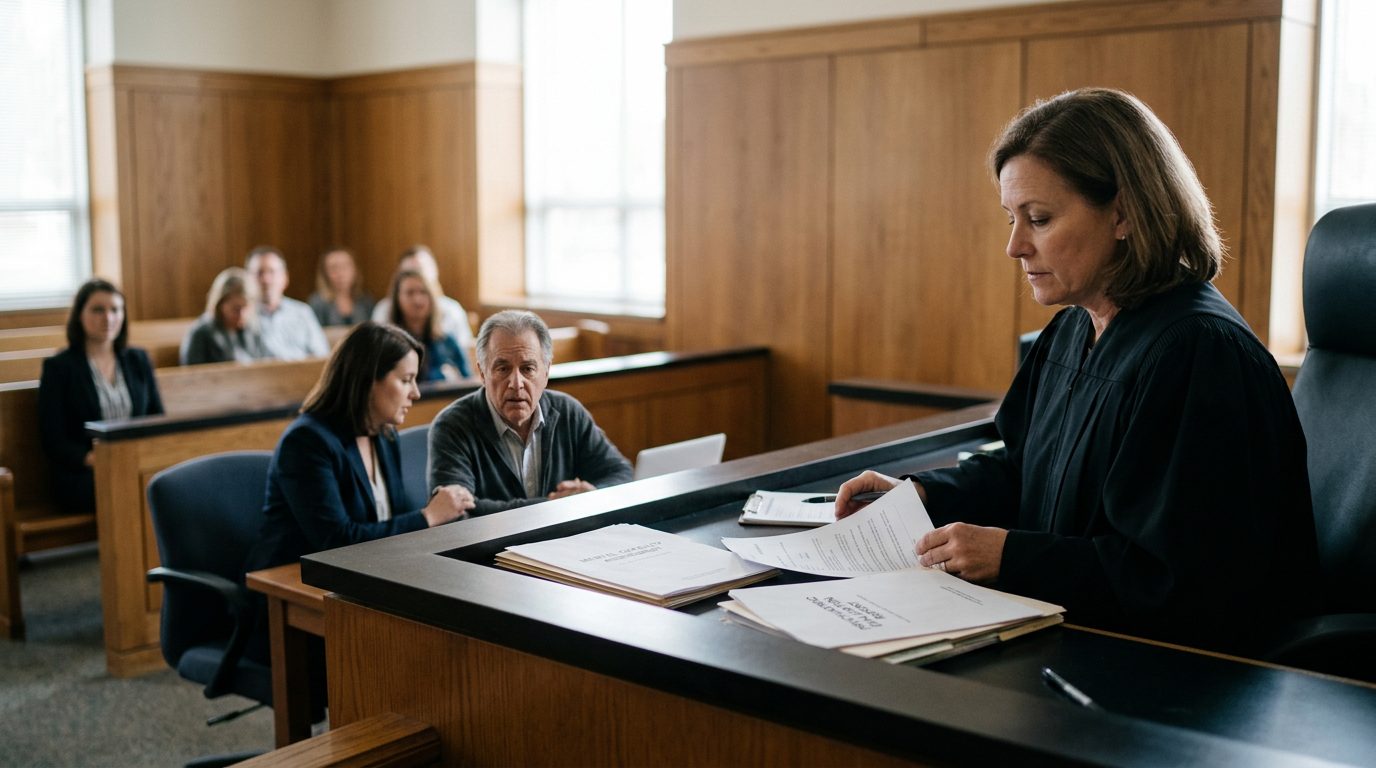
How does an involuntary hold affect your life?
The immediate effects are real: loss of freedom of movement, forced medical intervention, separation from work or family responsibilities, and the stress of being in a psychiatric facility against your will.
Longer-term effects depend on what happens after the evaluation. If the person is released after 72 hours, the impact may be limited to the medical record itself. If the facility pursues formal involuntary commitment through the courts, the consequences can be more significant.
An involuntary commitment can affect employment, especially if the job requires a security clearance or involves working with vulnerable populations. It may complicate housing applications or insurance eligibility. Professional licenses in healthcare, law, or education may require disclosure. Some employers won’t hire someone with a psychiatric hold on their record; others won’t care.
The person’s rights during the hold are also affected. They can’t make medical decisions independently. They can’t leave. They can’t refuse certain treatments without legal grounds.
But not all effects are permanent. A single involuntary psychiatric hold doesn’t automatically bar someone from employment or housing. Many people move forward after a hold without lasting professional or legal consequences—it depends on the circumstances, the person’s recovery, and how the hold is disclosed.
Not sure what your next step is?
Talk it through with our team — the first consultation is free, confidential, and carries no obligation.
What happens after the initial hold period?
At the end of the 72-hour evaluation window, the facility must decide: release or continue.
If the person is released, they typically go home or to a safe environment, often with a referral for outpatient mental health treatment. The hold ends.
If the facility believes the person still meets the criteria for involuntary commitment—meaning they remain a danger or gravely disabled—the facility can pursue formal involuntary commitment through Florida’s court system. This is a different legal process. It requires a hearing, often within a specific timeframe set by Florida law. The person has the right to legal representation. A judge decides whether commitment is justified.
This is where the process can become more complex and longer-lasting. A court-ordered involuntary commitment can last weeks, months, or longer depending on the person’s progress and the type of commitment pursued.
When involuntary commitment becomes necessary
An involuntary psychiatric hold is an emergency tool. It’s designed for immediate crises—someone actively suicidal, acutely psychotic, or in acute danger.
In some situations, a 72-hour hold isn’t enough. The person needs longer-term mental health treatment, or their condition is too severe for an emergency hold to address. That’s when families and treatment providers may pursue formal involuntary commitment through the courts.
Florida law provides pathways for involuntary commitment for mental health conditions and involuntary commitment for addiction. These are distinct legal processes from the emergency hold. They require court involvement, judicial review, and ongoing legal oversight.
Understanding the difference between an emergency hold and formal involuntary commitment is crucial. One is a medical emergency response. The other is a legal process with longer-term implications.
Frequently Asked Questions
What are my rights during an involuntary psychiatric hold?
You have the right to be informed of why you’re being held, the right to medical evaluation, the right to know your rights (which staff must explain), and often the right to contact a lawyer or family member, though specific rights depend on Florida law and facility policy.
Can family members request an involuntary psychiatric hold?
Yes. Family members, law enforcement, healthcare providers, and other authorized persons can petition for an involuntary hold if they believe someone meets the legal criteria for emergency detention.
How long does an involuntary psychiatric hold last?
The initial hold typically lasts 72 hours in Florida, during which the facility must evaluate and decide whether to release the person or pursue continued commitment.
What’s the difference between an involuntary hold and involuntary commitment?
A hold is an emergency, short-term detention for evaluation. Involuntary commitment is a longer-term court-ordered process that follows if the person still meets legal criteria after the hold ends.
If you or your family member is currently in an involuntary psychiatric hold, or if you’re facing questions about whether formal involuntary commitment might be necessary, you don’t have to navigate the legal and medical decisions alone. Families in your situation reach out to Robinson & Casey regularly. Contact us to discuss what comes next.
Time Matters
An involuntary psychiatric hold is a temporary legal action. Understanding what happens during this period and what comes next is critical. If you or a family member is facing a hold, legal guidance can help protect your rights and ensure proper procedures are followed.
The Involuntary Hold Process
Initial Placement
An involuntary psychiatric hold typically begins when law enforcement, medical personnel, or a mental health professional determines that a person poses a danger to themselves or others, or is unable to care for themselves due to mental illness or substance use. The individual is transported to a designated receiving facility for evaluation.
Medical Evaluation & Rights Notice
Within a set timeframe, the person must receive a medical evaluation and be informed of the reason for the hold. Florida law requires that individuals be notified of their rights, including the right to contact an attorney or family member and the right to request a hearing to contest the hold.
Duration & Next Steps
An initial involuntary hold is temporary. Depending on the circumstances and the facility's findings, the hold may be released, extended, or lead to further legal proceedings such as a Marchman Act petition for substance use or guardianship proceedings for ongoing care and decision-making.
Legal Representation
Having an attorney during an involuntary hold can help ensure your rights are protected, explain what is happening, and advise you on options moving forward—whether that involves contesting the hold or planning for longer-term care and treatment.
Your Rights During a Hold
Right to Know Why
You must be informed of the reason for the hold and the basis for the determination that you meet the criteria for involuntary placement.
Right to Medical Evaluation
You are entitled to a prompt evaluation by qualified medical or mental health personnel to assess your condition and need for continued hold or treatment.
Right to Contact Others
You generally have the right to contact a lawyer, family member, or other person, though specific rules may apply depending on facility policy and your condition.
Right to Understand Your Rights
Staff must explain your rights to you in a way you can understand, including any right to request a hearing to challenge the hold.
Family Members & Involuntary Holds
Family members can play a role in the process—from initiating concern about a loved one's safety to staying informed during the hold and helping plan for treatment or care. However, the legal process is governed by Florida law, and understanding your options requires professional guidance.
How Robinson & Casey Can Help
Protect Your Rights
We help individuals and families understand what is happening during an involuntary hold and ensure procedures are followed correctly.
Explain Your Options
Whether you need to contest a hold, plan for ongoing care, or explore a Marchman Act petition or guardianship, we guide you through the legal landscape.
Available When You Need Us
Involuntary holds require prompt action. We respond quickly to help families navigate this urgent situation across South Florida and statewide.
Get Legal Guidance Now
Related practice areas
- Involuntary Commitment Timeline in Florida | Marchman Act
- Marchman Act Cost & Legal Fees in Florida | Robinson & Casey