
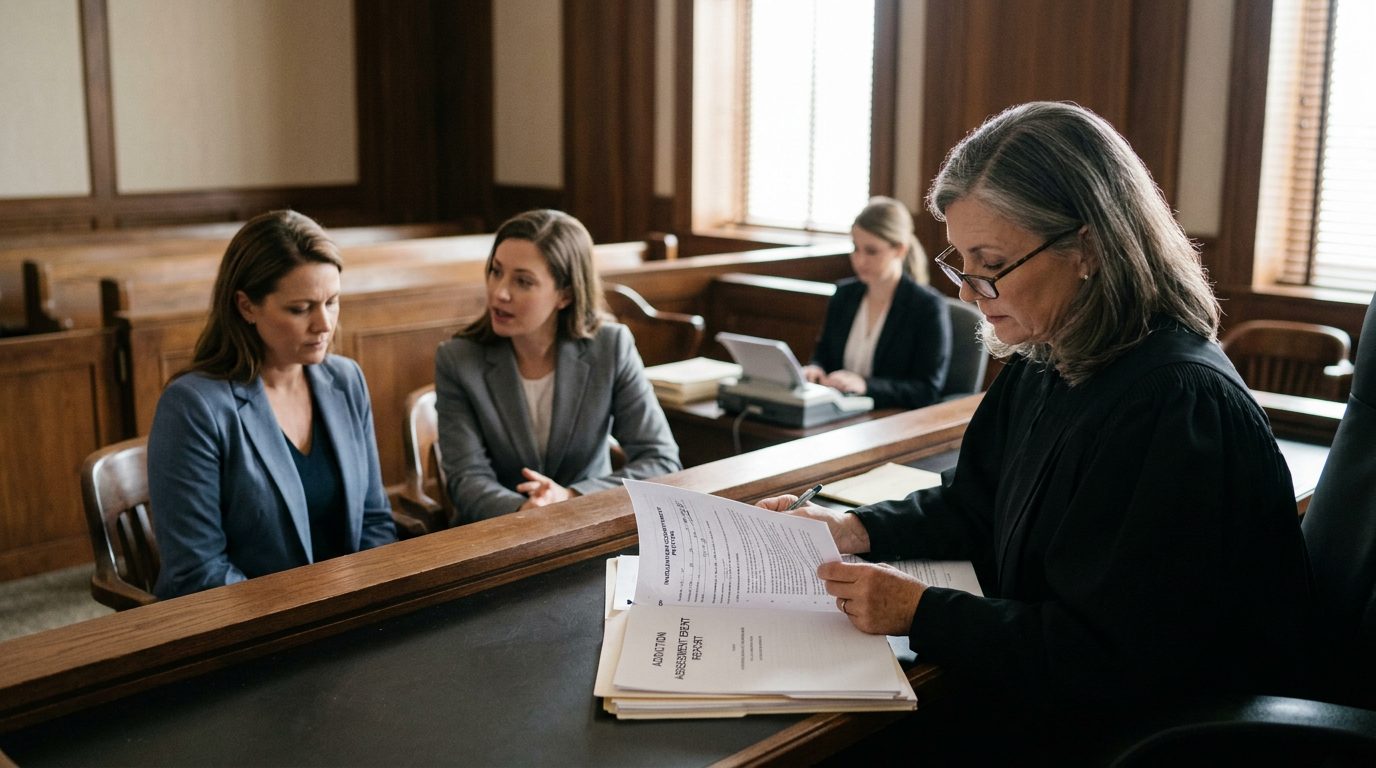
Treatment & Commitment in Florida
Voluntary vs. Involuntary Treatment in Florida
Understanding the legal pathways for addiction and mental health care—and when court intervention may be necessary.
By Richard J. Casey III, Esq. · Published October 04, 2026
What Is the Difference Between Voluntary and Involuntary Treatment?
Voluntary treatment occurs when someone consents to admission and can leave anytime; involuntary treatment is court-ordered admission without consent, based on legal grounds like danger to self, danger to others, or grave disability. Both pathways provide access to care, but the legal framework, rights, and duration differ significantly.
Not sure what your next step is?
Talk it through with our team — the first consultation is free, confidential, and carries no obligation.
Voluntary Treatment: Definition and Process
Voluntary treatment happens when an individual recognizes they need help and chooses to enter a treatment facility or mental health program. The person works with intake staff, completes an assessment, and develops a care plan with their treatment team.
A key feature of voluntary admission is choice. The individual retains the right to leave at any time, subject to standard discharge procedures. If someone wants to leave a voluntary program, they typically notify staff and follow the facility’s discharge process. Treatment may be 28 days, 90 days, or longer—whatever the person and their clinical team agree to.
Voluntary admission is often the preferred pathway when someone has insight into their condition and is willing to engage in recovery. It typically involves fewer legal steps and allows the person to maintain autonomy over their care decisions.
Involuntary Treatment: Definition and Legal Basis
Involuntary treatment is admission or required treatment without a person’s consent, authorized by law. In Florida, involuntary commitment is governed by Chapter 397 (the Marchman Act) for substance use disorders and Chapter 744 for mental health matters.
Involuntary commitment requires specific legal grounds. Florida law permits involuntary commitment when a person is mentally ill or has a substance use disorder and, because of that condition, is a danger to themselves or others, or is gravely disabled. A petition—filed by a family member, healthcare provider, law enforcement, or another authorized person—initiates the process. The petition must allege specific facts supporting these grounds. A judge or mental health professional then reviews the petition and may order the person to be evaluated and held.
The person subject to involuntary commitment has legal rights. They must be informed of the reason for commitment and have the right to legal representation. A hearing is held within a specified timeframe to determine whether involuntary commitment should continue.
Key Differences in Rights and Duration
Voluntary patients can request discharge and leave; involuntary patients are legally held and cannot leave without authorization from a judge or mental health professional.
Voluntary treatment duration is determined by the individual and their treatment team. Involuntary holds have statutory time limits. In Florida, an initial involuntary hold lasts 72 hours. If the person does not agree to voluntary admission after that period, a hearing is held. Extended involuntary commitment can last up to six months initially, with potential for renewal if legal criteria continue to be met.
Voluntary admission does not involve court or judicial review. Involuntary commitment requires judicial or mental health professional review and ongoing legal oversight.
Both pathways provide access to treatment, but the legal framework and restrictions differ significantly based on consent and legal criteria.
What Qualifies Someone to Be Involuntarily Committed
Florida law recognizes three primary grounds for involuntary commitment:
Danger to self includes active suicidal ideation, self-harm, or inability to meet basic needs due to mental illness or substance use. A person expressing intent to harm themselves or demonstrating behavior that puts their safety at risk may meet this criterion.
Danger to others includes threats, violent behavior, or actions that pose a clear risk to another person’s safety. This ground requires evidence of a direct threat or pattern of dangerous conduct.
Grave disability means the person cannot provide for food, clothing, shelter, or medical care due to mental illness or substance use disorder. Someone who is homeless, malnourished, or unable to care for themselves due to their condition may meet this standard.
Addiction alone can be grounds for involuntary commitment under Florida’s Marchman Act if the person meets the legal criteria for danger or grave disability. The substance use must be severe enough to create danger or incapacity.
How Long Do You Stay in Voluntary or Involuntary Treatment
Voluntary patients typically stay as long as they choose to remain engaged. Many treatment programs have standard lengths—28-day, 60-day, or 90-day programs—but the individual can extend their stay or leave earlier if they wish.
Involuntary holds in Florida begin with a 72-hour hold. During this time, the person is evaluated and may be offered the opportunity to agree to voluntary admission. If they do not agree after 72 hours, a hearing is held before a judge or mental health professional to determine whether extended commitment is warranted.
If extended commitment is ordered, it can last up to six months initially. At the end of that period, another hearing may be held to determine whether commitment should continue. The length of stay depends on the individual’s progress, clinical needs, and whether they transition to voluntary status.
Have questions about what happened?
Ask our team directly. The first conversation is free, confidential, and there is no obligation to continue.
The Role of Petitions and Legal Proceedings
Involuntary commitment begins with a petition filed by an authorized person. In Florida, family members, healthcare providers, law enforcement, and other designated individuals can file a petition alleging that the person meets the legal criteria for involuntary commitment.
The petition must state specific facts—not just general concerns. For example, a petition might describe recent suicidal statements, dangerous behavior, or inability to care for oneself.
A judge or designated mental health professional reviews the petition. If the allegations appear to have merit, an order is issued for the person to be taken into custody and evaluated. This is often called an “ex parte” order because it’s issued before the person has a chance to respond.
A hearing is held within a specified timeframe—typically within a few days. The person has the right to be represented by an attorney. At the hearing, evidence is presented, and the person can contest the allegations. The judge or mental health professional then decides whether involuntary commitment should continue.
When Might Involuntary Treatment Be Necessary
Involuntary treatment may be necessary when someone is actively suicidal or expressing intent to harm themselves and refuses voluntary help. Waiting for voluntary agreement in an acute crisis can be dangerous.
It may also be necessary when a person is abusing substances to the point of grave disability—unable to work, maintain housing, or care for themselves—and will not seek treatment voluntarily.
When an individual poses a clear danger to others due to mental illness or substance use and voluntary intervention has failed, involuntary commitment may be the only option to protect the community and connect the person to care.
Involuntary treatment is also considered when a person lacks insight into their condition and cannot recognize the need for treatment, yet meets legal criteria for commitment. In these cases, involuntary admission may be the first step toward recovery.
Understanding Your Options and Next Steps
If you believe a loved one needs treatment and is willing, voluntary admission is often the most straightforward path. It requires fewer legal steps and allows the person to maintain autonomy.
If someone refuses treatment but meets legal criteria for involuntary commitment, understanding the petition process and legal grounds is essential. Florida law provides specific procedures; consulting with an attorney familiar with these procedures can clarify your options and rights.
Both voluntary and involuntary pathways lead to treatment. The choice depends on the individual’s willingness to participate and the urgency of the situation. An attorney who handles involuntary commitment cases can help you understand whether your loved one meets the legal criteria and what steps come next.
FAQ
Can a therapist involuntarily commit someone?
A therapist cannot unilaterally commit someone, but they can file a petition for involuntary commitment if they believe the legal criteria are met; a judge or mental health professional must then authorize the commitment.
How long does a 72-hour hold last in Florida?
A 72-hour involuntary hold begins when the person is taken into custody and lasts three days; if they do not agree to voluntary admission, a hearing is held to determine whether extended commitment is warranted.
What is the Marchman Act?
The Marchman Act is Florida Chapter 397, which governs involuntary commitment for substance use disorders and allows family members and others to petition for treatment when someone meets the legal criteria for danger or grave disability.
Do I have rights during involuntary commitment?
Yes; you have the right to be informed of the reason for commitment, the right to legal representation, the right to a hearing, and the right to contest the allegations against you.
If you’re weighing whether a loved one might need involuntary commitment for addiction or mental health crisis, the legal process and your family’s options can feel overwhelming. People facing this decision reach out regularly to understand their rights and next steps. Contact us to discuss your situation.
Two Paths to Treatment
Voluntary Treatment
An individual chooses to enter a treatment program or facility on their own. They retain the right to leave at any time and maintain full control over their care decisions. This path is often the first choice when someone recognizes the need for help and is willing to seek it.
Involuntary Commitment
A court orders treatment when an individual poses a danger to themselves or others, or is unable to care for themselves due to substance abuse or mental illness. Involuntary commitment removes the person's immediate right to refuse care and is governed by Florida law.
When Voluntary Treatment Isn't Enough
If a loved one refuses help and their condition is deteriorating, involuntary commitment through the Marchman Act or mental health guardianship may be the only legal option to ensure they receive necessary care. A court petition requires clear evidence that the person meets specific legal criteria under Florida law.
Involuntary Commitment Options in Florida
Marchman Act Petitions
Filed when someone has a substance abuse disorder and refuses treatment. The Marchman Act allows family members, medical professionals, and others to petition a court for involuntary assessment and treatment. A judge evaluates whether the person meets legal criteria for commitment.
Mental Health Guardianship
Established when an individual cannot make sound decisions about their mental health or medical care. A guardian is appointed by the court to make treatment decisions on their behalf, including decisions about psychiatric care and hospitalization.
Emergency Temporary Guardianship
A fast-track court order that grants immediate guardianship powers when someone is in acute danger or crisis. This temporary measure can be in place within days and protects the person while a full guardianship proceeding is underway.
Plenary & Limited Guardianship
Plenary guardianship grants broad decision-making authority over all aspects of a person's life. Limited guardianship restricts the guardian's powers to specific areas, such as mental health treatment, while preserving the individual's autonomy in other matters.
Want to know where you stand?
Tell us what happened and our team will walk you through the options available to you, at no cost.
Why Robinson & Casey Handles These Matters
Focused Practice
Robinson & Casey focuses exclusively on Marchman Act petitions and guardianship matters. We bring deep knowledge of Florida's involuntary commitment laws and the court processes that govern them.
South Florida & Statewide Service
We serve families across Miami-Dade, South Florida, and throughout Florida, helping you navigate involuntary commitment and guardianship proceedings wherever you are in the state.
Urgent Situations
When a crisis demands fast action, we understand the time-sensitive nature of emergency temporary guardianship and involuntary commitment petitions. We move quickly to protect your loved one.
Legal Guidance
We guide you through the petition process, explain your options, and represent your interests in court. We handle the legal complexity so you can focus on your family's wellbeing.
Ready to Explore Your Options?
Related practice areas
- Involuntary Commitment for Addiction in Florida
- File an Involuntary Commitment for Addiction Petition in Florida
- Involuntary Commitment for Addiction Hearing: What to Expect in Florida
- Can an Alcoholic Be Involuntarily Committed in Florida?