
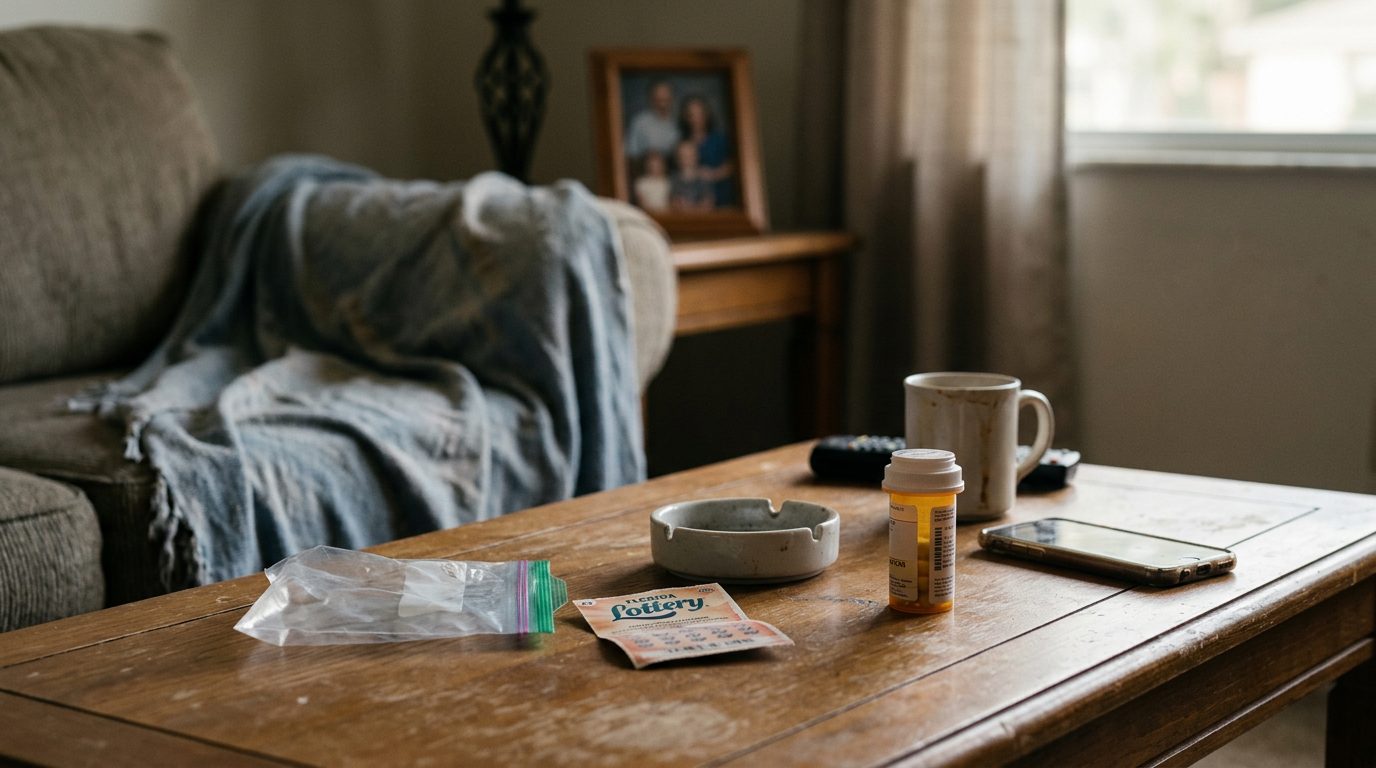
Florida Families | Marchman Act and Guardianship
Worried About a Family Member's Drug Use? Start With Safety and Clear Steps
Plain-language guidance from Robinson Casey, a Florida law firm that focuses exclusively on Marchman Act petitions and guardianship matters. Richard J. Casey III, Esq. is the responsible attorney.
By Richard J. Casey III, Esq. · Published October 17, 2026
If you’re wondering what to do when you find out a family member is using drugs, start with safety. If the person is unresponsive, struggling to breathe, or may have taken too much of something, call emergency services now. After that, write down what you have actually seen, pick a calm time to talk, and learn how Florida law handles help for people impaired by substances. This guide covers those steps in plain language. It is general information, not legal advice.
Start by Taking a Breath and Checking the Facts
The first step is to check safety, then separate facts from guesses. Most families don’t have one right first move, and that’s normal. Finding out about drug use is stressful. It can push everyone to act fast and say things they later regret.
Start with any immediate medical danger. Signs of an overdose, a person who won’t wake up, or someone who may have mixed substances needs emergency help right away. Don’t wait to see whether it passes.
Next, separate what you saw from what you heard. “I found an empty bottle on the counter” is something you observed. “A friend said he’s using again” is secondhand. Both matter, but treat them differently in your mind and in any later conversation.
Keep a simple private log. Write the date, the time, what happened, and the exact words used. A written record helps you organize your thoughts. It also keeps your account accurate when you talk with a doctor or counselor later.
Not sure what your next step is?
Talk it through with our team — the first consultation is free, confidential, and carries no obligation.
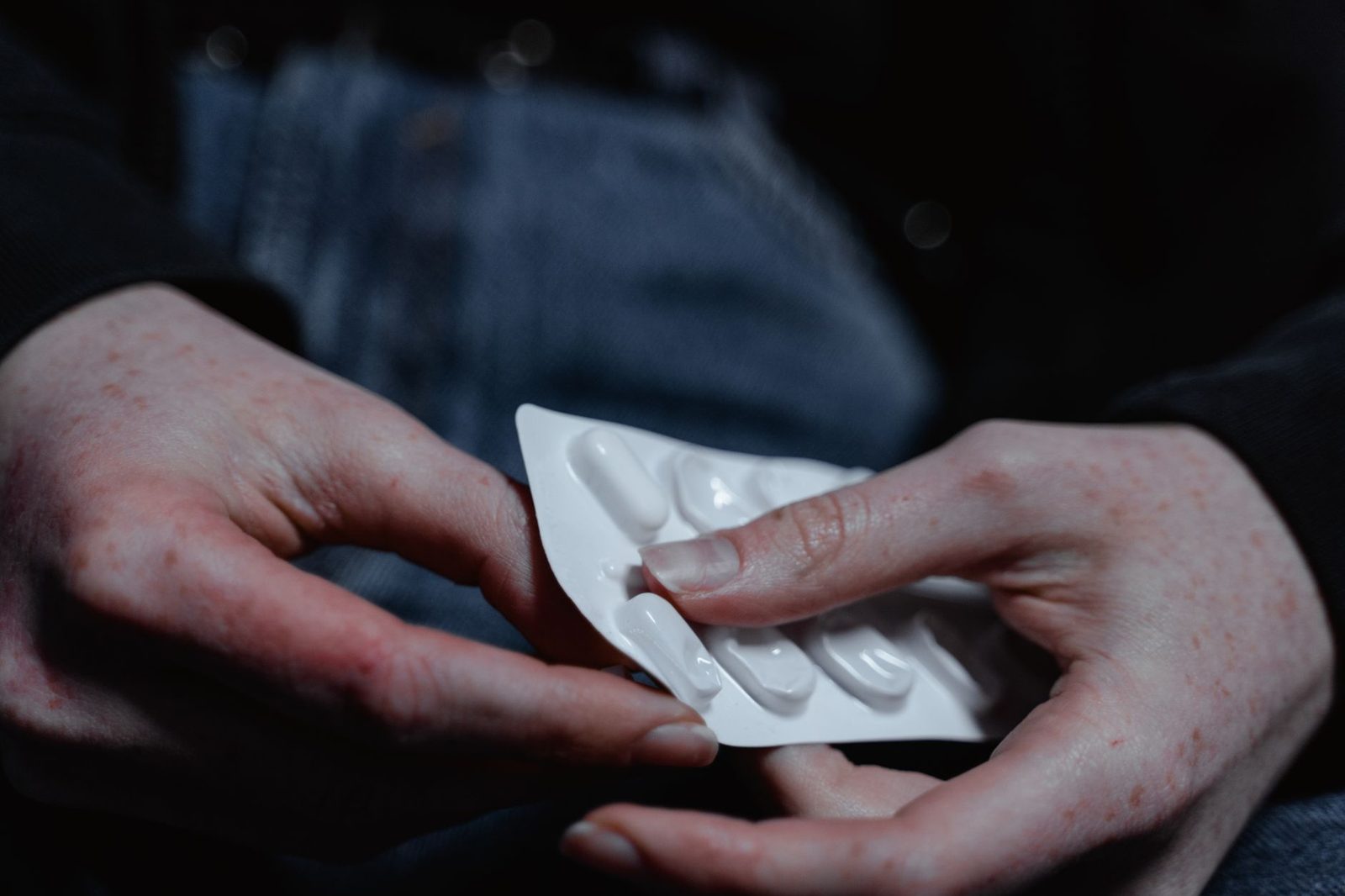
Five Signs That Someone May Be Using Drugs
Common signs include changes in habits, mood, money, and daily responsibilities. None of them proves drug use by itself.
- Changes in habits. New friends, odd schedules, or secrecy about where they go.
- Changes in personality. Sudden irritability, anxiety, or pulling away from people they used to enjoy.
- Missing money or belongings. Cash, jewelry, prescription pills, or household items that disappear.
- Trouble with responsibilities. Missed work or school, unpaid bills, or trouble handling basic daily tasks.
- Physical changes you notice. Shifts in sleep, appearance, or hygiene that seem new and persistent.
These signs can have other causes, including stress, illness, grief, or side effects of medicine. A pattern over time tells you more than one odd day does. Only a medical professional can give an accurate assessment. Bring your log to a doctor if you can.
How to Start the Conversation Without Escalating It
Pick a calm, private time when the person is sober, then describe what you saw and how it affects you. Timing matters more than finding perfect words. Avoid starting the talk during an argument, in front of others, or right after an incident.
Use specific, calm statements. Try “I noticed you missed three shifts this month, and I’m worried about you.” That works better than “You’re always high and you ruin everything.” Facts are harder to argue with, and they feel less like an attack.
Avoid lecturing, threatening, or trying to win the argument in one talk. Expect denial or anger. Decide before you start when you’ll stop, such as when voices rise or the talk goes in circles. You can always try again later.
If conversation isn’t working, the broader guide on involuntary commitment for addiction on this site covers the legal side of getting help.
When the Person Does Not Want Help
Refusal is a normal first reaction, and it doesn’t end your options. Florida law also says that refusal alone is not proof of poor judgment. The addiction statute says “mere refusal to receive such services does not constitute evidence of lack of judgment with respect to his or her need for such services” (§ 397.675).
You can do several things right now. Share information about treatment options. Tell the person clearly that you care and will be there when they’re ready. Stay consistent in what you say. Many families use CRAFT strategies to communicate positively with a loved one who is not yet ready for treatment, reinforce sober behavior, and care for themselves while encouraging treatment.
Your own wellbeing and boundaries matter too. You can decide what you will and won’t pay for, lend, or cover, and say so calmly. Setting a boundary is not the same as giving up on someone. No single approach can be promised to change the person’s decision.
House Rules, Safety Plans, and Your Home
These questions are fact-specific. A home you own, a rental with a lease, and a shared family home can each raise different points.
Start with practical steps. Write down simple house rules, such as no drug use inside the home. Make a safety plan that includes where you would go if things escalate. Think carefully about children and any vulnerable people who live there.
If there is a threat or violence, call emergency services first. Don’t try to handle a threat alone.
Reading this page doesn’t create an attorney-client relationship, and it isn’t advice for your specific situation.
Can You Call the Police for Drug Activity?
Yes, you can call police for an emergency. Florida law also lets law enforcement take protective custody in some situations. Police respond to emergencies, overdoses, threats, and crimes in progress. If someone is in danger, call for emergency help right away.
Florida’s protective custody statute says a law enforcement officer may use protective custody measures when a minor or adult who appears to meet the involuntary admission criteria is brought to the attention of law enforcement or is in a public place (§ 397.677).
A police response to a non-emergency drug concern depends on the facts and the agency’s discretion. A police response is not the same as a court petition. The court process is a separate step.
Time limits may apply when a person is held in protective custody, as § 397.6773, Florida Statutes, provides, and how they apply depends on that section’s text and the circumstances of each case. Separately from law-enforcement protective custody, when a petition is filed with the court, § 397.6815, Florida Statutes, provides that the court may enter an ex parte order without first appointing an attorney, subject to the findings that section requires and the court’s discretion. The court decides whether to do so.
Not sure what your next step is?
Talk it through with our team — the first consultation is free, confidential, and carries no obligation.
Is Involuntary Treatment Available in Florida?
Under Fla. Stat. § 397.681, the courts have jurisdiction of involuntary treatment petitions for substance abuse impaired persons. A judge decides whether the statutory criteria are met, based on the evidence and the court’s discretion. Other requirements also apply, so this summary is not a complete list.
The admission criteria start with a good faith reason to believe a person is substance abuse impaired, or has a substance use disorder and a co-occurring mental health disorder. The person must also have lost the power of self-control with respect to substance abuse. The statute lists further criteria (§ 397.675).
For an adult, the statute lists who may file. These include a spouse or legal guardian, any relative, a service provider, or an adult with direct personal knowledge of the impairment and prior treatment (§ 397.68112). Other requirements may apply, and the court decides.
Petitions are filed with the clerk in the county where the person is located. The clerk may not charge a filing fee for the petition (§ 397.681).
§ 397.68141 lists some of the required contents of a petition, including the names of the respondent and petitioner, their relationship, and the facts supporting the need for services; other required contents also apply. Under § 397.68151, a hearing is to be set within 10 court working days, absent a continuance; timing depends on the court’s schedule and discretion.
If the court finds the conditions proved by clear and convincing evidence, it may order services for up to 90 days (§ 397.697).
What If the Person Has Already Left Treatment?
Leaving a program early can happen. What comes next depends on the program’s own policies and any court order in place. Some options depend on the court’s discretion, so treat them as possibilities rather than promises.
When a court orders involuntary services, the court may retain jurisdiction over the case, subject to the court’s discretion and the governing statute. The court may enter further orders, such as monitoring compliance, changing the treatment approach, or starting contempt proceedings for violating a valid order (§ 397.697).
A court order for services can also end early in some cases. Florida law lists conditions for early release. One example is when the person no longer meets the criteria and has given informed consent to move to voluntary treatment (§ 397.6971). Under § 397.6971, the service provider may make an early-release determination based on the facts, and release occurs as that section provides, including any notice to the court it requires; other requirements may also apply.
Looking After Yourself and Other Family Members
Caring for yourself is part of helping. Relatives often carry stress, fear, and guilt, and that weight is real.
Consider counseling for yourself, or a support group for people who love someone with substance use concerns. Getting support is not a sign you’ve failed.
Agree on a shared plan with other family members. Decide who says what, which boundaries the household will keep, and who handles emergencies. Research on evidence-based family interventions suggests that coordinated family approaches can be useful, and mixed messages can confuse the person and wear everyone down.
Remind yourself that you can’t control another adult’s choices. You can control your own behavior, your safety, and what you’re willing to tolerate. If you’re dealing with an adult child who uses drugs and denies it, the separate guide on that situation on this site covers it in more depth.
Talking Through Your Situation With a Florida Law Firm
If you’re still gathering information, you may not yet know whether legal options fit your family. That’s a normal place to be.
Under § 397.681, a respondent has the right to counsel at every stage of a judicial proceeding on a petition for involuntary treatment for substance abuse impairment. The respondent may waive that right only if present and the court finds the waiver is made knowingly, intelligently, and voluntarily.
Quick Answers
What should I do first if someone may be overdosing? Call emergency services right away. Don’t wait to see if it passes.
Can a relative file a Marchman Act petition? Under § 397.68112, certain relatives and others may file for an adult. Other requirements may apply, and the court decides.
Does the person have a right to a lawyer? Yes, under § 397.681, the respondent has that right, and the court can appoint counsel if it believes the respondent needs or desires it.
If your family is facing this now, Robinson Casey can talk through your situation with you. Call (561) 849-4149 or request a consultation at robinsoncasey.com/contact. No outcome can be promised, and reading this page does not create a lawyer-client relationship. This page is general information, not legal advice.
How Robinson Casey Can Help
Marchman Act Petitions
Our practice focuses on helping families understand and prepare petitions under Florida's Marchman Act, the state law addressing substance use impairment.
Guardianship Matters
We concentrate in guardianship, including emergency temporary, plenary, limited, and mental health guardianship, as Florida law allows.
Confidential Conversations
Your first consultation is free, confidential, and carries no obligation to continue.
Speak With an Attorney
Call (561) 849-4149 to talk through your family's situation with our team.
Safety Comes First
If the person is unresponsive, struggling to breathe, or may have taken too much of a substance, call 911 or your local emergency services immediately. Legal options can be discussed afterward.
Steps to Consider
1. Check on Immediate Safety
Make sure the person and anyone else in the home is safe. Emergency medical help should come before any legal step.
2. Write Down What You Have Seen
Record specific dates, behaviors, statements, and any incidents you witnessed. Clear, factual notes can be useful when you speak with an attorney.
3. Choose a Calm Time to Talk
Approach the conversation when both of you are sober and not in crisis. Focus on concern and available support rather than blame.
4. Learn How Florida Law Applies
Florida law provides several paths for people impaired by substances, and the court decides based on the evidence and the circumstances of each case. An attorney can explain which options may apply.