
Marchman Act & Guardianship | South Florida
Refusing Help Is Not the End of the Conversation
Practical guidance for families whose loved one won't accept addiction treatment, and how Robinson Casey can explain the Marchman Act process.
By Richard J. Casey III, Esq. · Published October 10, 2026
When someone you love refuses addiction treatment, say what you have seen, say that you’re worried, and offer help that is easy to accept. Avoid labels, guilt, and threats you won’t keep. If calm talk doesn’t work and the person may be at risk, Florida’s Marchman Act is a court process that may be an option. This guide covers the conversation first, then the legal path.
Why Someone with Addiction Often Refuses Help
Refusal is common, and it usually has more than one cause. Many people who turn down help are afraid of what treatment will mean. Others feel ashamed, or they don’t believe they have a problem. The substance itself can also make it harder to see the situation clearly.
Florida’s involuntary-treatment statute recognizes this. It says that mere refusal to receive services does not by itself show a lack of judgment about the need for services. In other words, a “no” alone does not settle the question.
A refusal today is not always a refusal forever. Readiness can change over days, weeks, or months. A calm, steady relationship can keep the door open for that change. No one can predict when or whether it will happen.
If your loved one keeps saying no and you're wondering whether a Marchman Act petition could be an option, we can talk through your facts with you. Talk it through with Robinson Casey — the first consultation is free, confidential, and carries no obligation.

Start by Admitting the Problem to Yourself
Start by accepting the situation as it really is, not as you hoped it would be. Many families wait for the problem to fix itself. Waiting can leave the same patterns in place, and it can wear you down over time.
Write down specific incidents. Note the date, what happened, and who was there. This keeps your thinking grounded. It also helps you describe the situation accurately in conversations and, if needed, to a lawyer.
Keep your tone supportive. You can be honest about the danger and still treat the person with respect. Acknowledging the problem doesn’t mean blaming yourself or the person you love.
What to Say (and Phrases to Avoid)
Use calm, specific words. Describe what you saw and how it affects you. Here are a few examples:
- “I noticed you missed work twice this week. I’m worried about you.”
- “I’m scared when you drive after you’ve been drinking.”
- “I love you, and I want to help you find support when you’re ready.”
These are “I” statements. They describe your concern without attacking the person’s character. Avoid labels such as “addict” or “alcoholic.” Labels make people defensive and can end the conversation before it starts.
Avoid accusations about character, such as “You’re ruining everyone’s life.” Avoid comparisons, such as “Your brother never did this.” Avoid threats you won’t follow through on.
Do ultimatums work with addicts? Ultimatums can be emotionally charged, and they don’t reliably change behavior. An ultimatum you won’t enforce can teach the person that your words don’t carry weight. If you set a limit, choose it carefully and make sure you can keep it.
Avoid Guilt, Shame, and Enabling
Guilt and shame usually make people more defensive, not more willing to get help. A person who feels attacked tends to protect themselves. Pressure built on guilt is not a dependable way to change behavior.
Enabling means shielding someone from the results of their substance use. Examples include paying bills they would otherwise face, lying to an employer for them, or handing over cash that may go toward drugs or alcohol.
Stopping money or shielding the person from consequences is a real choice you can weigh. It is a personal decision with its own risks, including effects on housing, safety, and health. Talk it through with people you trust before you act on it.
Explaining Addiction to Someone Who Doesn’t Understand
Florida’s statute describes a person who has lost the power of self-control with respect to substance abuse. That phrase is a useful frame. It shifts the conversation from willpower to a health problem that affects self-control.
When you talk with relatives, employers, or others who doubt the problem, try a simple line: “This is a health problem, and we’re trying to get him help.” Avoid debating whether the person is weak or lazy. Those debates rarely help.
Read materials that state the specific point you want to make. Keep your claims to what the sources actually say. If someone asks for proof, you can point to the statute text and explain what it does and does not say.
Offering Support and Options Without Forcing Treatment
Make your offers specific and easy to accept. Instead of “Let me know if you need anything,” try “I can drive you to the doctor on Thursday.” Name one concrete step, such as a visit with a primary care doctor or a counselor’s first session.
Florida law also allows a person who wants treatment to apply to a service provider for voluntary admission. This is a voluntary path, separate from a court petition. Offer to help with the paperwork or the phone call, but don’t promise the person will say yes.
Look after yourself too. Family support groups, a counselor of your own, or time away from the crisis can help you stay steady. You can’t control another adult’s choices, but you can control how you care for yourself.
Not sure what your next step is?
Talk it through with Robinson Casey — the first consultation is free, confidential, and carries no obligation.
When Communication Is Not Enough: Florida’s Marchman Act
Communication guidance is not a substitute for a legal option. If your loved one’s refusal puts them or others at risk, you may need to know what the law allows. Talk with a lawyer about your specific facts.
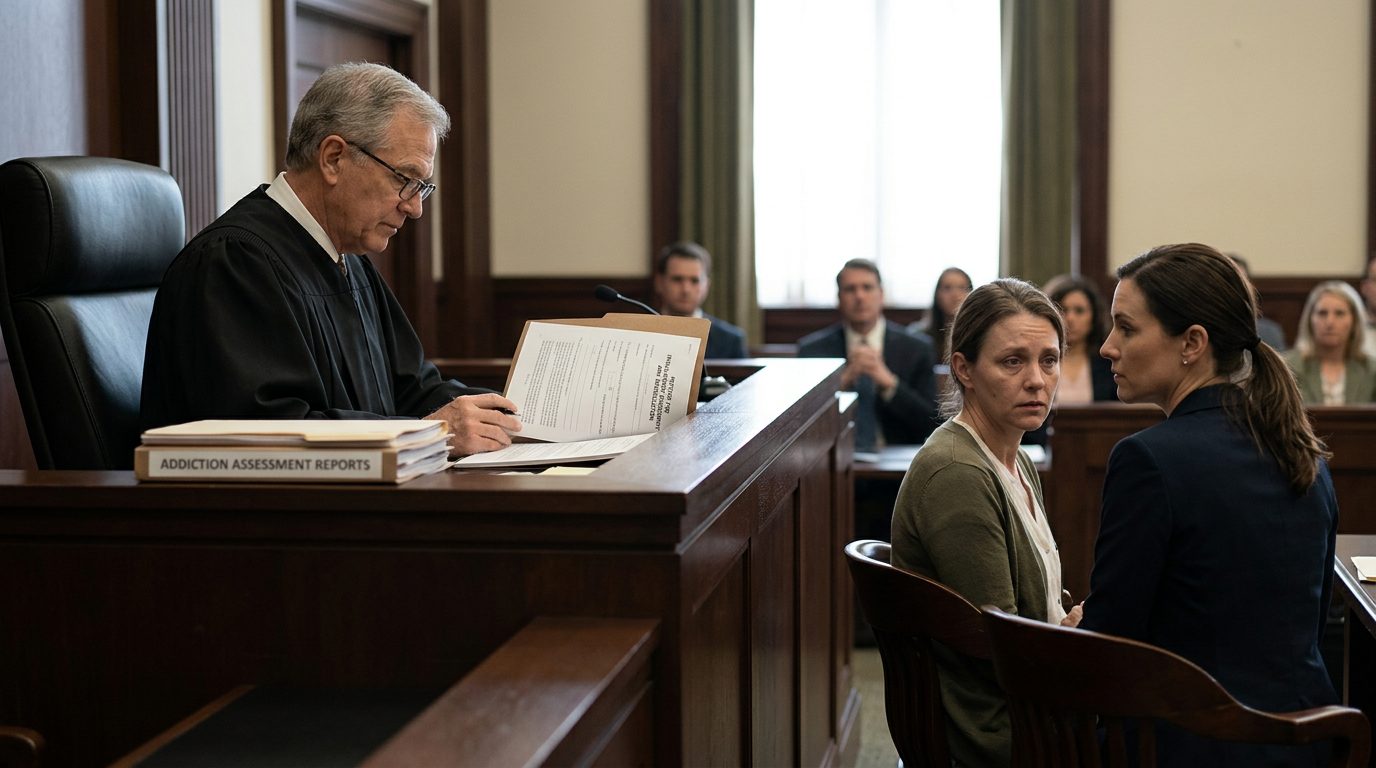
The Marchman Act is often discussed by families who are considering options for a loved one struggling with substance use. A spouse, legal guardian, any relative, a service provider, or an adult with direct personal knowledge of the person’s impairment may file a petition.
The petition must be filed with the clerk of the court in the county where the person is located. The clerk may not charge a filing fee for the petition. The respondent has a right to counsel at every stage of the case, and the court may appoint a lawyer. In one Second District case, the court held that a respondent has a constitutional right to counsel in Marchman Act proceedings.
The court decides whether the statute’s criteria are met. The statute requires clear and convincing evidence before the court may order involuntary treatment for up to 90 days. Any outcome depends on the court’s discretion and the facts of the case.
Court timing also varies. The statute says the court is to schedule a hearing within 10 court working days unless a continuance is granted. Scheduling depends on the court’s calendar and any continuance.
Venue and case law are also important. A Fifth District decision held that filing in the wrong county did not divest the circuit court of jurisdiction.
Frequently Asked Questions
How do I help an addict who refuses help?
Start with calm, specific talk about what you’ve seen and how you feel. Make one concrete, easy offer of help, and keep your own support in place.
Do ultimatums work with addicts?
Ultimatums don’t reliably change behavior, and they can backfire if you won’t enforce them. If you set a limit, choose it carefully and only set one you can keep.
What are the hardest addictions to quit?
This page doesn’t rank addictions, and no single answer fits every person. Each situation depends on the substance, the person, and their support.
How can I explain addiction to someone who doesn’t understand?
Describe it as a health problem that affects self-control, not as a lack of willpower. Stick to what the sources say, and avoid debating whether the person is weak.
If your family is dealing with an adult child who refuses help, a parent guide on that topic may also help.

Talk With a Florida Attorney About Your Situation
If your loved one keeps refusing treatment, you may be asking whether a Marchman Act petition is possible in your case. Robinson Casey limits its practice to Marchman Act and guardianship matters, and families in Miami-Dade and South Florida can call (561) 849-4149 or request a consultation to discuss their specific facts.
We can’t predict or promise any result. The court decides whether any petition meets the statute’s requirements. If your matter falls outside our practice, we will tell you so.
How Robinson Casey Can Help Your Family
Marchman Act Petitions
Robinson Casey focuses on Marchman Act petitions, so families can understand what a petition involves and what the court may consider.
Guardianship Matters
The firm concentrates in guardianship matters, including emergency temporary, plenary, limited, and mental health guardianship.
Families Across South Florida
The firm serves families in Miami-Dade and throughout South Florida, and statewide, on these matters.
Important: Safety Comes First
If your loved one is in immediate danger, or you believe someone may harm themselves or others, call 911 or your local emergency number right away. No conversation or legal step can replace emergency care, and no outcome in any court matter can be promised in advance.
Four Steps for Opening the Conversation
Choose a Calm Moment
Talk when both of you are sober and not in the middle of a crisis. Avoid confrontations in front of others.
Describe What You Have Seen
Use specific, factual examples and say how the behavior has affected you, rather than labeling your loved one.
Make One Clear Offer
Suggest one concrete, easy next step, such as a single appointment or a call to a treatment provider, instead of a list of demands.
Protect Your Own Support
Keep your own support network, counseling, or family group in place so you are not carrying the situation alone.