
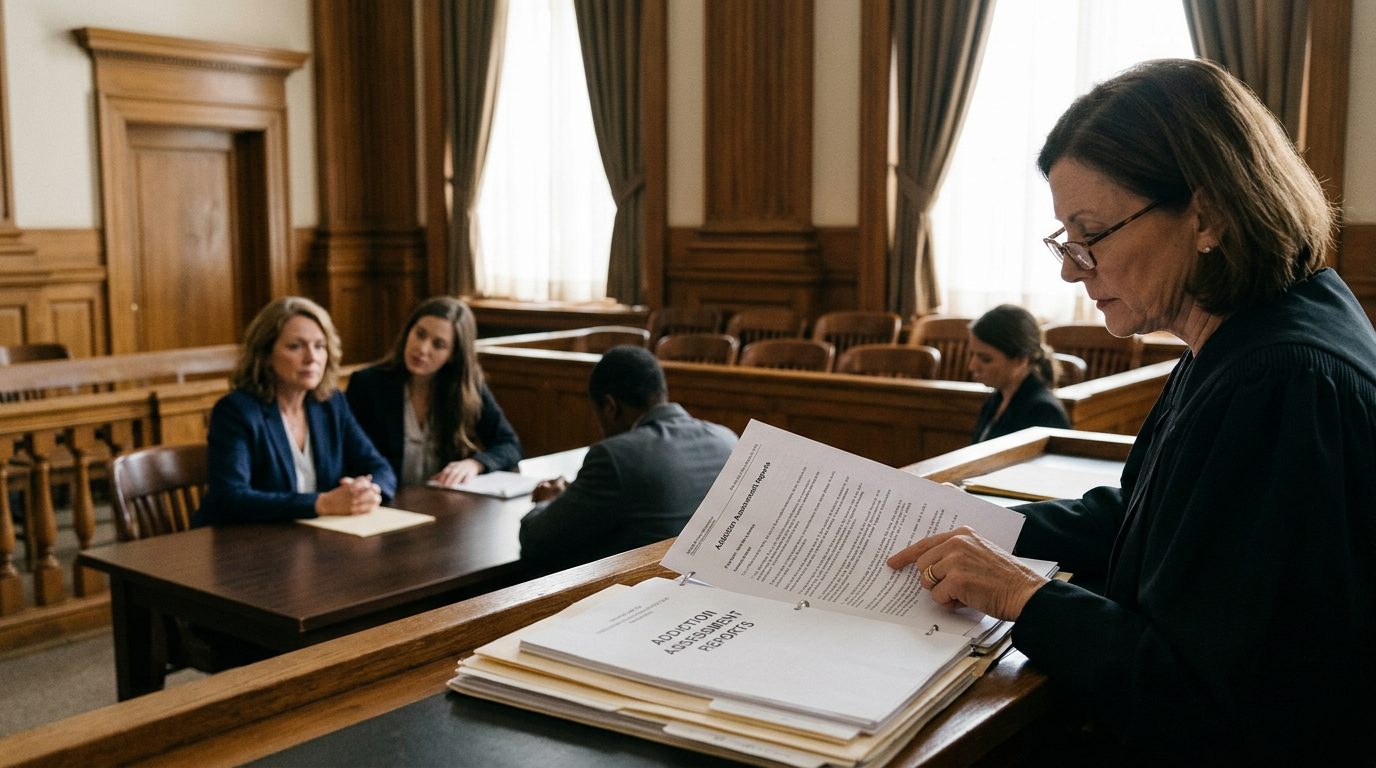
Marchman Act & Involuntary Commitment
When Involuntary Commitment for Addiction Is Necessary
Understanding the legal path to intervention when a loved one's substance use becomes a crisis.
By Richard J. Casey III, Esq. · Published October 01, 2026
When Involuntary Commitment for Addiction Is Necessary in Florida
Involuntary commitment for addiction in Florida becomes necessary when a person meets the legal definition of substance abuse AND poses imminent danger of serious bodily harm, death, or severe deterioration—and refuses or cannot seek help voluntarily. This civil commitment process, governed by Florida’s Marchman Act, is designed to intervene in life-threatening situations where addiction has escalated beyond the point where voluntary treatment alone is realistic.
Understanding when this threshold is met—and when it isn’t—is critical for families in crisis. The law sets a high bar intentionally: involuntary commitment is not available simply because someone struggles with drugs or alcohol. It requires clear, convincing evidence of both active substance abuse and imminent danger, reviewed by a court.
If you're weighing whether involuntary commitment is the right step for someone struggling with addiction, you're not alone—families and caregivers face this decision regularly. Reach out to discuss your situation. Talk it through with our team — the first consultation is free, confidential, and carries no obligation.

What Is Involuntary Commitment for Addiction in Florida?
Involuntary commitment for addiction is a civil court order that mandates substance abuse treatment without the person’s consent. It is distinct from voluntary treatment (where the person chooses to enter a program) and from psychiatric holds under Florida’s Baker Act (which address mental illness, not addiction).
Florida created the Marchman Act specifically to address substance abuse because addiction can escalate to a point where the person cannot recognize the danger or make rational decisions about treatment. The law recognizes that in those moments, intervention by family, healthcare providers, or law enforcement—backed by court authority—may be the only way to prevent death or serious harm.
This is a civil process, not a criminal one. No arrest or criminal charges are required.
The Legal Threshold: When Is Involuntary Commitment Necessary?
The court must find four core elements before ordering involuntary commitment:
1. Substance Abuse
The person must meet Florida’s statutory definition of substance abuse. This means continued use of alcohol or drugs despite knowing it causes problems, inability to cut down or control use, withdrawal symptoms, or increased tolerance. Occasional use or a single incident is not enough.
2. Imminent Danger
The addiction must create a substantial likelihood of serious bodily harm, death, or severe physical or mental deterioration in the immediate future. This is not a distant risk or a gradual decline over months. Imminent means now—or very soon. Examples include active overdose risk, severe withdrawal complications, inability to meet basic needs (food, shelter, hygiene), or dangerous behavior while intoxicated.
3. Refusal or Inability to Seek Treatment
The person must have refused voluntary treatment or be unable to seek help on their own. If someone is willing to enter a treatment program, involuntary commitment is not necessary.
4. No Less Restrictive Alternative
The court must determine that no less restrictive option—such as outpatient treatment, family support, or medication-assisted therapy—can adequately protect the person or the public. Involuntary commitment is a last resort, not a first step.
The court applies the “clear and convincing evidence” standard, a high legal threshold that requires more than a preponderance of evidence but stops short of “beyond a reasonable doubt.” This protects the person’s liberty interest while allowing intervention in genuine emergencies.
What Are the Requirements for Involuntary Commitment in Florida?
Who Can File
Family members, healthcare providers, law enforcement, and the state attorney may petition the court for involuntary commitment under the Marchman Act.
The Probable Cause Hearing
Within 5 days of filing a petition, the court must hold a probable cause hearing. At this hearing, the petitioner presents evidence—medical records, testimony from family or treatment providers, observations of behavior—showing that grounds for commitment exist. The person has the right to be present and to contest the petition.
If the judge finds probable cause, the person may be held for up to 5 days for evaluation and stabilization at a treatment facility.
The Full Hearing
Before any extended commitment is ordered, a full hearing must occur. Medical or clinical evidence is presented, often including testimony from physicians or addiction specialists (third-party witnesses qualified to speak to the person’s condition). The person has the right to legal representation and the right to present their own evidence.
The judge must issue a written order explaining the findings and the terms of commitment if one is ordered.
What Are the Three Criteria for Being Involuntarily Committed?
The three core criteria are:
-
Substance abuse: The person meets the clinical and legal definition—continued use despite harm, inability to control use, or withdrawal and tolerance symptoms.
-
Imminent danger: The addiction has created or will create substantial risk of serious bodily harm, death, or severe physical or mental deterioration in the near term.
-
Lack of voluntary treatment: The person has refused help or is unable to seek treatment on their own.
All three must be present. A person cannot be committed based on substance abuse alone, or on danger alone, or on refusal alone.
How Does the Marchman Act Apply to Addiction in Florida?
The Marchman Act is Florida’s civil commitment statute specifically for substance abuse. It allows the court to issue emergency ex parte orders (temporary holds without the person present) in urgent situations, protecting the person during the initial evaluation period.
The act distinguishes between emergency temporary commitment (typically 5 days) and extended involuntary treatment orders (which may last longer, depending on the court’s findings and the person’s progress). Both require judicial review and due process protections, including the right to a hearing and legal representation.
The Marchman Act does not apply to mental illness; that falls under the Baker Act. However, a person may be subject to both if substance abuse and mental illness co-occur.
Not sure what your next step is?
Talk it through with our team — the first consultation is free, confidential, and carries no obligation.
Signs That Involuntary Commitment May Be Necessary
Observable conditions that may signal the need for involuntary commitment include:
- Active overdose risk or recent overdose attempts: The person has nearly died or has attempted suicide or self-harm while intoxicated.
- Severe withdrawal symptoms or medical complications: Withdrawal from alcohol or benzodiazepines can be life-threatening; other substances may cause dangerous medical crises.
- Inability to meet basic needs: The person cannot or will not eat, drink, bathe, or find shelter due to active addiction.
- Dangerous behavior while intoxicated or in withdrawal: Aggression, recklessness, or self-harm that poses immediate risk.
- Repeated failed attempts at voluntary treatment: The person has entered and left treatment programs multiple times without sustained recovery.
- Explicit refusal to seek help: Despite family intervention, medical advice, or crisis events, the person refuses any treatment.
- Rapid deterioration: Physical or mental health is declining sharply, with imminent risk of death or serious harm.
No single sign is sufficient; the court looks at the totality of circumstances and the urgency of the situation.
How Does Involuntary Commitment Differ From a Psychiatric Hold?
Florida’s Baker Act allows emergency psychiatric holds for mental illness. The Marchman Act is specifically for substance abuse. The legal standards, procedures, and treatment settings differ.
A psychiatric hold may be initiated by law enforcement or healthcare providers without a court order in immediate emergencies; a Marchman Act commitment requires a court petition and hearing (though an emergency temporary hold can be issued quickly).
A person may be subject to both if they have co-occurring mental illness and substance abuse. In those cases, both the Baker Act and Marchman Act processes may apply.
What Happens After Involuntary Commitment Is Ordered?
Once the court orders involuntary commitment, the person is transported to a treatment facility for an initial evaluation period (typically 5 days). During this time, medical and psychiatric staff assess the person’s physical health, addiction severity, mental health, and appropriate level of care.
A full hearing is then held before the judge. If the court finds that extended commitment is warranted, the person enters a treatment program—inpatient or outpatient, depending on the circumstances and the facility’s recommendations.
The court maintains oversight. Periodic review hearings allow the person to challenge the commitment or request modification as their condition changes.
The Role of the Court in Determining Necessity
The judge reviews evidence from the petitioner, medical professionals, and the respondent (the person whose commitment is being considered). The court applies the “clear and convincing evidence” standard—a high legal threshold designed to protect the person’s liberty while allowing intervention in genuine emergencies.
The judge must also consider whether less restrictive alternatives are viable. If outpatient treatment, medication-assisted therapy, or family support could adequately address the danger, the court may order those instead.
The judge’s written order explains the findings, the legal basis for the commitment, and the terms—including the duration and any conditions for release or modification.
Common Misconceptions About Involuntary Commitment for Addiction
It is not punishment. Involuntary commitment is a civil (not criminal) process. The goal is treatment and stabilization, not punishment or incarceration.
It does not require arrest or criminal charges. A person can be committed under the Marchman Act without ever being arrested or charged with a crime.
It is not available simply because someone uses drugs or alcohol. The imminent danger threshold must be met. Substance use alone, or even problematic use, does not meet the legal standard.
It does not promise a specific treatment outcome. Commitment provides access to professional care and a structured treatment setting, but recovery depends on many factors, including the person’s willingness to engage once stabilized.
It is not permanent. Commitment orders have defined durations. The person can petition for release, and the court can modify or terminate the order if circumstances change.
If you're weighing whether involuntary commitment is the right step for someone struggling with addiction, you're not alone—families and caregivers face this decision regularly. Reach out to discuss your situation. Talk it through with our team — the first consultation is free, confidential, and carries no obligation.
Frequently Asked Questions
Can family members file for involuntary commitment in Florida?
Yes. Family members are among those authorized to petition the court under the Marchman Act. You do not need to be a healthcare provider or law enforcement officer.
What does “imminent danger” mean in this context?
Imminent danger means substantial likelihood of serious bodily harm, death, or severe physical or mental deterioration in the near term—not a distant or theoretical risk. The danger must be immediate or very soon.
How long does an involuntary commitment last?
An emergency temporary hold typically lasts 5 days. Extended commitment orders vary in duration, depending on the court’s findings and the person’s progress. The court reviews the commitment periodically.
Can someone challenge an involuntary commitment order?
Yes. The person has the right to a hearing, legal representation, and the right to present evidence. They can petition the court to modify or terminate the commitment at any time.
What is the difference between voluntary and involuntary treatment for addiction?
Voluntary treatment is chosen by the person; they enter a program willingly. Involuntary treatment is court-ordered when the person refuses help and poses imminent danger. Both can be effective, but involuntary commitment ensures the person receives care when they cannot or will not seek it on their own.

Next Steps
If you’re in the middle of a situation where someone you care about is struggling with addiction and you’re wondering whether involuntary commitment might be necessary, the legal framework and the imminent danger standard can feel abstract in the face of real crisis. Families and caregivers in South Florida and across the state regularly reach out to understand their options and what the process actually looks like.
Contact Robinson & Casey to discuss your
Family members can petition the court
You do not need to be a healthcare provider or law enforcement officer to file for involuntary commitment under Florida law. Family members are authorized to initiate the process when a loved one's addiction poses imminent danger.
Key questions about involuntary commitment
What does 'imminent danger' mean?
Imminent danger refers to a substantial likelihood of serious bodily harm, death, or severe physical or mental deterioration. This is the legal threshold that must be met to petition for involuntary commitment.
Who can file a petition?
Family members, law enforcement, healthcare providers, and other authorized persons may petition the court. The Marchman Act provides multiple pathways for intervention when addiction becomes life-threatening.
What happens after a petition is filed?
The court reviews the petition and evidence. If the threshold is met, the individual may be ordered into treatment and held for evaluation. Legal representation ensures your petition is properly prepared and presented.
How quickly can this process move?
Emergency situations can be addressed urgently. The timeline depends on the specific circumstances and court availability. An attorney can help you understand what to expect in your case.
How Robinson & Casey can help
Petition preparation
We prepare and file involuntary commitment petitions that meet Florida's legal requirements and present your case clearly to the court.
Legal guidance through the process
From initial consultation through court proceedings, we explain your options and guide you through each step of the Marchman Act process.
Urgent intervention when needed
We understand that addiction crises demand fast action. We work to move your case forward when time is critical.
Family-focused representation
We focus exclusively on Marchman Act petitions and guardianship matters, serving families across South Florida and statewide.