
Marchman Act & Guardianship | South Florida
Worried About an Adult Child's Addiction? Learn Where Florida Law Can Help.
Robinson Casey focuses on Marchman Act petitions and guardianship matters for families across South Florida and statewide. Start with a free, confidential first consultation.
By Richard J. Casey III, Esq. · Published October 30, 2026
Can you force an 18-year-old into rehab in Florida? Not just because you’re the parent. Florida does offer a court-based route for some adults with substance use problems. It’s called the Marchman Act, and a judge must find specific facts before anyone can be ordered into treatment.
This page explains how that route works in plain language. It also covers the fears parents raise most often, and when guardianship may be a different path.
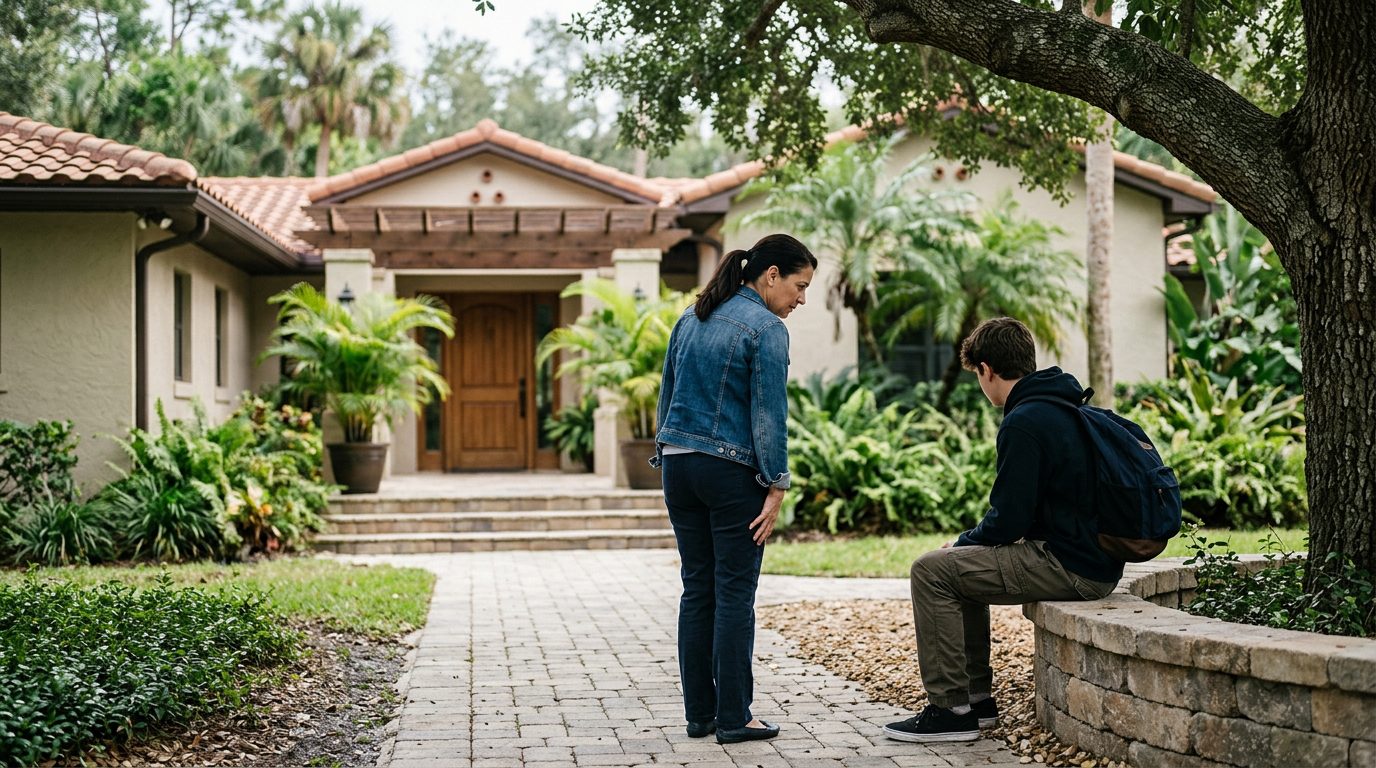
Why Turning 18 Changes What You Can Do
That shift can feel like the moment the family runs out of options.
You may have spent years paying for programs, trying interventions and holding firm boundaries. Each time, you hoped the next step would finally stick. Then came an overdose, a hospital visit, an arrest or a day when nobody knew where your child was.
Now you’re asking whether the law can step in. The first thing to know is that the rules for adults differ from the rules for minors. Florida still has court-based processes for adults, but they are narrow. They require a formal petition, evidence and a judge’s decision. Knowing that early can save you weeks of looking for a shortcut that the law doesn’t offer.
If your adult child has just overdosed, relapsed or gone missing, you don't have to work out the legal options alone. Call us to talk through your facts. Talk it through with our team — the first consultation is free, confidential, and carries no obligation.
What the Marchman Act Is
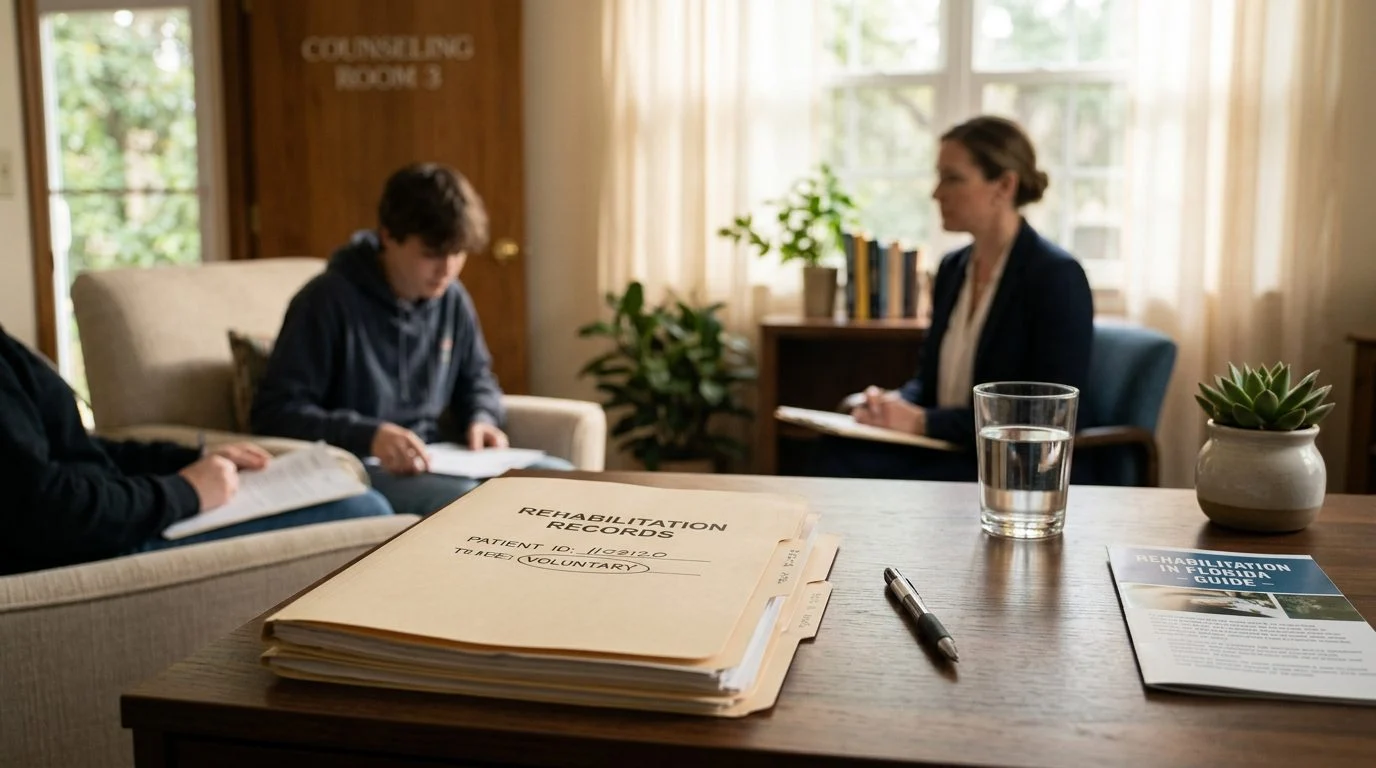
The Marchman Act is Florida’s law for court-ordered assessment and treatment of people with substance use impairment.
Age alone doesn’t make the process unavailable. What matters is whether the facts meet the statute’s test, which is discussed below.
The Marchman Act deals with substance use. It is not the same as a mental health commitment. If the core problem is drugs or alcohol, the Marchman Act is the framework that applies. Some families face both substance use and a mental health condition at once. The statute’s criteria speak to that overlap, so the facts of your child’s situation decide which path fits.
Who Can File and What a Petition Involves
For an adult, a petition can be filed by a spouse or legal guardian, any relative, a service provider, or an adult who has direct personal knowledge of the person’s substance abuse impairment and prior treatment. A parent is a relative, so a parent can file.
A petition must name the adult and name the petitioner. The petition must state the relationship between the respondent and the petitioner and, if known, the name of the respondent’s attorney (Fla. Stat. § 397.68141). The most important part is the factual allegations. The petition must explain why you believe your child is impaired by substance use. It must explain why your child has lost the power of self-control over that use. It must also explain the harm you fear, or why your child’s refusal of care comes from impaired judgment.
A petition may include a report from a qualified professional who examined the adult within 30 days before filing. If the adult was never assessed, or refused an assessment, the petition has to say so. How strong the petition is depends on the facts of each case, and that is where careful preparation counts most.
What a Court Must Find Before Ordering Treatment
A court can order treatment only when the statutory test is met. The judge decides, not the family.
The statute says the petition must state the reason for the petitioner’s belief that the respondent is substance abuse impaired. It must also be shown that because of that impairment, they have lost the power of self-control with respect to substance use.
In addition to substance abuse impairment and loss of self-control, the petition must show either that the adult has inflicted or is likely to inflict physical harm on self or others unless the court orders involuntary services, or that the adult’s refusal to voluntarily receive care is based on judgment so impaired by substance abuse that the adult cannot appreciate the need for care and make a rational decision about it.
Refusal alone is not enough. The statute says a refusal to voluntarily receive care must be based on judgment so impaired by substance abuse that the adult cannot appreciate the need for care or make a rational decision about it. Families usually need to show more, such as recent overdoses, emergency visits, arrests or threats. Those facts go to the statutory test, not to how much you have suffered. At the conclusion of the hearing, the court shall either dismiss the petition or order the respondent to receive involuntary treatment services from his or her chosen licensed service provider if possible and appropriate.
How the Legal Process Generally Works
The usual sequence runs from petition to assessment, then hearing, then any treatment order. Timelines and steps can vary by county and by case.
Filing. The petition goes to the clerk of the court in the county where the adult is located. The clerk may not charge a fee for filing. Involuntary treatment petitions must be filed with the clerk of the court in the county where the person is located. J.P. v. J.N.
When an emergency exists, the petition must also describe the respondent’s exigent circumstances and include a request for an ex parte assessment and stabilization order. That order can direct law enforcement to take the adult into custody for evaluation. A provider may hold the adult for no more than 72 hours of observation, unless a listed exception applies. The petition must still rest on a good faith reason to believe the criteria for involuntary admission are met. D.H. v. K.J.R.
Hearing. If an assessment order is issued, it is valid for 90 days. If the adult is present, or there is proof of service, or the adult’s location is known, the hearing is continued for no more than 10 court working days. Otherwise, the petitioner must tell the court once the adult has been assessed so that the court can schedule a hearing as soon as practicable. Fla. Stat. § 397.6957 The respondent must be present at a hearing on a petition for involuntary treatment services unless the court finds that he or she knowingly, intelligently, and voluntarily waives the right to be present or, upon receiving proof of service and evaluating the circumstances of the case, that presence is inconsistent with his or her best interests or is likely to be injurious to self or others. Testimony is taken under oath, and the adult may refuse to testify.
In the Fifth District, a judge who questions the only witness after the petitioner is absent has been held to err. J.C. v. State Another district has certified conflict with that line, so treat it as Fifth District law, not a statewide rule.
Quick answers
Can a parent file?
Yes. A parent is a relative, and relatives may file for an adult.
How long can an order last?
At the conclusion of the hearing, the court either dismisses the petition or orders involuntary treatment services. Any treatment order must include findings regarding the respondent’s need for treatment and the appropriateness of other less restrictive alternatives. A renewal may be requested before that period ends.
Does the adult get a lawyer?
The adult has a right to counsel at every stage of the case. A court-appointed lawyer is available if the adult cannot afford one; the adult, or a parent, legal guardian, or legal custodian for a minor, may apply immediately to the court to have an attorney appointed.
Common Objections and Fears Parents Hear
“It’s my choice.”
A petition has to show more, such as why the adult cannot make a rational decision or poses a real threat. The adult also has a right to a lawyer, and the Florida courts have held that a Marchman respondent has a constitutional due-process right to counsel. Hillsborough County v. Albrechta
“They’ll just walk out of the hospital.”
A person admitted involuntarily generally cannot be released without a qualified professional’s decision. An involuntarily retained individual may, at any time and without notice, petition for a writ of habeas corpus to question the cause and legality of such retention and request that the court issue a writ for the individual’s release. In a court-ordered case, notice of release goes to the petitioner and the court. The law cannot promise how treatment will go afterward.
Fear of overdose, jail, homelessness or death
The criteria focus on neglect, self-harm and threats of substantial harm. They are meant to address those dangers before they become final. Under the right to individual dignity in Fla. Stat. § 397.501, individuals served who are not accused of a crime or delinquent act may not be detained or incarcerated in jails, detention centers, or training schools of the state, except for purposes of protective custody in strict accordance with the chapter that contains this section. Fla. Stat. § 397.6977 Discharge planning must include and document the respondent’s needs and actions to address them, including information pertaining to available living arrangements and transportation. Court-ordered treatment aims to reduce these risks. It can’t promise a particular result.
Not sure what your next step is?
Talk it through with our team — the first consultation is free, confidential, and carries no obligation.
When a Guardianship May Be a Different Path
Guardianship may come up when the concern is an adult’s ability to manage personal or financial decisions, not substance use alone.
Florida guardianship includes several types. Emergency temporary guardianship addresses urgent situations. Plenary guardianship gives broad authority, while limited guardianship gives narrower powers. Mental health guardianship ties the request to a mental health condition. Each type fits different facts.
Some families need a Marchman Act petition, some need guardianship, and some need both. Sorting out which path fits is a fact question. It depends on the adult’s condition, the immediate danger and what the family can show the court.
How Robinson Casey Helps Families With These Cases
Robinson Casey focuses on Marchman Act petitions, guardianship matters and involuntary commitment for addiction. We serve families across South Florida and statewide, including Miami-Dade County.
Our team includes support staff who help families gather records and build a clear timeline for the court. Those records often include medical notes, hospital discharge papers, police reports and a list of recent events. Organizing them early helps the petition say exactly what happened.
Richard J. Casey III, Esq. is the responsible lawyer for this page. If a matter needs to go to another lawyer or firm, we will tell you so.

Take the Next Step: Talk Through Your Situation
If your adult child has just overdosed, relapsed or disappeared, you are probably handling the crisis and the research at the same time. You shouldn’t have to sort out the legal options by yourself.
Call (561) 849-4149 or request a consultation at our contact page. Your first consultation is free, confidential and comes with no obligation to continue. We can talk through the specific facts of your situation with Richard J. Casey III, Esq.
Responsible lawyer: Richard J. Casey III, Esq., Robinson Casey, Florida.
Why Families Contact Robinson Casey
Focused Practice
Our practice focuses on Marchman Act petitions and guardianship matters, so every case we take is in these areas.
Confidential First Consultation
Your first consultation is free, confidential, and carries no obligation to continue.
Support for the Whole Family
We understand that these cases affect parents, siblings, and loved ones, and we explain each step in plain language.
South Florida and Statewide
We serve families in Miami-Dade and throughout South Florida, and we assist clients across the state.
Don't Wait Until It's an Emergency
Florida's involuntary treatment process moves quickly once it begins. Talking with a lawyer early helps you understand your options before a crisis forces a decision.
Matters We Handle
Marchman Act Petitions
Our team helps families prepare and file petitions for involuntary assessment, stabilization, and treatment under the Florida Marchman Act.
Involuntary Commitment for Addiction
We guide families through the court process for involuntary commitment when a loved one's substance use puts their safety at risk.
Emergency Temporary Guardianship
When immediate court action is needed to protect an adult, we explain how emergency temporary guardianship works and what it requires.
Guardianship Options
We discuss plenary, limited, and mental health guardianship so you can understand which legal tools may fit your family's situation.