
Marchman Act Attorney · Miami-Dade & South Florida
Marchman Act Help for Your Young Adult in Florida
Robinson Casey focuses on Marchman Act petitions and guardianship matters for families in Miami-Dade, South Florida and across Florida. Get clear answers about your options.
By Richard J. Casey III, Esq. · Published November 2, 2026
When Your Adult Child Is Still at Home, Still Using, and Still Refusing Help
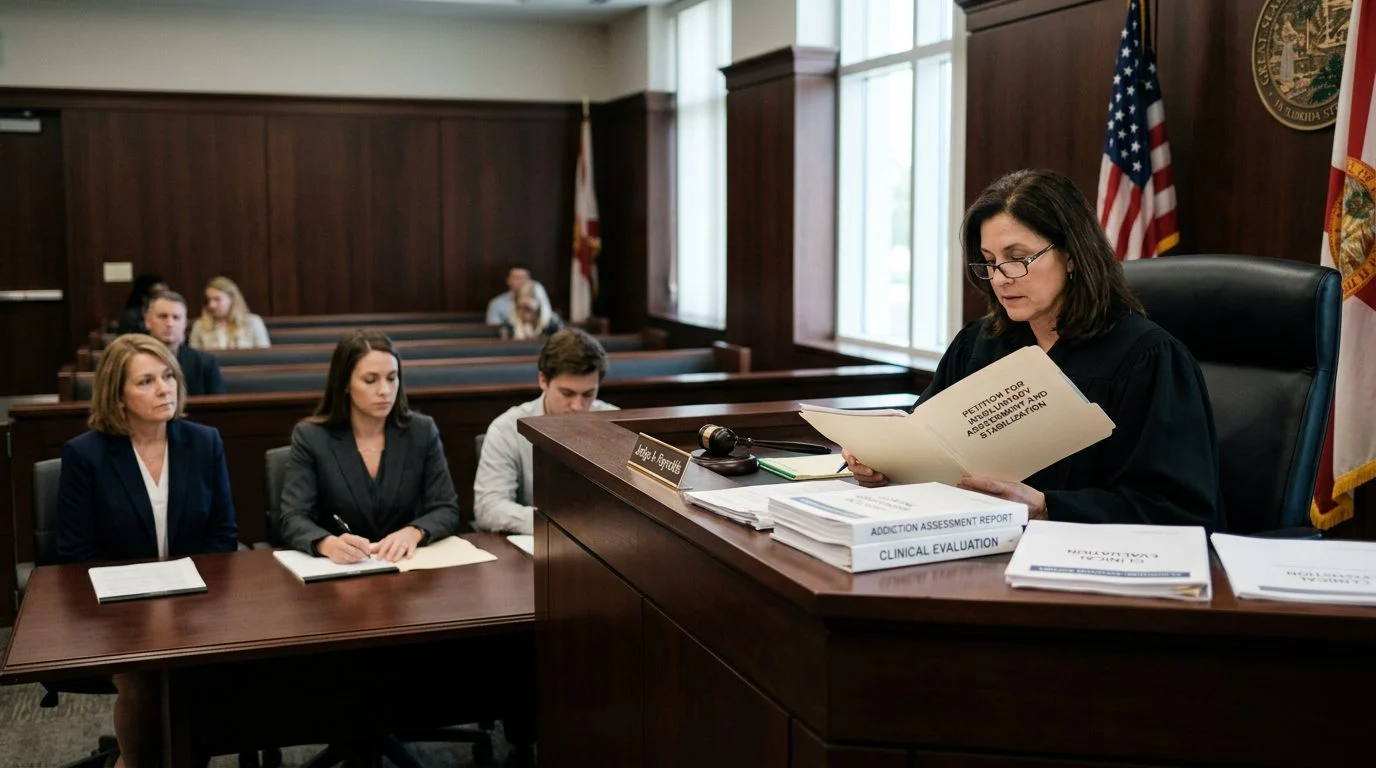
A Marchman Act petition is a court filing that can ask a Florida judge to order assessment and treatment for an adult who is substance abuse impaired. A parent can file one, because any relative may file for an adult under Fla. Stat. § 397.68112.
You may be up at night, listening for the front door. Your child is 21, sleeps in the old bedroom, keeps using, and says no to treatment again. You have paid for programs, tried interventions, and held firm on boundaries. Each new crisis still leaves you handling it alone.
Maybe a recent overdose, a hospital visit, an arrest, or a day when no one knew where your child was pushed you to look for another way.
If your child is in immediate danger, call 911 first. This page explains how the Marchman Act process works and when it may fit your family’s situation.
If your adult child keeps using and refusing treatment at home, you don't have to carry the next crisis alone; our team can review your facts with you. Talk it through with our team — the first consultation is free, confidential, and carries no obligation.

What the Marchman Act Is and Who It Covers
The Marchman Act is Florida’s legal process for assessment and treatment of people whose substance use impairs them. The Florida Department of Children and Families describes it as covering adults and youth severely impaired by substance abuse.
Three points matter most for a parent:
- Every case is different. Whether a petition fits your adult child’s situation depends on the specific facts, and a consultation with Robinson Casey is the way to review them.
- A relative can file. The statute allows a relative, spouse, legal guardian, service provider, or an adult with direct personal knowledge of the impairment and prior treatment to file.
- It is a court process for treatment. It is not a criminal charge. The judge decides whether treatment is ordered.
Does the Marchman Act Fit Your Child’s Situation?
The petition must give the reason you believe your child is substance abuse impaired and has lost the power of self-control over substance use (Fla. Stat. § 397.68141). It must also give the reason you believe your child either risks physical harm to self or others, or refuses care because impaired judgment keeps them from understanding the need for it.
The court’s own test asks whether there is a good faith reason to believe these criteria are met (Fla. Stat. § 397.675).
Facts matter more than labels. Write down what you saw, when it happened, and who else saw it. Parents often make two mistakes: they describe the problem in general words like “he’s getting worse,” or they leave out dates. A dated timeline helps before the first consultation.
Whether your family’s facts fit the statute depends on the facts. That review is what the first consultation is for.
How the Petition and Hearing Work, Step by Step
The process runs from consultation to filing, notice, assessment, and a hearing, and the court works on set time limits once it acts.
- Consultation. We review your child’s history, what has been tried, and whether a petition fits.
- Drafting and sworn facts. The petition names your child as respondent and you as petitioner, and states the facts. A document verified by written declaration carries a penalty: a knowingly false declaration is a third-degree felony (Fla. Stat. § 92.525).
- Filing in the right county. The petition goes to the clerk in the county where your child is physically located, and the clerk may not charge a filing fee (Fla. Stat. § 397.681). In Miami-Dade, the Miami-Dade Clerk directs adult cases to Probate Court. A petition filed in the wrong county is a venue problem; the J.P. v. J.N. opinion says the remedy is transfer, not dismissal.
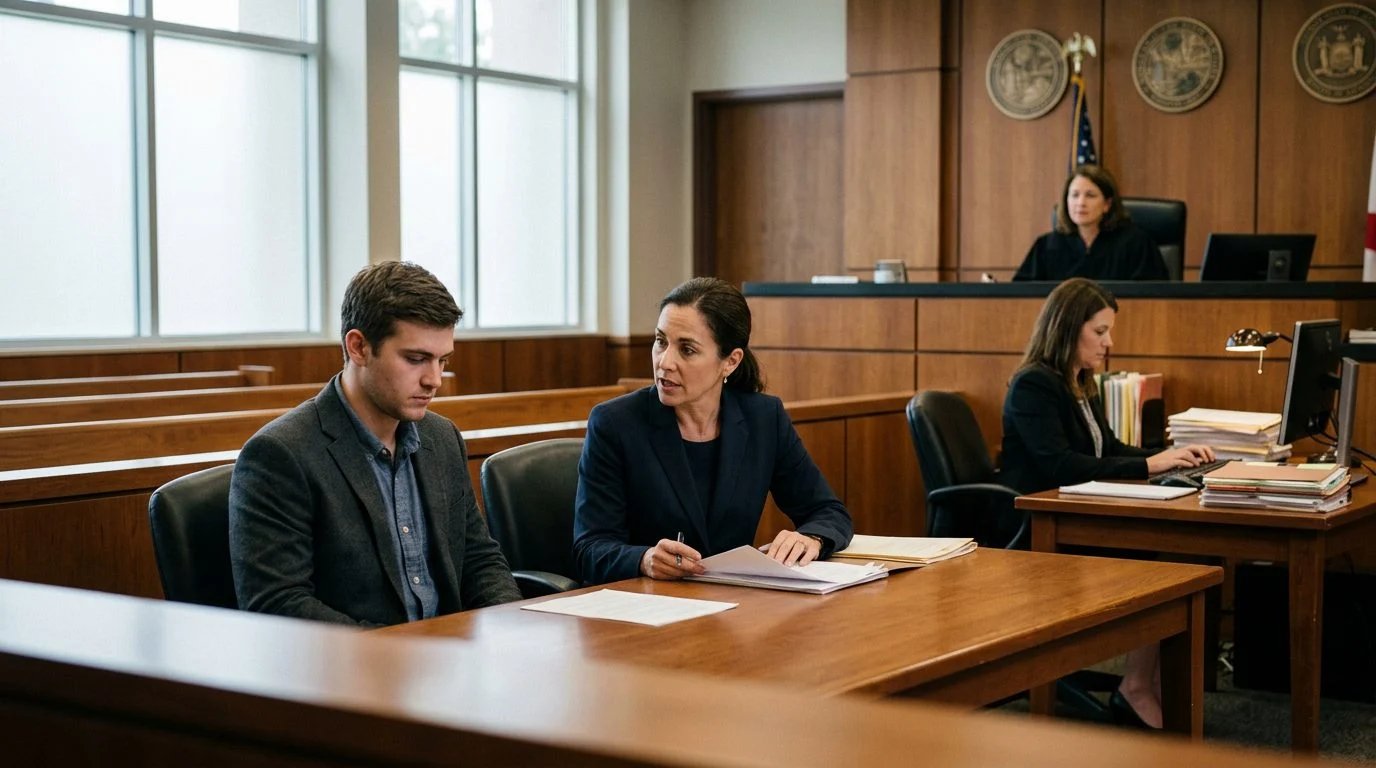
- Notice and scheduling. The court must set a hearing within 10 court working days unless a continuance is granted. Your child receives a copy of the petition and the notice (Fla. Stat. § 397.68151). In an emergency, the court may act on the petition alone and enter an ex parte order (Fla. Stat. § 397.6818).
- Assessment and hearing. In an emergency, the court may rely solely on the contents of the petition and, without appointing an attorney, enter an ex parte order for your child’s involuntary assessment and stabilization, which must be carried out while the hearing on the petition is pending.
- The court’s order. If the court finds the conditions proved by clear and convincing evidence, it may order involuntary treatment for up to 90 days (Fla. Stat. § 397.697). Early release is possible when the person no longer meets the criteria for involuntary admission and has given informed consent to be transferred to voluntary treatment status, or on other grounds listed in the statute (Fla. Stat. § 397.6971).
What You Can Control and What You Cannot
You control your facts, your timeline, and your follow-through. You do not control the judge’s ruling or how your child responds.
Within your control:
- Dated, accurate notes about each incident
- Records you can gather, such as hospital or treatment paperwork
- Attending the consultation and following counsel’s filing instructions
Outside your control:
- The judge’s decision
- How your child reacts to the notice or the hearing
- The treatment program, and how long recovery takes
One point matters here. Every case turns on its own facts, so how the court applies the law to your family’s situation should be reviewed with a lawyer. In one case, the appeals court reversed after the trial judge called and questioned the only witness while the petitioner was absent (J.C. v. State). A later Fifth District decision applied the same rule under the 2023 statute (C.W.R.K.). The Fourth District reached a different result and certified conflict, so this rule is not settled statewide (J.J.J. v. D.G.).
No lawyer can promise how a court will rule.
Your Biggest Fears: Overdose, Jail, Homelessness, and Losing Hope
A petition cannot stop an overdose on its own. Danger right now calls for 911 and emergency care.
- Overdose or death. A petition can start a court-ordered assessment and treatment process, but the court sets that timing. If your child may overdose today, call 911 first.
- Incarceration. The Marchman Act is a court process for treatment, not a criminal charge. Criminal matters are handled separately.
- Homelessness. The petition addresses treatment. Housing is a separate question, so raise it with counsel before the hearing.
- Losing hope. Years of effort wear a family down. When voluntary steps have not worked, a court process is one legal option to consider.
Not sure what your next step is?
Talk it through with our team — the first consultation is free, confidential, and carries no obligation.
Why Families Work With Robinson Casey
Robinson Casey limits its practice to Marchman Act petitions and guardianship matters. It serves families across South Florida, including Miami-Dade County, and statewide.
- Richard J. Casey III, Esq. is the responsible lawyer for this page.
- Services include Marchman Act attorney work, guardianship attorney matters, emergency temporary guardianship, plenary guardianship, limited guardianship, mental health guardianship, and involuntary commitment for addiction.
- Our support staff helps with scheduling and paperwork, so you don’t handle every step alone.
- Our team reviews your facts with you before any filing decision.
Questions Parents Ask Before the First Call
Do I need my child’s permission to file?
A relative may file under the statute. Your child then receives a copy of the petition and notice of the hearing (Fla. Stat. § 397.68151).
Will my child go to jail?
The Marchman Act is a court process for treatment, not a criminal charge. Your child’s facts decide the path.
Does my child get a lawyer?
Your child has the right to counsel at every stage, which they may waive only if present and the court finds the waiver knowing, intelligent, and voluntary. If your child wants counsel and cannot afford private counsel, they have the right to court-appointed counsel (Fla. Stat. § 397.681).
What does the first consultation cost?
The first consultation is free and confidential, with no obligation to continue.
What if my child is in danger tonight?
Call 911 or go to emergency care first.
Talk Through Your Child’s Situation Before the Next Overdose or Hearing
If your adult child is still using at home and refusing treatment after a recent crisis, you don’t have to decide alone whether a petition fits. Call (561) 849-4700 or use our consultation form to talk with our team.
How Robinson Casey Supports Your Family
A Free, Confidential First Consultation
Talk through your concerns with an attorney in a private conversation. The first consultation is free, confidential and carries no obligation to continue.
Focused Practice Area
The firm focuses on Marchman Act petitions and guardianship matters, so your case is handled by attorneys who concentrate on these families' situations every day.
Clear Explanation of the Process
We explain the petition, the notice and the court process in plain language, so you know what to expect at each step.
Support for Families Across South Florida
Our team works with parents, spouses, adult children and other relatives across Miami-Dade, South Florida and statewide.
Do Not Wait to Get Advice
Every family's situation is different, and the facts of your young adult's case shape which path makes sense. Speak with an attorney about your specific circumstances before you take the next step.
Matters We Handle
Marchman Act Petitions
Help filing and presenting a Marchman Act petition for a young adult who needs substance use treatment, including involuntary commitment for addiction.
Guardianship Matters
Guardianship representation, including plenary, limited and mental health guardianship, for families seeking court-supervised decision-making support.
Emergency Temporary Guardianship
Guidance on emergency temporary guardianship when a loved one's immediate safety or care needs cannot wait for a full hearing.
Involuntary Commitment for Addiction
Legal guidance for families weighing involuntary commitment for addiction under Florida law, with a focus on the court process and your child's rights.