
Marchman Act Representation
Skilled Legal Representation for Your Marchman Act Hearing
Robinson & Casey prepares petitioners and respondents for involuntary commitment hearings in Florida. We handle the legal arguments so you can focus on what matters.
By Richard J. Casey III, Esq. · Published September 24, 2026
Marchman Act Hearing Representation in Florida
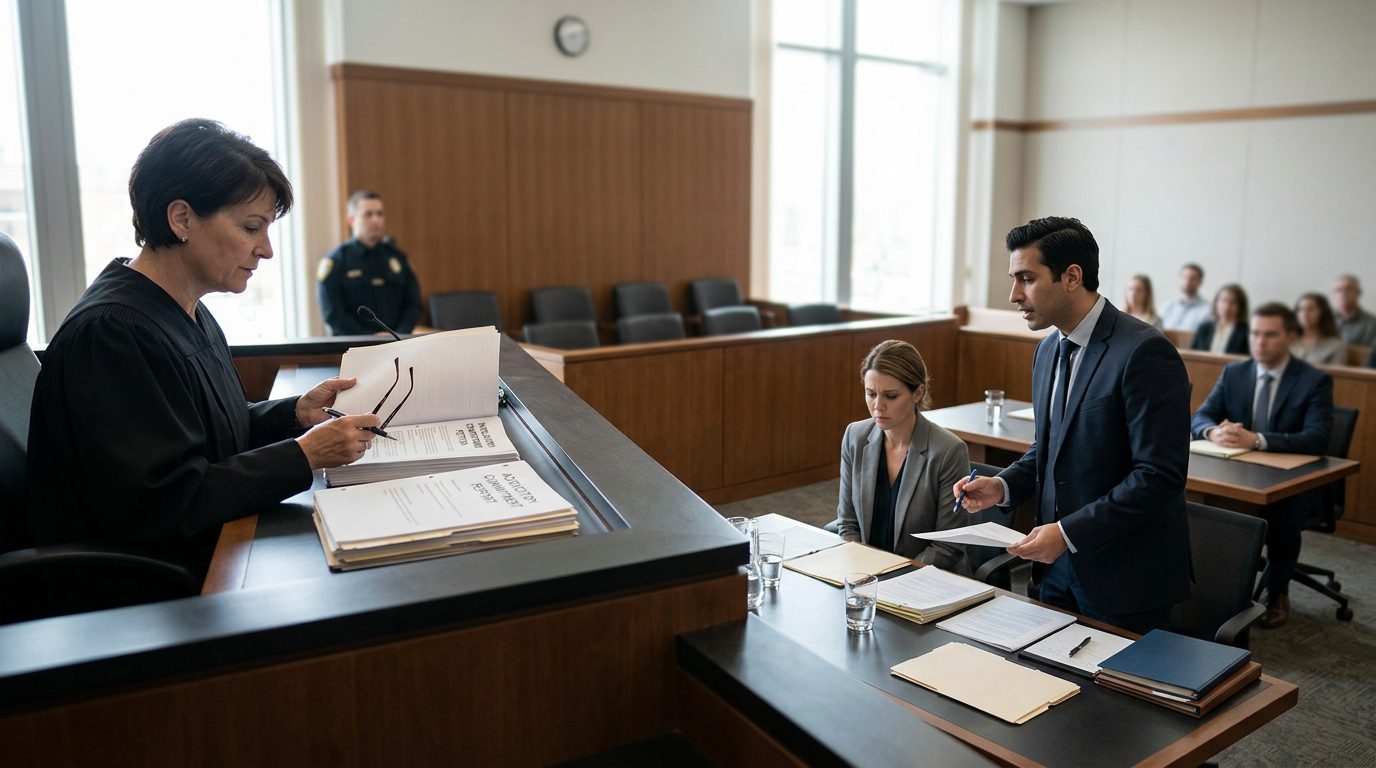
Legal representation at a Marchman Act hearing ensures your evidence is presented correctly, your witnesses are prepared, and your case meets Florida’s strict legal standards before the judge. Robinson & Casey represents petitioners and respondents at Marchman Act hearings across South Florida and statewide, handling every step from case preparation through courtroom advocacy and post-hearing guidance.
If you've filed a Marchman Act petition or received notice of one, and you need a lawyer to represent you at the hearing, reach out to Robinson & Casey—families in your situation contact us regularly. Talk it through with our team — the first consultation is free, confidential, and carries no obligation.

What Is Marchman Act Hearing Representation?
Marchman Act hearing representation is legal advocacy and courtroom defense at the hearing before a judge who decides whether involuntary treatment for substance use disorder is necessary and appropriate.
The Marchman Act, codified in Florida Statute Chapter 397, provides Florida’s legal framework for involuntary assessment and treatment of individuals struggling with addiction. A Marchman Act hearing is the critical moment when a judge applies statutory criteria under Florida Statute § 397.675 to determine whether the respondent (the person whose treatment is being sought) should be ordered into involuntary care.
Robinson & Casey represents petitioners—family members, caregivers, or other advocates who filed the petition—as well as respondents who are defending against a petition filed against them. Hearing representation is distinct from petition filing; it covers the hearing itself, evidence presentation, witness examination, legal argument, and the judge’s decision.
Who Needs Marchman Act Hearing Representation
You need Marchman Act hearing representation if you are:
- A family member or caregiver who filed a petition and must present your case to the judge
- An individual responding to a Marchman Act petition filed against you
- A petitioner without legal background who needs courtroom advocacy and professional presentation of evidence
- Involved in a complex case with medical records, behavioral evidence, or contested facts that require skilled legal argument
- Facing a represented respondent—if the person you’re petitioning against has hired an attorney, you need equal legal footing
Even if you believe your case is straightforward, having an attorney ensures you understand Florida’s legal standards, present admissible evidence, and navigate courtroom procedure correctly.
What Marchman Act Hearing Representation Covers
Robinson & Casey’s hearing representation includes:
Pre-Hearing Preparation – Reviewing the filed petition and all supporting documents – Gathering medical records, police reports, treatment history, and behavioral evidence – Organizing materials into a clear, chronological narrative for the judge – Identifying which evidence is admissible under Florida law
Witness Coordination – Meeting with you and other witnesses (family, medical providers, treatment professionals, law enforcement) – Preparing testimony so it is clear, credible, and legally relevant – Anticipating cross-examination and strengthening your responses – Ensuring witnesses understand their role and what to expect in court
Legal Strategy Development – Crafting the legal argument for why involuntary treatment is necessary under Florida Statute § 397.675 – Identifying and addressing the judge’s statutory criteria: whether the respondent has a substance use disorder, poses a danger to self or others, and is unlikely to seek treatment voluntarily – Preparing responses to anticipated defenses or challenges
Courtroom Representation – Appearing in court on your behalf – Presenting evidence in a clear, organized manner – Examining your witnesses and establishing their credibility – Making oral legal arguments before the judge – Cross-examining the respondent’s witnesses if the petition is contested
Post-Hearing Guidance – Explaining the judge’s order and what it means for treatment placement and compliance – Advising on next steps, including how to locate appropriate treatment, reporting requirements, and any modifications or extensions
How Marchman Act Hearing Representation Works: Step-by-Step Process
Step 1: Initial Consultation
Robinson & Casey meets with you to review the filed petition, understand the circumstances, and assess the strength of your case. The attorney explains the legal standards the judge will apply, what evidence is needed, and realistic outcomes. You discuss fees and the representation timeline.
Step 2: Case Development
Your attorney gathers all relevant documents: medical records, police reports, treatment history, school or employment records, and any prior substance use incidents. The firm identifies potential witnesses and contacts them to assess their availability and testimony.
Step 3: Witness Preparation
Robinson & Casey meets with you and other witnesses in person or by phone to prepare testimony. The attorney explains what questions will be asked, how to answer clearly and truthfully, and how to handle cross-examination. Witnesses learn courtroom procedure and what to expect on hearing day.
Step 4: Legal Strategy
Your attorney develops a clear narrative and legal argument. The firm organizes evidence chronologically, identifies the strongest points, and prepares responses to likely defenses. If the respondent is represented, your attorney anticipates their arguments and prepares counter-evidence.
Step 5: Hearing Representation
On the hearing date, Robinson & Casey appears in court with you. The attorney presents your evidence, examines your witnesses, and makes oral arguments to the judge. If the respondent contests the petition, your attorney cross-examines their witnesses and challenges their evidence.
Step 6: Post-Hearing
After the judge rules, your attorney explains the order, discusses what happens next (treatment placement, compliance, monitoring), and advises whether modifications or future petitions are appropriate.
Timeline and What to Expect
Petition to Hearing
In Florida, a Marchman Act hearing typically occurs within 5 to 14 days of filing the petition. Emergency petitions may result in expedited hearings. Robinson & Casey works with you during this window to finalize evidence and prepare witnesses.
Preparation Window
In the days before the hearing, your attorney coordinates with witnesses, reviews evidence one final time, and ensures all documents are organized and ready for court.
The Hearing Itself
Most Marchman Act hearings last 30 minutes to 2 hours, depending on complexity and whether the respondent contests the petition. You’ll testify, witnesses will be examined, and the attorney will present legal argument. The judge may ask questions.
Judge’s Decision
The judge typically rules immediately or within a short timeframe after the hearing. The order is entered the same day or shortly after. If the petition is granted, treatment placement and compliance follow. If denied, the case may be closed or modified.
Not sure what your next step is?
Talk it through with our team — the first consultation is free, confidential, and carries no obligation.
Why Robinson & Casey for Marchman Act Hearing Representation
Exclusive Focus
Robinson & Casey handles Marchman Act petitions and guardianship matters exclusively—not as a side practice. This focus means deep knowledge of Florida law, established relationships with judges and treatment providers, and consistent courtroom experience.
Courtroom Experience
The firm has represented clients in Marchman Act hearings across South Florida and statewide. Attorneys understand how individual judges apply the law, what evidence they find persuasive, and how to present your case effectively.
Established Relationships
Robinson & Casey works regularly with Florida courts, treatment facilities, and court systems. These relationships help the firm navigate procedure efficiently and ensure your case receives proper attention.
Thorough Preparation
The firm does not rush cases. Each hearing is prepared with detailed evidence review, witness coordination, and legal strategy. You receive direct access to your attorney and clear explanations at every stage.
Compliance and Statutory Knowledge
Robinson & Casey understands Florida Statute Chapter 397 and the specific legal standards judges apply. The firm ensures your petition and hearing comply with all procedural requirements.
Common Questions About Marchman Act Hearing Representation
Q: Do I have to attend the hearing?
Yes. As the petitioner, your presence and testimony are typically required. Robinson & Casey will prepare you thoroughly for what to expect and how to testify effectively.
Q: What if the respondent has an attorney?
Robinson & Casey will cross-examine their evidence and arguments and ensure your case is presented with equal legal force and professionalism.
Q: Can the hearing be postponed?
Yes, for good cause. Robinson & Casey can request a continuance if more time is needed for preparation or if witnesses are unavailable.
Q: What happens if the judge denies the petition?
Your attorney will explain the ruling and discuss whether modification, additional evidence, or a new petition is appropriate under the circumstances.
Q: How much does hearing representation cost?
Contact Robinson & Casey for a consultation to discuss fees and payment options for your specific case.
Q: Can I represent myself at the hearing?
You may, but having an attorney significantly improves your ability to present evidence, navigate legal arguments, and respond to the respondent’s defense.
The Importance of Legal Representation at the Marchman Act Hearing
Judges apply strict legal standards when deciding whether involuntary treatment is necessary. Legal representation ensures your case meets Florida’s statutory requirements and that evidence is presented in a way the judge finds credible and persuasive.
Addiction is recognized as a disease by the National Institute on Drug Abuse (NIDA), which supports the medical and legal basis for involuntary treatment interventions like the Marchman Act. An attorney knows how to present this medical reality to the judge and connect it to the specific facts of your case.
Courtroom advocacy by a lawyer strengthens your position and the judge’s confidence in your case. Procedural compliance—correct filings, timely notices, and proper evidence handling—is the attorney’s responsibility. Your role is to provide truthful information and testimony; Robinson & Casey’s role is to advocate for your position and the best interests of the individual in question.

Schedule Your Marchman Act Hearing Consultation
Robinson & Casey is ready to represent you at your Marchman Act hearing. Bring the petition, any medical records, and a summary of the situation to your consultation. The attorney will assess your case, explain representation options, and discuss costs and timeline.
Once retained, Robinson & Casey begins case preparation immediately. Contact us today to discuss your hearing and take the next step.
Call Robinson & Casey at (561) 849-4149 or schedule a consultation online.
If you’ve filed a Marchman Act petition or received notice of one, and you need a lawyer to represent you at the hearing, reach out to Robinson & Casey—families in your situation contact us regularly.
What We Handle in Marchman Act Cases
Petition Preparation & Filing
We draft and file Marchman Act petitions on behalf of family members, healthcare providers, or law enforcement seeking involuntary commitment for substance abuse treatment.
Hearing Representation
Our attorneys represent petitioners and respondents at Marchman Act hearings, presenting evidence, examining witnesses, and making legal arguments before the court.
Witness Preparation
We prepare you and other witnesses to testify effectively, explaining what to expect and how to present your case clearly to the judge.
Legal Strategy
We evaluate the strength of the petition, identify defenses, and develop a strategy tailored to your role—whether you're seeking commitment or defending against it.
Common Questions About Marchman Act Hearings
Do I have to attend the hearing?
Yes. As the petitioner, your presence and testimony are typically required. Robinson & Casey will prepare you thoroughly for what to expect and how to testify effectively.
What if the respondent has an attorney?
Robinson & Casey will cross-examine their evidence and arguments and ensure your case is presented with equal legal rigor and preparation.
What happens at the hearing?
The judge hears evidence from both sides, including witness testimony and documents. Your attorney presents the case for or against involuntary commitment based on the legal standard under Florida law.
Can the hearing be postponed?
Hearings can sometimes be rescheduled, but timing is important. We advise you on procedural options and help manage the timeline strategically.
Time Matters in Marchman Act Cases
Marchman Act proceedings move quickly. Early legal guidance helps ensure your petition is properly prepared and filed, and that you're ready for the hearing when it's scheduled.
Ready to Move Forward?
Related practice areas
- Marchman Act Attorney | Florida Involuntary Commitment for Addiction
- Marchman Act Grounds for Filing: Legal Criteria Explained
- Marchman Act Process: Step-by-Step Florida Procedure
- Grounds for Filing a Marchman Act Petition in Florida
- Marchman Act Modification & Extension | Robinson & Casey
- Emergency Marchman Act Petition Filing | Robinson & Casey
- Marchman Act vs. Baker Act: Key Differences
- Miami-Dade Marchman Act Attorney | Local Expertise