
Marchman Act Attorney
Do You Need a Marchman Act Attorney? Legal Guidance for Families
When a loved one struggles with substance use, the Marchman Act offers a legal path to intervention and treatment. Robinson & Casey focuses exclusively on Marchman Act petitions and can guide you through the process.
By Richard J. Casey III, Esq. · Published October 08, 2026
Marchman Act Attorney: Legal Guidance for Florida Families
If your loved one struggles with substance use, you may have heard about the Marchman Act—Florida’s civil statute allowing families to petition the court for involuntary admission to treatment. Many people wonder: do I need a Marchman Act attorney?
The short answer is no, you don’t have to hire one. But the process is procedurally complex and emotionally charged. Mistakes can delay or weaken your case. This guide explains what a Marchman Act attorney does, when representation matters most, and how to decide what’s right for your situation.
If your loved one's substance use is escalating and you're uncertain about your legal options, reach out to discuss your situation—we can help you understand what comes next. Talk it through with our team — the first consultation is free, confidential, and carries no obligation.

Understanding the Marchman Act and When Legal Help Matters
The Marchman Act allows family members, healthcare providers, and others to petition a court for involuntary admission of a person with a substance use disorder. The legal standard is specific: the court must find good-faith reason to believe the person is substance abuse impaired, has lost the power of self-control over substance use, and either needs services with impaired judgment or poses a risk of harm.
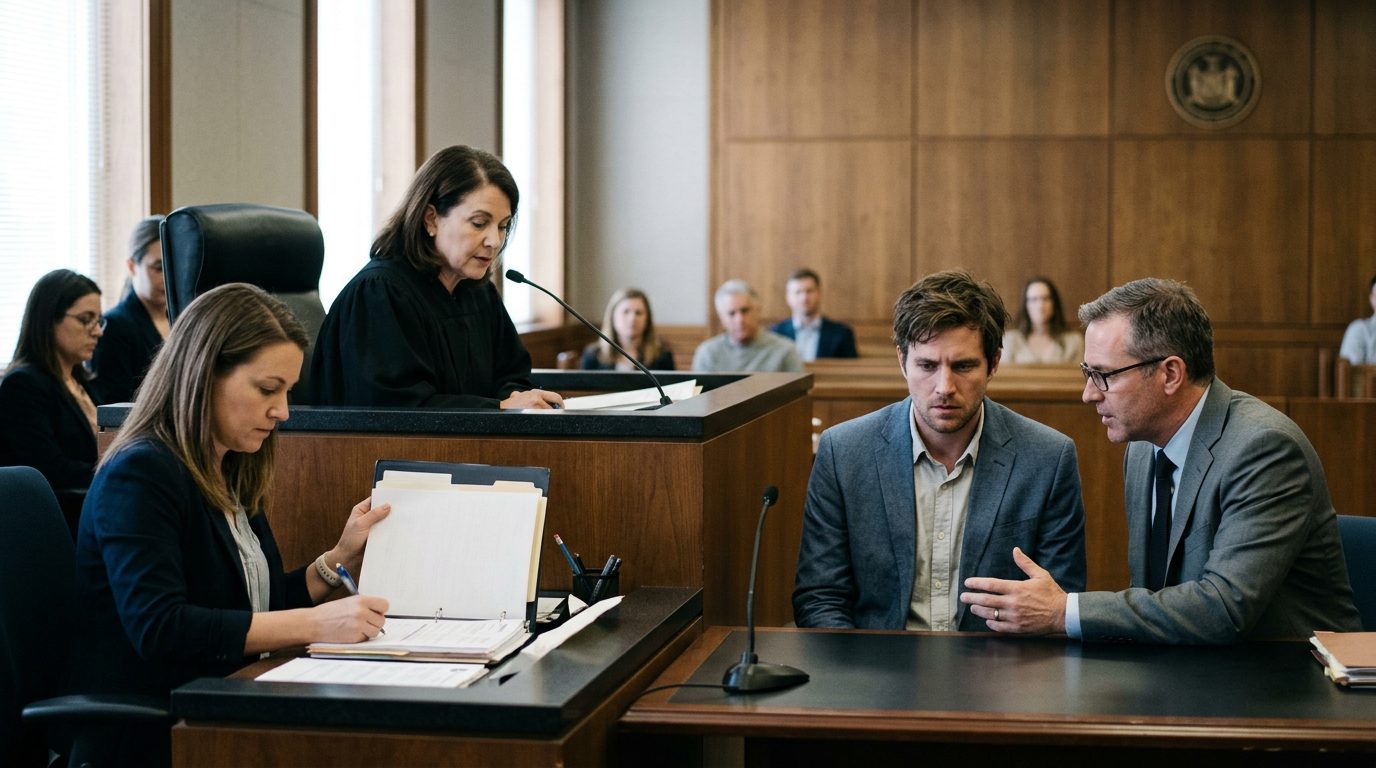
The process involves filing a petition in circuit court. A judge-appointed attorney represents the person subject to the petition. Medical professionals conduct an examination. A formal hearing follows where evidence is presented. The judge then decides whether the statutory criteria are met and whether to order involuntary admission.
This is where a Marchman Act attorney becomes valuable. The court has strict procedural rules, filing deadlines, and evidence standards. An attorney ensures your petition is complete, filed on time, and presented clearly to the judge. They handle the procedural burden so you can focus on your family during a stressful time.
What a Marchman Act Attorney Does
A Marchman Act attorney doesn’t make decisions for you—you do. Instead, they handle the legal mechanics and help you present your case effectively.
Filing and preparation. An attorney drafts the petition and ensures it meets all statutory requirements. They file it in the correct court. They verify that service is proper and that all required notices are given.
Evidence gathering. They work with you to collect medical records, substance use history, documentation of dangerous behavior, and statements from family members or witnesses. They organize this evidence so it tells a clear story to the judge.
Hearing representation. At the hearing, your attorney presents the evidence. They examine witnesses and make legal arguments about why the statutory criteria are met. They ensure your voice is heard and your concerns are understood by the court.
Procedural guidance. They explain what happens at each step and what to expect. They help you understand what the judge will consider. This reduces confusion and helps you prepare emotionally and practically.
Advocacy. Your attorney advocates for your position while the court weighs all evidence and hears from the court-appointed attorney representing the person subject to the petition.
Can You Handle a Marchman Act Petition Without an Attorney?
Technically, yes. Many families choose to work with an attorney when preparing a Marchman Act petition to help navigate the process. Many people file pro se (on their own).
However, the process is more complex than it appears. The petition must state specific facts that establish each element of the legal standard. Court rules require proper service on the respondent and other parties. Deadlines are strict. Evidence must be organized and presented in a way judges understand.
Mistakes happen. An incomplete petition may be rejected or require amendment, delaying the process. Improper service can invalidate the filing. Disorganized evidence may not persuade the judge, even if the facts support your position.
Beyond procedure, there’s the emotional reality. You’re in crisis—worried about your loved one, stressed, possibly grieving or angry. Navigating court rules, drafting legal documents, and presenting evidence clearly is hard to do alone. An attorney removes that burden so you can focus on what matters: your family and the next steps.
How Much Does Marchman Act Legal Representation Cost?
Costs vary depending on the complexity of your case and the attorney you choose. Some attorneys charge a flat fee for petition preparation and hearing representation. Others bill hourly. Costs may increase if your case involves complications—contested hearings, multiple witnesses, or complex medical evidence.
The investment is worth considering against the stakes. A delayed or dismissed petition means your loved one doesn’t get into treatment. An ineffective presentation may result in a judge denying your petition even if the facts support it. An attorney’s cost is often far less than the cost of continued substance use, crisis intervention, or emergency services.
Ask any attorney you consult about their fee structure upfront. Understanding costs helps you plan and make an informed decision.
What Happens During a Marchman Act Hearing?
The hearing is where your case is decided. Here’s what to expect:
The judge opens the hearing and explains the process. The court-appointed attorney representing the person subject to the petition may present arguments or evidence. Your attorney then presents your case: evidence of substance use, the danger it poses, and why involuntary admission is necessary. You may testify and answer questions from the judge and the respondent’s attorney.
The judge considers all evidence and the legal standard. They may ask questions to clarify facts or understand the situation better. At the end, the judge either grants the petition (ordering involuntary admission) or denies it.
Your attorney ensures your evidence is presented clearly. They organize answers and help your position be understood. They also protect your rights and the respondent’s rights throughout the process.
Not sure what your next step is?
Talk it through with our team — the first consultation is free, confidential, and carries no obligation.
Signs You Should Consult a Marchman Act Attorney
Consider reaching out to an attorney if any of these apply to you:
- Your loved one’s substance use is escalating or becoming dangerous.
- They refuse voluntary treatment or help from family.
- You are unsure about the legal process or whether a petition is the right option.
- You need guidance on what evidence to gather or how to file.
- You want professional representation at the hearing.
- You are facing resistance from family members, and you need someone to advocate on your behalf.
You don’t need to have all the answers. An attorney can help you figure out whether a Marchman Act petition makes sense for your situation and what the next steps look like.
Frequently Asked Questions
Is there a difference between the Marchman Act and the Baker Act?
Yes. The Marchman Act addresses substance use disorders. The Baker Act addresses mental health crises and involuntary psychiatric admission.
Can the person subject to a Marchman Act petition fight it?
Yes. The court-appointed attorney represents their interests and may argue against the petition. The judge hears both sides before deciding.
How long does the Marchman Act process take?
It varies. From petition filing to hearing typically takes days to a few weeks, depending on court schedules and case complexity.
What if the court denies the petition?
If the judge finds the statutory criteria are not met, the petition is denied. You may file again if circumstances change, but you cannot immediately refile the same petition.

Your Next Step
If you’re reading this, you’re likely in a difficult situation—worried about a loved one, uncertain about your options, and trying to figure out what comes next. That’s a lot to carry, and it’s normal to feel overwhelmed.
Consulting with an attorney doesn’t mean you have to file a petition or commit to anything. It means getting clear information about your options, understanding the process, and knowing what representation would look like in your specific situation. Many families find that clarity alone helps them decide what to do.
If your loved one’s substance use is escalating and you’re unsure about your legal options, reach out to Robinson & Casey. We handle Marchman Act petitions for South Florida families. We can discuss your situation, answer your questions, and help you understand what comes next. Call us at (561) 849-4149 or schedule a consultation to talk with an attorney today.
When You Might Need a Marchman Act Attorney
A loved one refuses treatment
If someone you care about is struggling with addiction and won't seek help on their own, a Marchman Act petition may allow the court to order evaluation and treatment.
Immediate intervention is necessary
Emergency situations sometimes require fast action.
You're unsure about your legal options
The Marchman Act is complex. An attorney can explain whether this tool fits your situation and what steps come next.
You need court representation
Filing a petition requires legal documents, court filings, and often a hearing. An attorney handles the paperwork and represents your interests in court.
Why Robinson & Casey
Focused Practice
We concentrate exclusively on Marchman Act petitions and guardianship matters. This focus means deep knowledge of the laws and processes that affect your case.
Serving South Florida and Statewide
Based in South Florida, we serve families across Miami-Dade and throughout Florida, handling both routine and emergency matters.
Available for Urgent Situations
Addiction crises don't wait. We understand the urgency and can move quickly when emergency intervention is needed.
Direct Access
Call us directly at (561) 849-4149 to discuss your situation and schedule a consultation with an attorney who focuses on your legal needs.
Marchman Act vs. Baker Act
These are two different legal tools. The Marchman Act addresses substance use disorders and allows for involuntary commitment for addiction treatment. The Baker Act addresses mental health crises and involuntary psychiatric admission. An attorney can help you understand which applies to your situation.
Types of Guardianship We Handle
Emergency Temporary Guardianship
When immediate protection is needed, an emergency temporary guardianship can be obtained quickly to address an urgent crisis while a full guardianship hearing is scheduled.
Plenary Guardianship
A full guardianship gives a guardian broad authority over the ward's person and/or estate. This is appropriate when someone cannot manage their own affairs.
Limited Guardianship
A limited guardianship grants specific powers only, allowing the ward to retain independence in other areas of life while receiving protection where needed.
Mental Health Guardianship
Guardianship tailored to protect someone with mental health challenges, ensuring they receive necessary care and support while their rights are preserved.