
Guardianship & Mental Health
Mental Health Guardianship in Florida: When & How It Works
Understand the legal process for obtaining guardianship when a loved one cannot make decisions about their mental health care.
By Richard J. Casey III, Esq. · Published September 21, 2026
Guardianship for Adults with Severe Mental Illness in Florida: When It’s Needed and How It Works
When a family member with severe mental illness can no longer make safe decisions about their medical care, finances, or daily living, guardianship for adults with severe mental illness in Florida becomes a legal tool to protect them. However, guardianship is not automatic—Florida law requires clear evidence that the person lacks functional capacity to manage their own affairs, and courts must choose the least restrictive option available.
This guide explains when guardianship becomes necessary, what types exist, how the Florida process works, and what alternatives you might consider first.

Not sure what your next step is?
Talk it through with our team — the first consultation is free, confidential, and carries no obligation.
When Severe Mental Illness May Require Guardianship
A diagnosis of mental illness alone does not trigger guardianship. Instead, Florida courts focus on whether the person can actually make and communicate decisions about their health, finances, and personal care—a concept called functional capacity.
Florida Statutes Chapter 744 defines incapacity not by diagnosis but by a person’s inability to manage property, make medical decisions, or care for themselves. Someone with schizophrenia, severe bipolar disorder, or untreated psychosis might retain full capacity in some areas while lacking it in others. The court’s job is to determine what the person can and cannot do, not simply to label them as mentally ill.
Signs that guardianship may become necessary include:
- Inability to understand the consequences of decisions. Your loved one cannot grasp what will happen if they refuse medication or spend all their savings on one purchase.
- Repeated dangerous choices despite warnings. They make decisions that put their health or safety at serious risk, and they do not learn from past harm.
- Inability to communicate preferences or understand information. Even when information is explained clearly, they cannot retain or use it to make decisions.
- Neglect of basic self-care. They cannot or will not manage hygiene, nutrition, or medical appointments, and this neglect creates serious risk.
- Vulnerability to exploitation. Severe mental illness may leave them unable to recognize or resist financial or physical abuse.
A medical evaluation by a physician or psychologist is essential. The evaluator assesses whether the person understands their condition, grasps the consequences of their choices, and can communicate decisions—not whether they have a particular diagnosis.
Types of Guardianship Available in Florida
Florida law offers three main forms of guardianship, each suited to different levels of incapacity.
Plenary guardianship grants the guardian full authority over both the person (medical, residential, and personal decisions) and the estate (finances and property). It is used when the person lacks capacity across most or all areas of life. A plenary guardian makes decisions about where the ward (the person under guardianship) lives, what medical treatment they receive, and how their money is spent.
Limited guardianship gives the guardian authority only over specific areas where the person lacks capacity. For example, a court might grant authority over medical decisions but not finances, or vice versa. This type preserves the person’s autonomy and dignity in areas where they retain capacity. If your loved one can manage their daily routine and understand financial basics but cannot make sound medical decisions due to psychosis, limited guardianship over health matters may be appropriate.
Emergency temporary guardianship is a short-term measure used when immediate protection is needed before a full guardianship hearing can take place. It lasts only until the court holds an incapacity hearing, typically within a few weeks. This option exists for situations where delay would create serious risk—for example, if someone is refusing life-saving medical treatment or is in immediate danger.
The court determines which type fits by examining the person’s actual incapacities. The least-restrictive-alternative principle means that if a less invasive option—such as a power of attorney or healthcare proxy—can adequately protect the person, the court will not impose full guardianship.
The Florida Guardianship Process for Mental Illness Cases
Establishing guardianship in Florida involves several steps and requires strict compliance with legal procedures.
Who can petition. Family members, close relatives, or other interested parties (such as a healthcare provider or social worker) can file a petition for guardianship with the court.
Medical evaluation. Before the court will consider the petition, the alleged incapacitated person must be evaluated by a physician or psychologist. This evaluation is not a general mental health assessment—it focuses on the person’s functional capacity to manage decisions. The evaluator must provide a written report to the court.
Court filing and notice. The petitioner files the guardianship petition with the court and must notify the person subject to guardianship, their family members, and sometimes the Department of Children and Family Services. The person has the right to know that guardianship is being sought.
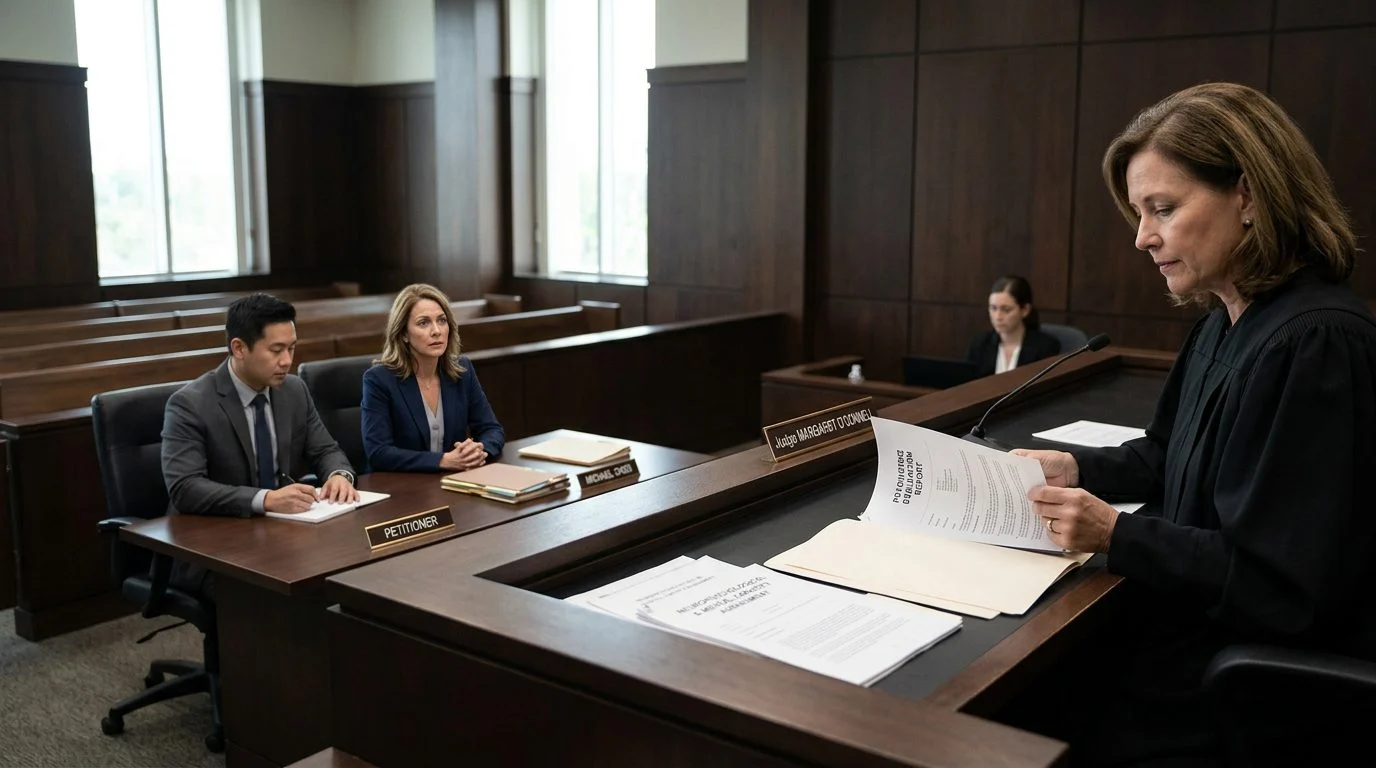
The incapacity hearing. The court holds a hearing where evidence is presented. The alleged incapacitated person has the right to attend, to be represented by an attorney, and to present their own evidence or witnesses. The petitioner must prove incapacity by clear and convincing evidence—a high legal standard that protects individuals from unnecessary guardianship.
What the court examines. The judge focuses on the person’s functional abilities: Can they understand information about their condition? Can they weigh the risks and benefits of treatment? Can they communicate a choice? Can they manage their finances? The court is not asking whether the person has a mental illness; it is asking whether that illness (or any other condition) prevents them from making safe decisions.
Timeline. From petition to final guardianship order typically takes several weeks to a few months, depending on whether the person contests the guardianship and whether the court needs additional evaluations.
Legal Standards: What Florida Courts Look For
Florida Statutes Chapter 744 sets the legal framework. Incapacity must be proven by clear and convincing evidence—a standard higher than a simple preponderance (more likely than not) but lower than proof beyond a reasonable doubt. This protects the person from guardianship based on speculation or minor impairment.
The court focuses on functional ability, not diagnosis. Two people with the same psychiatric diagnosis may have very different capacities. One person with bipolar disorder may manage their finances and medical decisions independently; another may be unable to do either. The court examines what the individual person can actually do.
The least-restrictive-alternative principle requires the court to consider whether guardianship is truly necessary or whether a less invasive option would work. If the person can be protected through a power of attorney, a healthcare proxy, or voluntary mental health treatment, the court may decline to impose guardianship.
Have questions about what happened?
Ask our team directly. The first conversation is free, confidential, and there is no obligation to continue.
Guardianship vs. Other Options for Mental Health Support
Before pursuing guardianship, it is worth exploring whether other legal tools or treatment options can meet your loved one’s needs.
Voluntary mental health treatment. If your loved one is willing to engage in treatment—outpatient therapy, medication management, or hospitalization—guardianship may not be necessary. Many people with severe mental illness benefit from consistent treatment without court involvement.
Power of attorney or healthcare proxy. If your loved one still has capacity to understand and sign these documents, a financial power of attorney or healthcare proxy can give you authority to make specific decisions without the formality and court oversight of guardianship. These are less restrictive and preserve more autonomy.
HIPAA authorization. A simple signed authorization allows healthcare providers to share medical information with you, so you can stay informed about treatment without guardianship.
Involuntary mental health commitment. In Florida, if someone is in acute psychiatric crisis and poses a danger to themselves or others, they can be involuntarily hospitalized for evaluation and stabilization. This is a short-term measure, not a permanent legal arrangement.
Why guardianship may still be necessary. If your loved one refuses treatment, lacks insight into their condition (does not believe they are ill), or repeatedly makes dangerous decisions despite warnings, guardianship may be the only tool that allows you to intervene. Guardianship gives you the legal authority to make decisions on their behalf when they cannot or will not do so safely.
Ongoing Responsibilities and Limitations of a Guardian
Once guardianship is established, the guardian takes on significant legal duties.
Duty to act in the best interest of the ward. The guardian must make decisions that protect the ward’s health, safety, and well-being—not decisions that benefit the guardian or are merely convenient.
Court oversight. The guardian must file annual reports with the court documenting decisions made, the ward’s condition, and how any estate funds have been managed. The court can remove a guardian who fails in these duties or acts against the ward’s interests.
Limitations on authority. Even a plenary guardian cannot make certain decisions. A guardian cannot authorize marriage, cannot typically authorize voting (unless the guardianship order specifically addresses this), and cannot make decisions about the ward’s will or major life choices unilaterally in all cases. The guardian’s authority is defined by the court’s order.
Right to restoration. The ward has the right to petition the court to restore their rights if they regain capacity. If your loved one stabilizes on medication and demonstrates the ability to make safe decisions, guardianship can be terminated.
Why Legal Guidance Matters
Guardianship is a significant legal step with lasting consequences for the individual. Procedural mistakes—such as failing to provide proper notice, presenting insufficient medical evidence, or not following Florida’s specific filing requirements—can result in the guardianship being challenged or invalidated.
Medical evidence must be properly presented to the court. An evaluator’s report that simply restates a diagnosis without addressing functional capacity will not meet the legal standard.
Understanding whether limited or plenary guardianship is appropriate requires careful legal analysis of your loved one’s actual incapacities. Pursuing plenary guardianship when limited guardianship would suffice removes more autonomy than necessary.
An attorney experienced in guardianship and mental health law can help your family navigate the process, ensure all procedural requirements are met, gather the right medical evidence, and determine which type of guardianship—or alternative option—best protects your loved one while preserving their dignity and rights.

Frequently Asked Questions
What is the difference between plenary and limited guardianship?
Plenary guardianship grants authority over all major decisions (medical, financial, and personal); limited guardianship grants authority only over specific areas where the person lacks capacity, preserving their autonomy in other domains.
Can someone with a mental illness diagnosis avoid guardianship?
Yes. A diagnosis alone does not trigger guardianship. If the person can understand decisions and their consequences, or if less restrictive options like power of attorney work, guardianship may not be necessary.
How long does the guardianship process take in Florida?
From petition to final order typically takes several weeks to a few months, depending on whether the person contests the guardianship and whether additional evaluations are needed.
Can a guardianship be terminated if the person recovers?
Yes. If the person regains capacity, they can petition the court to restore their rights, and the guardianship can be terminated.
What medical evidence is needed to establish guardianship?
A physician or psychologist must evaluate the person and provide a written report to the court addressing their functional capacity to make decisions—not simply their diagnosis.
If you’re watching a loved one with severe mental illness struggle to make safe decisions about their health or finances, you’re navigating a difficult and often uncertain situation. Families facing this challenge reach out regularly to understand whether guardianship is the right step, what the process looks like, and whether other legal options might work instead. Robinson & Casey handles mental health guardianship cases across Florida and can help you understand your options. Contact us for a consultation to discuss your family’s specific circumstances.
Types of Mental Health Guardianship
Plenary Guardianship
Grants the guardian authority over all major decisions—medical, financial, and personal—when the person is unable to make any significant choices independently.
Limited Guardianship
Grants authority only in specific areas where the person lacks capacity, such as mental health treatment decisions, while preserving their autonomy in other domains.
Emergency Temporary Guardianship
Provides immediate protective authority when urgent mental health decisions are needed and there is no time for standard guardianship proceedings.
Mental Health Guardianship
Focuses specifically on decisions related to psychiatric care, medication, hospitalization, and treatment when a person cannot make these choices safely.
Want to know where you stand?
Tell us what happened and our team will walk you through the options available to you, at no cost.
Why Mental Health Guardianship Matters
Legal Authority to Protect
Guardianship gives you the legal right to make mental health decisions on behalf of your loved one when they cannot do so themselves.
Court-Ordered Oversight
The court process ensures decisions are made in the person's best interest and provides ongoing accountability and protection.
Access to Treatment
With guardianship authority, you can authorize psychiatric care, medication management, and hospitalization when medically necessary.
Clear Decision-Making
Guardianship removes ambiguity about who can make decisions and eliminates delays when urgent mental health care is needed.
Important Distinction
A mental illness diagnosis alone does not automatically result in guardianship. The court must find that the person lacks the capacity to make decisions about their mental health care. Robinson & Casey can help you understand whether guardianship is appropriate for your situation.
The Mental Health Guardianship Process
Petition & Documentation
File a guardianship petition with the court, supported by medical evidence and documentation of the person's inability to make mental health decisions.
Court Evaluation
The court reviews the petition, may appoint an attorney or guardian ad litem to represent the person, and evaluates whether guardianship is necessary.
Hearing & Determination
A judge holds a hearing to determine if guardianship is warranted and, if so, whether plenary or limited guardianship is appropriate.
Ongoing Guardianship
Once appointed, the guardian has authority to make mental health decisions and must file annual accountings with the court.
Ready to Move Forward?
Related practice areas
- Mental Health Guardianship in Florida: Complete Guide for Families
- Mental Health Guardianship in National
- Mental Health Guardianship in Miami Dade
- Guardian for Mentally Disabled Adults in Florida