
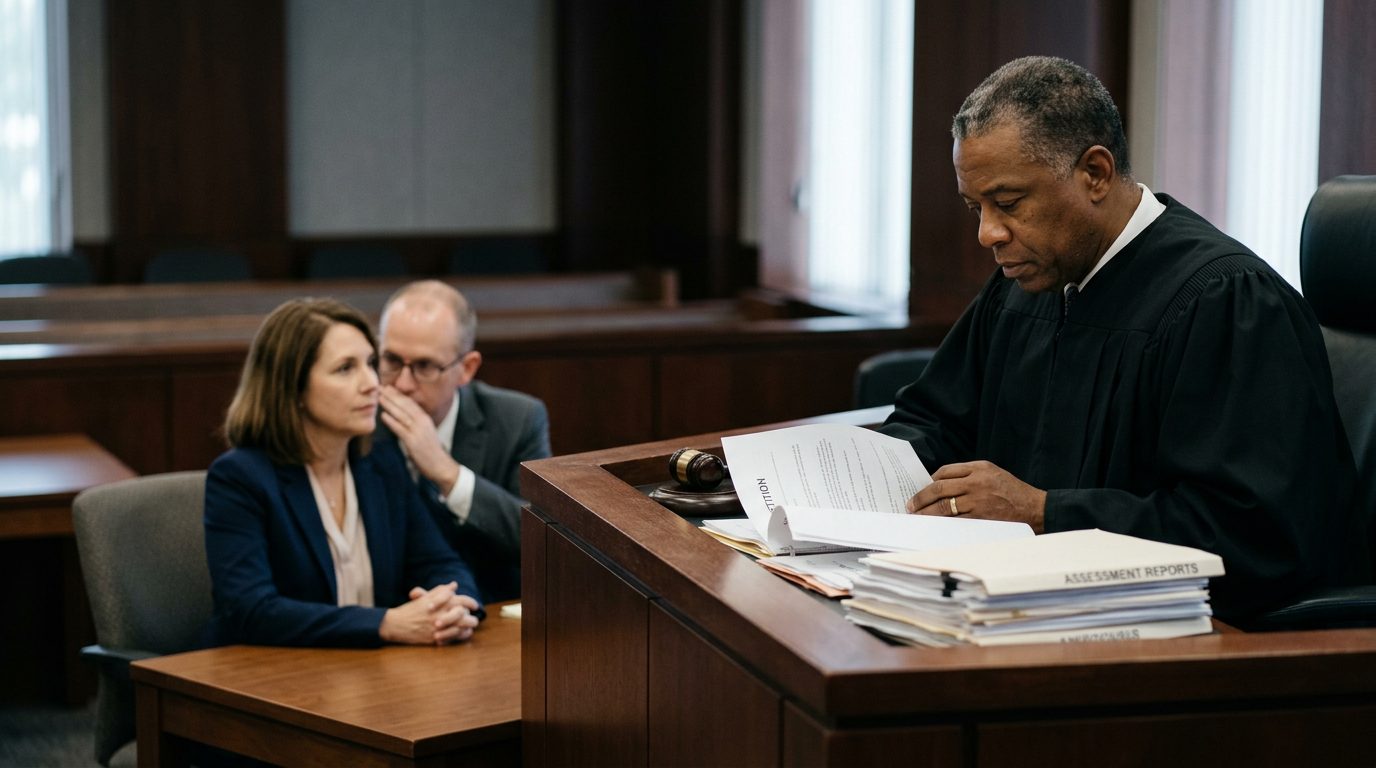
Involuntary Commitment for Addiction
Renew Your Involuntary Commitment for Addiction in Florida
Robinson & Casey handles renewal petitions to maintain court-ordered addiction treatment. Call us to protect your loved one's recovery.
By Richard J. Casey III, Esq. · Published September 23, 2026
Renew or Extend Involuntary Commitment for Addiction in Florida
When an involuntary commitment order for addiction is set to expire, you may need to file a renewal petition to extend the commitment and continue treatment. Robinson & Casey handles involuntary commitment renewals under Florida’s Marchman Act, guiding families and guardians through the legal process before expiration dates arrive.
If your loved one's commitment order is approaching expiration and you're concerned about relapse without continued treatment, people in your situation reach out to discuss renewal options. Talk it through with our team — the first consultation is free, confidential, and carries no obligation.
What Is Involuntary Commitment Renewal for Addiction?
Renewing an involuntary commitment means filing a legal petition to extend an active commitment order beyond its current expiration date. This is a separate legal process from the initial commitment and has its own procedural requirements under Florida Statutes Chapter 397, the Marchman Act.
An involuntary commitment order typically lasts six months. When that period is ending and the person still meets commitment criteria—meaning they continue to struggle with substance use disorder and may pose a danger to themselves or others—a renewal petition asks the court to issue a new commitment order with a new expiration date. Without renewal, the commitment automatically expires and the person is released, even if treatment remains incomplete or relapse risk remains high.
Family members, guardians, treatment facilities, and law enforcement can all petition for renewal. The renewal process requires clear and convincing evidence that the person still meets the legal standard for commitment under Florida law.
Who Needs to Renew an Involuntary Commitment?
Renewal is necessary when:
- A family member is concerned that without continued commitment, their loved one will relapse or return to substance use after the current order expires.
- A guardian is managing ongoing care and treatment for someone with severe addiction and wants to maintain the legal framework of commitment.
- A treatment facility or provider recommends continued commitment because the person has not achieved sufficient stability or has shown non-compliance with treatment.
- The commitment order is approaching expiration and the individual’s condition has not improved enough to safely release them into the community.
- Relapse risk remains high despite months of treatment; the person may benefit from the structure and legal authority of continued commitment.
If you’re unsure whether renewal is the right step, an attorney can review the current commitment order and the person’s progress in treatment to advise you.
What the Renewal Process Covers
Robinson & Casey handles the full scope of renewal work:
- Legal petition preparation and filing with the appropriate Florida court in the county where the original commitment was filed.
- Evidence gathering and organization, including medical records, treatment progress reports, clinical assessments, and documentation of relapse risk or ongoing substance use.
- Coordination with treatment providers and medical professionals to obtain statements and records supporting continued commitment.
- Representation at the renewal hearing, presenting evidence and arguments for why commitment should continue.
- Documentation of why less-restrictive alternatives are insufficient, as Florida law requires courts to consider alternatives before approving renewal.
- Notice and service on the respondent (the person whose commitment is being renewed) and their attorney, if represented.
How the Renewal Process Works: Step-by-Step
Step 1: Assess the Current Commitment Order and Expiration Date
Review the existing commitment order to confirm its expiration date. Renewal petitions should be filed well in advance—typically 30 to 60 days before expiration—to allow time for the court process and avoid a gap in the commitment order.
Step 2: Gather Medical Records and Clinical Evidence
Collect the person’s treatment records, progress notes, psychiatric or medical evaluations, and any documentation of substance use, non-compliance, or relapse since the current commitment began. This evidence forms the foundation of your renewal petition.
Step 3: Determine Grounds for Renewal
Renewal must be based on clear and convincing evidence that the person still meets commitment criteria. Grounds typically include:
- Continued substance use disorder or active addiction.
- Risk of relapse if commitment ends.
- Non-compliance with treatment or court orders.
- Danger to self or others.
- Inability to care for oneself due to addiction.
Step 4: File the Renewal Petition with the Court
Your attorney files the renewal petition with the court in the county where the original commitment was issued. The petition includes the evidence and legal arguments for why renewal is necessary.
Step 5: Serve Notice on the Respondent and Required Parties
The respondent (the person whose commitment is being renewed) and their attorney must be notified of the renewal petition. Florida law requires proper notice so the respondent has an opportunity to contest the renewal.
Step 6: Prepare for the Renewal Hearing
Florida courts typically schedule renewal hearings within 5 business days of petition filing. This expedited timeline makes early preparation essential. Your attorney will prepare witnesses, organize evidence, and develop arguments for the hearing.
Step 7: Present Evidence and Testimony at the Hearing
At the hearing, held before a judge, your attorney presents evidence supporting renewal. Medical or clinical witnesses may testify about the person’s condition, treatment progress, and ongoing commitment needs. The respondent has the right to contest the renewal and present their own evidence.
Step 8: Obtain the Court’s Order
If the judge finds clear and convincing evidence that renewal is warranted, a new commitment order is issued with a new expiration date, typically six months from the date of the order.
Timeline: The entire renewal process typically takes 1 to 2 weeks from filing to hearing, depending on court scheduling and evidence preparation.
Legal Requirements for Renewal
Florida law sets specific requirements for renewal petitions. You must demonstrate:
- Clear and convincing evidence that the person still meets the criteria for involuntary commitment—a higher legal standard than “preponderance of the evidence.”
- Current substance use disorder or relapse risk, not merely past addiction.
- That less-restrictive alternatives are insufficient to protect the person or the public. This may include outpatient treatment, sober living arrangements, or increased monitoring.
- Medical or clinical assessment from a qualified professional supporting the need for continued commitment.
- Proper notice to the respondent and their attorney, if represented, at least 3 days before the hearing.
- Compliance with Florida Statutes § 397.675, which governs renewal procedures under Florida’s guardianship and protective arrangements standards.
Courts take the burden of proof seriously. Vague or outdated evidence is unlikely to support renewal. Your attorney will ensure that the evidence presented is current, specific, and legally sufficient.
Not sure what your next step is?
Talk it through with our team — the first consultation is free, confidential, and carries no obligation.
What to Expect at the Renewal Hearing
The renewal hearing is a formal court proceeding, but it’s typically brief if preparation is thorough.
- The hearing is held before a judge in the county courthouse where the original commitment was filed.
- Your attorney or a family member presents evidence of why the person still meets commitment criteria. This may include testimony from treatment providers, medical professionals, or family members.
- The respondent has the right to be present and to contest the renewal with their own evidence or attorney.
- The judge asks questions to clarify the evidence and assess whether the legal standard for renewal is met.
- If the judge approves renewal, a new commitment order is signed, extending the commitment for another period (typically six months).
- If the judge denies renewal, the commitment expires and the person is released, though a new initial petition could be filed later if circumstances change.
The hearing usually lasts 15 to 45 minutes, but the outcome depends entirely on the strength of the evidence presented.
Why Robinson & Casey for Involuntary Commitment Renewal
Robinson & Casey focuses exclusively on Marchman Act petitions and involuntary commitment matters. This focused practice means:
- Deep familiarity with Florida’s renewal procedures and the specific legal standards courts apply.
- Experience navigating local courts across South Florida and statewide, including knowledge of individual judges’ expectations and procedural preferences.
- Understanding of the medical and clinical evidence needed to meet the “clear and convincing” standard.
- Coordination with treatment providers to obtain necessary documentation and expert input.
- Efficient handling of time-sensitive filings to ensure petitions are filed before expiration dates and hearings are fully prepared.
- Representation that reduces stress for families managing addiction crises and legal processes simultaneously.
Common Questions About Involuntary Commitment Renewal
How long before expiration should I file a renewal petition?
File as soon as you know renewal is needed, typically 30 to 60 days before expiration, to allow time for court scheduling and avoid gaps in the commitment order.
Can a renewal petition be denied?
Yes. If the court finds insufficient evidence that the person still meets commitment criteria, the renewal will be denied and the commitment will expire.
What if the person objects to the renewal?
They have the right to contest it. The court will hear evidence from both sides before deciding whether renewal is warranted.
How long does a renewed commitment order last?
Typically six months, though the judge may set a different duration based on the circumstances and the person’s treatment progress.
Can I renew an involuntary commitment multiple times?
Yes. Renewals can be filed repeatedly as long as the person continues to meet commitment criteria and clear and convincing evidence supports renewal.
What happens if I don’t renew before the current order expires?
The commitment automatically expires and the person is released. If commitment becomes necessary again later, a new initial petition would need to be filed, which is a more involved process than renewal.
Do I need an attorney to file a renewal petition?
While you can file without an attorney, the legal and procedural requirements are complex. An attorney ensures that the petition meets all requirements, evidence is properly organized, and your case is presented effectively at the hearing.
Next Steps: Schedule Your Consultation
If your loved one’s commitment order is approaching expiration and you’re concerned about relapse or continued treatment needs, contact Robinson & Casey to discuss renewal options. Bring the current commitment order and any recent medical or treatment records to your consultation.
During your initial conversation, an attorney will:
- Review the current commitment order and expiration date.
- Assess the person’s current condition and treatment progress.
- Explain the renewal process and timeline.
- Discuss the evidence needed to support renewal.
- Answer your questions about costs and next steps.
Call (561) 849-4149 or schedule a consultation to speak with an attorney about renewing your involuntary commitment order before it expires.
Timing Matters
File your renewal petition 30 to 60 days before the current commitment order expires. Waiting too long risks a gap in the court's authority to enforce treatment.
The Renewal Process
Gather Current Evidence
Collect medical records, treatment reports, and documentation showing that your loved one still meets the criteria for involuntary commitment under Florida law.
File the Petition
Robinson & Casey prepares and files your renewal petition with the court, ensuring all required elements are included and deadlines are met.
Court Review
The court examines the evidence to determine whether continued commitment is necessary. A renewal may be granted, modified, or denied based on current circumstances.
Maintain the Order
Once renewed, the commitment order remains in effect, allowing treatment providers and family to enforce the court's mandate for ongoing care.
Why Work With Robinson & Casey
Focused Practice
We focus exclusively on Marchman Act petitions and guardianship matters. Renewal petitions are part of our core work.
Deadline Management
We track expiration dates and file renewals on time, preventing gaps in the court's authority to enforce treatment.
Family Advocacy
We understand the challenges families face when a loved one struggles with addiction. We work to protect their recovery through the legal system.
Direct Access
Call us at (561) 849-4149 to speak with an attorney about your renewal needs. We serve families across South Florida and statewide.
Common Questions About Renewal
When should I file a renewal petition?
File as soon as you know renewal is needed, typically 30 to 60 days before expiration, to allow time for court scheduling and avoid gaps in the commitment order.
Can a renewal petition be denied?
Yes. If the court finds insufficient evidence that the person still meets commitment criteria, the renewal may be denied. We help you present the strongest case based on current circumstances.
What evidence do I need?
Medical records, treatment progress reports, behavioral observations, and documentation of ongoing addiction or risk are typically required. We guide you on what to gather.
How long does the renewal process take?
Timeline varies by court and case complexity. We file promptly and coordinate with the court to move your petition forward efficiently.
Ready to Renew the Commitment Order?
Related practice areas
- Involuntary Commitment for Addiction in Florida
- Challenge or Appeal an Involuntary Commitment Addiction Order | Robinson & Casey
- Involuntary Commitment Addiction Hearing Representation FL