
Marchman Act & Guardianship | Miami-Dade & South Florida
Helping Your Family Member Through Addiction in Florida: Know Your Legal Options
Robinson Casey focuses exclusively on Marchman Act petitions and guardianship matters for families across South Florida and statewide. Start with a free, confidential first consultation.
By Richard J. Casey III, Esq. · Published October 17, 2026
Where You Are Right Now
Stay calm, speak about specific facts, set limits you will keep, and keep the door open to treatment. That is the core of how to deal with a drug addict family member.
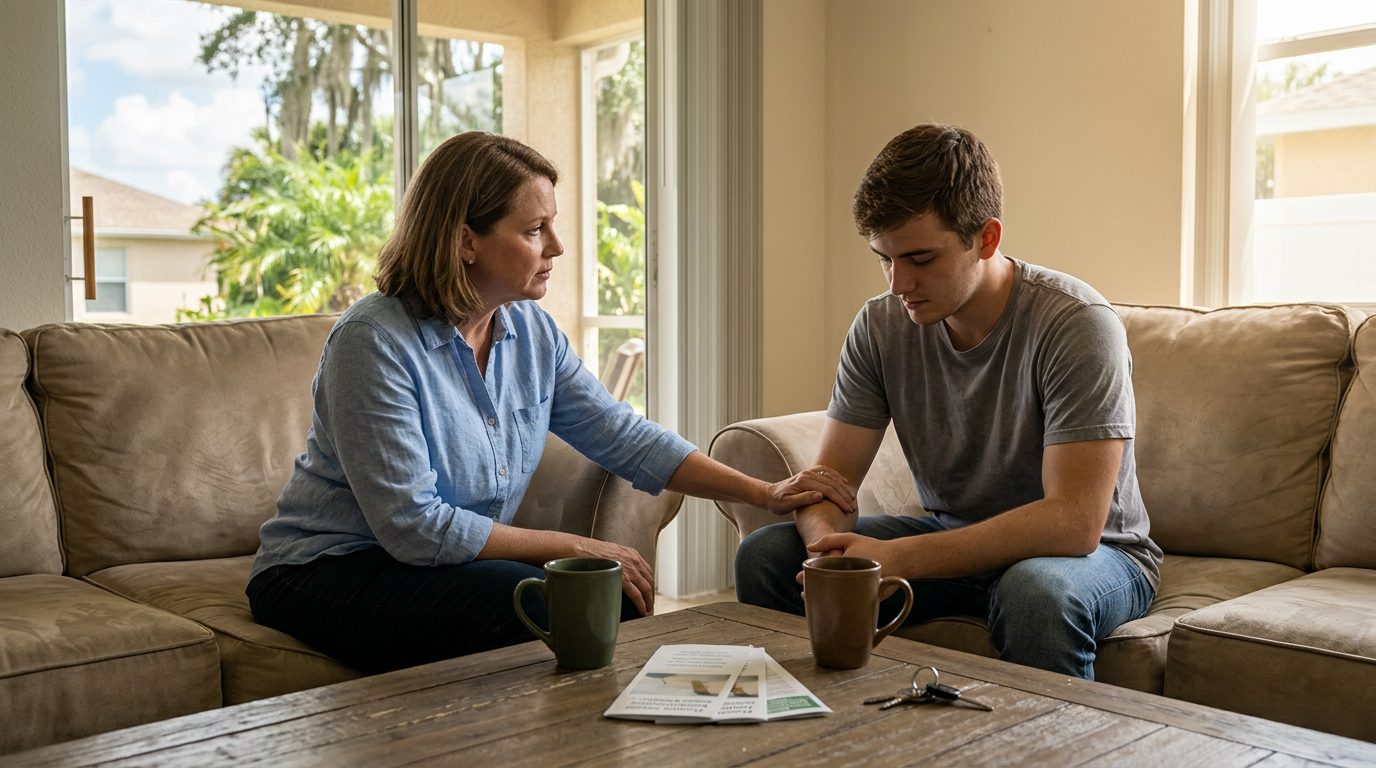
If you are reading this late at night, you may be a parent, spouse, adult child, or sibling. Someone you love uses drugs, and each phone call or missed day brings fresh worry. It’s hard to know what to do next.
Many families search for answers while the person has not asked for help. That makes every decision harder. You may feel responsible for fixing something you did not cause.
This guide covers how to talk with the person, how to set limits without cutting them off, how to encourage treatment, and what Florida law offers when someone refuses care or is in danger. It also explains when to act quickly.
Robinson & Casey limits its practice to Marchman Act and guardianship matters in Florida. Richard J. Casey III, Esq. is the responsible lawyer for this page.
If a Marchman Act or guardianship question is weighing on you while your family member keeps using, our team is ready to talk it through in confidence. Talk it through with our team — the first consultation is free, confidential, and carries no obligation.
Understanding What Addiction Does to Behavior
Drug use can change how a person thinks, decides, and reacts to consequences. That change often makes reasoning and promises hard to rely on.
The “Three C’s” are a family framework, not a medical rule. They say you did not cause the drug use, you can’t control it, and you can’t cure it. Many families find this reduces self-blame.
Reasoning, promises, and threats often fail when someone is intoxicated or going through withdrawal. Under Fla. Stat. § 397.675, a simple refusal of services does not by itself show a lack of judgment about needing them.
Drug use often shows up alongside mental health conditions. Families may notice mood swings, poor sleep, or pulling away from friends at the same time. The statute recognizes this overlap, describing a person who has a substance use disorder and a co-occurring mental health disorder.
What to Say to Someone Who Uses Drugs
Use calm, specific statements. Describe what you saw and how it affected you. Avoid lectures about the person’s character.
Pick your moment. Talk when the person is sober and not in crisis. Keep the talk short, and avoid arguments in front of children or during a confrontation.
A simple three-part structure works well. First, state your concern. Second, name one change you want. Third, ask what would help them take a first step.
For example: “I’m worried about the nights you don’t come home. I need you to tell me when you’re using so I’m not guessing. What would help you call a doctor this week?”
A first talk may bring anger or denial. That does not mean it failed. Its job is to open the next conversation, not to win an immediate yes.
Keep your words consistent. Mixed messages make it harder for the person to hear you.
Setting Boundaries Without Cutting Someone Off
Enabling means doing things that shield a person from the results of their drug use. Boundaries are limits that stop that shielding while you stay in the relationship. Setting boundaries is one part of how to deal with a drug addict family member.
Common signs of enabling include paying bills that free up cash for drugs, covering for missed work, lending money you suspect will go to drugs, and making excuses to others.
Boundaries are statements about what you will do. For example: “I won’t give cash, and drugs won’t be used in my home.” They are not ultimatums meant to control the person. Then follow through.
Boundaries protect your safety and finances. They do not mean you have stopped caring. Partnership to End Addiction describes family therapy as built on engagement, coached behavior changes, and constructive limits.
Decide your limits before a crisis. Holding them is much harder when the person is pleading in the moment.
How to Encourage an Addict to Get Help
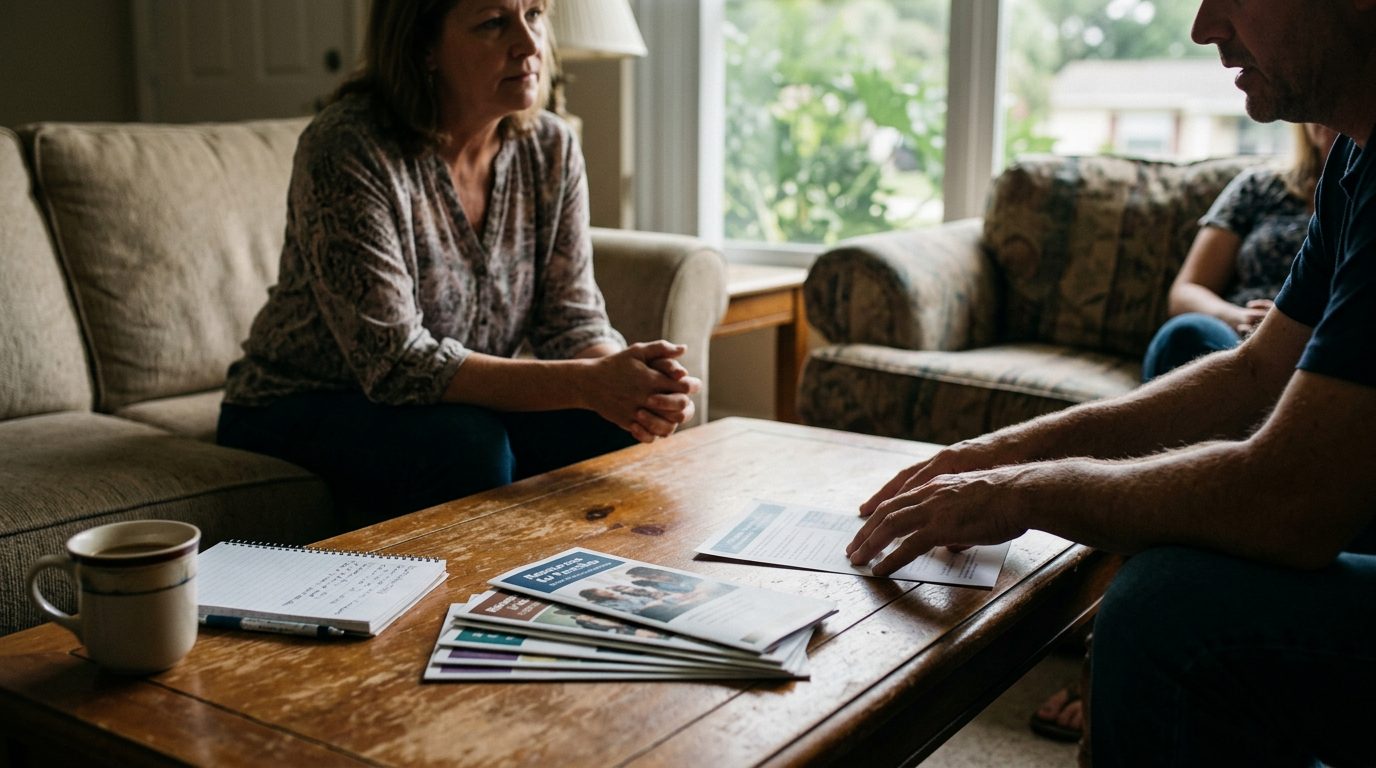
Encourage an evaluation first, then offer to help with the first step. Name specific options, such as a medical assessment, outpatient care, residential care, or peer support.
Florida regulates substance use treatment providers. The Florida Department of Children and Families describes licensed services that include intervention, detox, outpatient, inpatient, residential, and aftercare.
Treatment needs can change. The American Society of Addiction Medicine supports individualized, needs-based treatment, with intensity that may change as symptoms improve or worsen.
Offer to make the first call with them, or to sit with them while they call. Keep the request simple and free of pressure.
Planned family conversations, sometimes called interventions, take many forms. A professional can help plan one. Family members can also get support of their own. Partnership to End Addiction describes family therapy as a way for relatives to respond to use with engagement and coached changes.
Keep a simple record. Write down dates, incidents, and requests for help. If a legal question comes up later, these notes help a lawyer understand the facts.
When the Person Refuses Help or Is in Danger
If someone faces an overdose, a medical emergency, or immediate risk of harm, call 911 right away. Court processes come after immediate safety.
Florida offers more than one pathway. The Marchman Act covers substance use. The Baker Act covers mental illness, and a person may be taken for involuntary examination under Fla. Stat. § 394.463 when its criteria are met. Which law fits depends on the facts.
For substance use, a Marchman Act petition may be filed by a spouse or legal guardian, any relative, a service provider, or an adult with direct personal knowledge of the impairment.
The petition goes to the clerk of the court in the county where the person is located. The clerk may not charge a filing fee for it under Fla. Stat. § 397.681.
The respondent has the right to counsel at every stage. A respondent who cannot afford private counsel may receive court-appointed counsel under the same section.
The court must schedule a hearing within 10 court working days unless a continuance is granted, under Fla. Stat. § 397.68151. If the court finds the conditions proved by clear and convincing evidence, it may order involuntary treatment for up to 90 days under Fla. Stat. § 397.697.
In J.C. v. State, the court explained that it failed to follow the applicable statute by essentially functioning as the absent petitioner. In J.C. v. State, the court reversed an order where the trial judge called and examined the only witness while the petitioner was absent. The Fourth District has ruled differently on a related question.
Robinson & Casey limits its practice to Marchman Act and guardianship matters. If your situation falls outside those areas, another lawyer or firm may handle it.
Not sure what your next step is?
Talk it through with our team — the first consultation is free, confidential, and carries no obligation.
Taking Care of Yourself While You Decide Your Next Step
Looking after yourself helps you think clearly about the next step. Caregivers often lose sleep, feel anxious, and see strain on other relationships.
Some steps help right away. Keep your own medical and counseling appointments. Limit how much time you spend tracking the person’s whereabouts. Choose one trusted person to talk with.
Think about what you need now. Is there a risk of harm? Is the person refusing care? Are you facing questions about a court petition or a guardianship?
If a Marchman Act or guardianship question is weighing on you, call (561) 849-4149 or use the contact page to set up a confidential conversation with our team. The first consultation is free, confidential, and carries no obligation to continue.
Frequently Asked Questions
Who can file a Marchman Act petition in Florida?
Under Fla. Stat. § 397.68112, a spouse, legal guardian, relative, service provider, or adult with direct personal knowledge can file. The petition names the person as the respondent.
Where is a Marchman Act petition filed?
It is filed with the clerk of the court in the county where the person is located. The clerk may not charge a filing fee for it.
What should you do first if someone is in danger?
Call 911 right away. Legal steps come after immediate safety is addressed.
Legal paths families ask about
Marchman Act Petition
A Florida civil process for seeking court-ordered assessment and treatment for a person whose substance use is harming their safety or the safety of others.
Involuntary Commitment for Addiction
Court-ordered treatment for substance use disorder, handled through the Marchman Act framework, with attention to each family's circumstances.
Why families start with Robinson Casey
Focused practice
Robinson Casey limits its practice to Marchman Act petitions and guardianship matters, so every consultation centers on these issues.
Compassionate guidance
Addiction affects the whole household. We listen carefully and explain each option in plain language.
Confidential first consultation
Your free first consultation is confidential and carries no obligation to continue.
Dedicated support staff
Our team of assistants and office staff helps families with scheduling, documents, and court deadlines so you are never left guessing.
Do not wait for a crisis
If someone is in immediate danger, call 911 first. Families who understand their legal options before an emergency are better prepared to respond when a situation escalates.