

Marchman Act | Miami-Dade & South Florida
Robinson Casey focuses on Marchman Act petitions and guardianship matters for families across South Florida. Get clear answers about involuntary treatment for addiction.
By Richard J. Casey III, Esq. · Published October 21, 2026
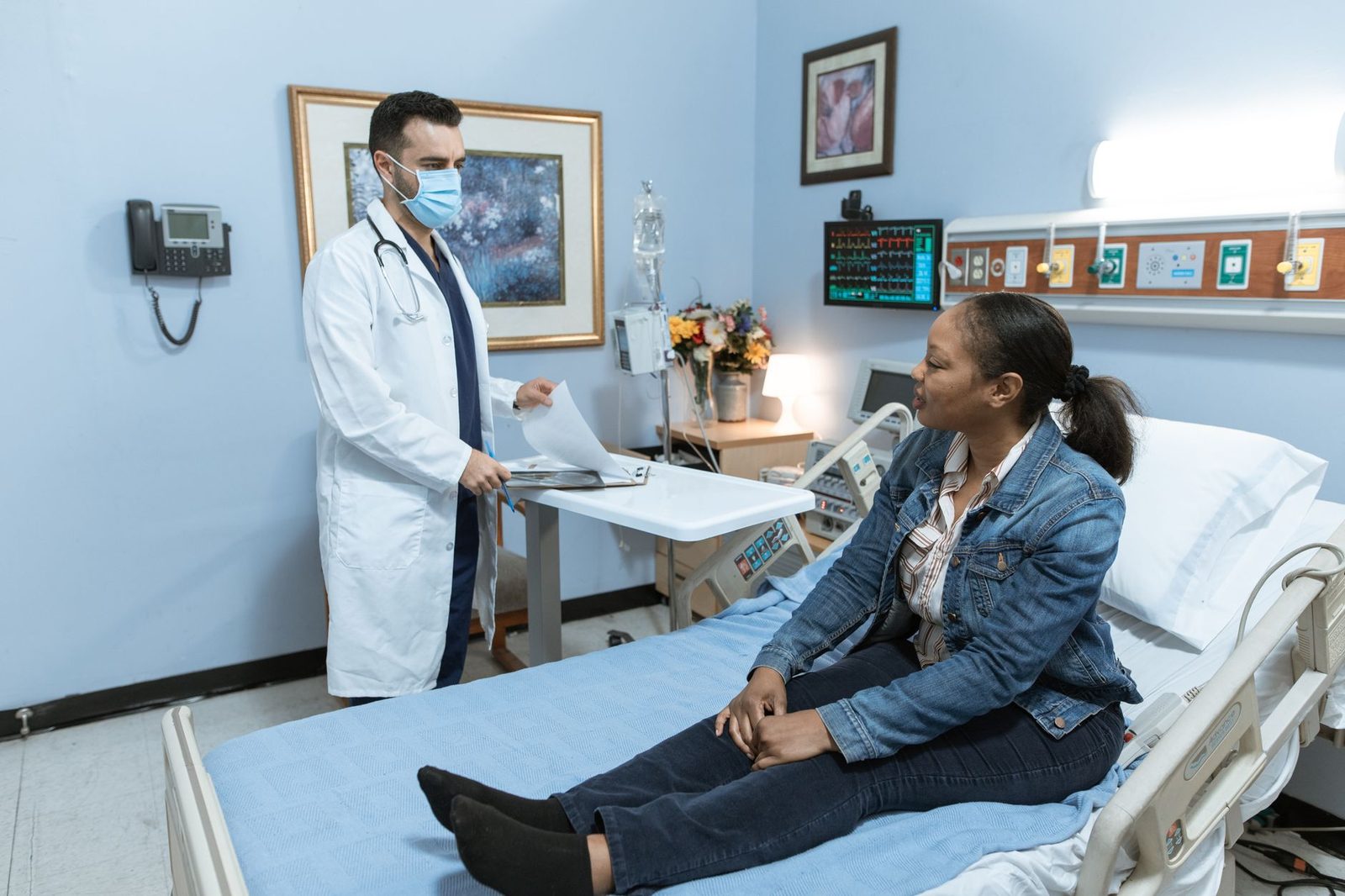
Can a Doctor Force a Patient Into Rehab?
No, a doctor generally cannot send an adult to rehab on the doctor’s own authority. In Florida, forced admission for substance use runs through a court under the Marchman Act, which is found in Chapter 397 of the Florida Statutes.
If you’re asking whether a doctor can force a patient to go to rehab, someone you care about may be struggling. A doctor may have raised treatment, and now a court may feel like a real possibility. That’s a stressful place to stand.
The key point is the difference between two things. A doctor’s recommendation says treatment is advisable. A court-ordered involuntary admission is a legal order from a judge. It starts with a petition and ends with a hearing.
Whether a case can move forward depends on the facts. The person’s judgment, the risk of harm, and who is willing to file all matter.

Not sure what your next step is?
Talk it through with our team — the first consultation is free, confidential, and carries no obligation.
What a Doctor Can Do on Their Own
A doctor can assess a patient, record substance use concerns, recommend treatment, and refer the patient to a program. These are medical steps. They do not create a court order.
A physician can also explain the risks of continued use and the options that exist. The patient then makes the choice about whether to act on that advice.
Florida law also provides a voluntary path. A person who wants treatment for substance abuse may apply to a service provider for voluntary admission. § 397.601 That choice belongs to the patient.
Many families make one mistake here. Voluntary admission works differently. Under § 397.601, a person who applies for voluntary admission must be admitted to treatment, as far as the provider’s financial and space capabilities allow, when sufficient evidence shows the person is impaired by substance abuse and the person’s medical and behavioral conditions are not beyond the provider’s safe management capabilities. Florida also licenses substance use programs, including detox, inpatient, residential, and outpatient services. Florida DCF licensing for substance use services
How Florida’s Marchman Act Involuntary Process Works
The Marchman Act is Florida’s framework for court-ordered assessment, stabilization, and treatment for substance use. It sets out who may file, what a petition must say, and how the hearing runs.
The process starts with a petition. Under § 397.681, the petition must be filed with the clerk of the court in the county where the person is located. The clerk may not charge a fee for filing it. The person named in the petition is the respondent.
Location matters. In J.P. v. J.N., a Florida appeals court treated a petition filed in the wrong county as a venue problem. The filing did not take away the court’s power to hear the case.
After filing, the court must schedule a hearing within 10 court working days unless a continuance is granted. § 397.68151 At the hearing, the judge looks for proof by clear and convincing evidence. If that standard is met, the court may order treatment for up to 90 days. § 397.697
Emergencies move faster. If emergency circumstances exist, the court may enter an ex parte order for assessment and stabilization without first appointing an attorney. § 397.6818 A provider generally may hold the person for up to 72 hours of observation, unless an exception applies. Under § 397.6818(1), when the petitioner asserts that emergency circumstances exist, or the court determines that an emergency exists, the court may rely solely on the contents of the petition and, without the appointment of an attorney, enter an ex parte order for the respondent’s involuntary assessment and stabilization that must be executed during the period when the hearing on the petition for treatment is pending. D.H. v. K.J.R.
Who Can File a Petition and What the Court Looks For
For an adult, a petition may be filed by a spouse or legal guardian, any relative, a service provider, or an adult with direct personal knowledge of the substance use and the person’s treatment history. § 397.68112
The court looks for specific facts. Under § 397.675, a person meets the criteria for involuntary admission if there is good faith reason to believe the person is substance abuse impaired or has a substance use disorder and a co-occurring mental health disorder. The impairment must have caused a loss of self-control. The person must also either be incapable of appreciating the need for services and of making a rational decision about them; be likely to neglect or refuse to care for themselves in a way that poses a real and present threat of substantial harm, where the harm cannot apparently be avoided through willing, able, and responsible family members or friends or other services; or have inflicted, threatened, or attempted physical harm, or be likely to inflict it unless admitted.
Mere refusal of services does not by itself show lack of judgment about the need for services, though a refusal to care for oneself may still meet the neglect prong if it poses a real and present threat of substantial harm. The statute says mere refusal is not evidence of lack of judgment about the need for services. Fla. Stat. § 397.675 reads: “(b) Without care or treatment, is likely to suffer from neglect or refuse to care for himself or herself; that such neglect or refusal poses a real and present threat of substantial harm to his or her well-being; and that it is not apparent that such harm may be avoided through the help of willing, able, and responsible family members or friends or the provision of other services, or there is substantial likelihood that the person has inflicted, or threatened to or attempted to inflict, or, unless admitted, is likely to inflict, physical harm on himself, herself, or another.”
A petition must name the respondent and the petitioner. It must also explain the relationship between them and state the facts. § 397.68141 A report from a qualified professional who examined the person within 30 days may be attached. If the person was not assessed or refused an evaluation, the petition must say so.
Florida’s appeals courts have split on one procedural question. C.W.R.K. opinion The Fourth District disagreed and certified a conflict. J.J.J. v. D.G. opinion
Have questions about what happened?
Ask our team directly. The first conversation is free, confidential, and there is no obligation to continue.
Court-Ordered Rehab Versus Refusing Treatment
An adult can refuse voluntary treatment. Refusal alone does not give a court grounds to order rehab. Many families have questions about what happens before a court can order an involuntary admission.
A person named in a petition has important rights. The respondent has the right to counsel at every stage of the case. The respondent may waive that right only if present and only if the court finds the waiver knowing, intelligent, and voluntary. Under § 397.681(2), a respondent who wants a lawyer but cannot pay for private counsel is entitled to have the court appoint one, along with the benefits of s. 57.081.
The court also cannot order involuntary treatment without a clinical assessment. Under § 397.6957(1)(b), a respondent may not be ordered into treatment without a clinical assessment, unless the respondent is present in court and expressly waives the assessment. § 397.6957 Testimony at the hearing must be under oath, and the respondent may refuse to testify.
In plain terms, involuntary admission is a court order. It is not a choice a doctor makes alone.
What If the Person Refuses to Go?
Refusing to go voluntarily does not end the options. The court process is the route to involuntary admission. Outside an emergency, a petition, an assessment, and a hearing come before any forced order. In an emergency, the court may rely solely on the contents of the petition and, without the appointment of an attorney, enter an ex parte order for involuntary assessment and stabilization.
Under section 397.697, Florida Statutes, when the court finds that the conditions for involuntary treatment services have been proved by clear and convincing evidence, its order may require the sheriff to bring the respondent to the licensed service provider named in the order, or to the nearest appropriate licensed service provider, for involuntary treatment services. § 397.6818 The Lake County Clerk of Court explains that a judge may order law enforcement transport to an appropriate treatment facility. Marchman Act substance abuse petitions
Concrete facts matter. Write down dates, specific behaviors, who saw them, and any medical statements. A petition must state the reasons for the belief about impairment and loss of self-control. § 397.68141
Families can also use CRAFT strategies. These help family members communicate with a loved one who refuses treatment, set boundaries, and care for themselves. CRAFT family training
Frequently Asked Questions
Can a doctor force someone into rehab in Florida?
Not on the doctor’s own authority. A forced admission needs a petition and a court order under the Marchman Act.
Who can file a Marchman Act petition for an adult?
A spouse or legal guardian, any relative, a service provider, or an adult who has direct personal knowledge of the respondent’s substance abuse impairment and prior course of assessment and treatment may file.
Does the person get a lawyer?
Yes. The respondent has the right to counsel at every stage, which the respondent may waive only if present and the court finds the waiver knowing, intelligent, and voluntary; a respondent who cannot afford counsel has the right to court-appointed counsel.
Talk Through Your Situation With Robinson Casey
If a doctor has raised rehab for someone you love, the decision may feel out of your hands. You may be watching a parent, spouse, or sibling decline while you try to learn what the court would need. You do not have to figure out every legal step today.
Robinson & Casey is a Florida law firm that limits its practice to Marchman Act petitions and guardianship matters. It serves families in Miami-Dade and across South Florida. The first consultation is free, confidential, and carries no obligation to continue. To talk through your situation, call (561) 849-4700 or request a consultation.
Want to know where you stand?
Tell us what happened and our team will walk you through the options available to you, at no cost.
How Robinson Casey Can Help Your Family
Marchman Act Petitions
We focus on preparing and filing Marchman Act petitions for families seeking court-ordered treatment for a loved one's substance use.
Guardianship Matters
Our practice also covers guardianship, including emergency temporary, plenary, limited and mental health guardianship.
Confidential Conversations
Your first consultation is free, confidential, and carries no obligation to continue.
Support Throughout
Our team, including our attorneys and support staff, keeps families informed at each step of the process.
Don't Wait for a Crisis to Ask Questions
Families often reach out only after a loved one has been hurt or is refusing help. Speaking with an attorney early can help you understand your options before a situation escalates.
Common Questions Families Ask
Can a doctor sign me into rehab?
In Florida, a doctor's opinion alone generally does not force treatment. A court order under the Marchman Act is typically required for involuntary admission.
What is a Marchman Act petition?
It is a formal request filed with the court asking that an adult with a substance use impairment be evaluated and, if the court finds it appropriate, directed into treatment.
What if the situation is an emergency?
Some circumstances call for urgent court action. A guardianship attorney can explain whether emergency temporary guardianship or another remedy may apply.
Do I need a lawyer to file?
Petitions involve specific court procedures and evidence. Speaking with an attorney can help you prepare and understand what to expect.