
Addiction Treatment & Legal Options
Involuntary vs. Voluntary Addiction Treatment in Florida
Understand your options when a loved one needs help—and when the courts can order it.
By Richard J. Casey III, Esq. · Published October 01, 2026
Involuntary Commitment vs. Voluntary Addiction Treatment in Florida
When someone you love struggles with addiction, you face a choice: encourage voluntary treatment or pursue involuntary commitment through the courts. In Florida, both pathways exist under state law, but they differ fundamentally in how they work, who decides, and when each applies. Understanding the difference helps you make the right decision for your situation.
If you’re weighing whether a loved one needs voluntary treatment or involuntary commitment for addiction, you’re facing a difficult decision—reach out to discuss your situation and what the legal process looks like.
Understanding Voluntary Addiction Treatment in Florida
Voluntary addiction treatment means the person seeks help on their own and maintains control over their recovery decisions. They can enter outpatient counseling, inpatient rehabilitation, or other programs at a facility they choose or that their insurance covers. They can also leave the program at any time—no court order, no legal process, no one’s permission required.
Voluntary treatment works well when someone recognizes they have a problem and is willing to address it. It’s faster to access, often more flexible in duration and program type, and allows the person to maintain dignity and autonomy. Many people recover through voluntary pathways. The drawback: if someone refuses to acknowledge their addiction or won’t seek help despite serious consequences, voluntary treatment isn’t an option.
What Is Involuntary Commitment for Addiction in Florida?
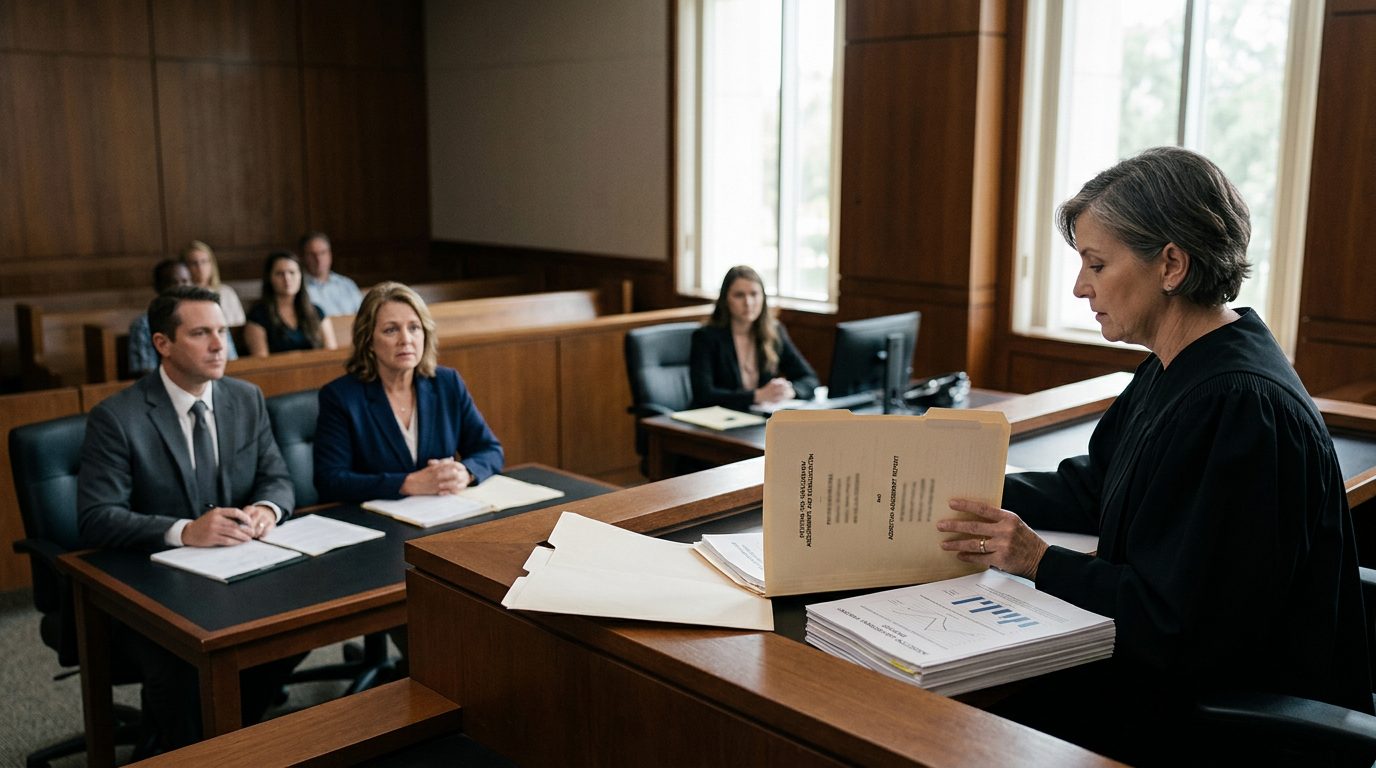
Involuntary commitment for substance abuse is a legal process.
If the court finds that the legal grounds are met, it may order the person into treatment at a designated facility. If the court orders treatment, the person may be required to follow the court’s treatment order, and the specifics depend on the court’s discretion and the circumstances of each case. This is what Florida’s Marchman Act (Fla. Stat. § 397.675) provides: a legal pathway for court-ordered treatment, subject to the court’s findings and discretion.
What Is the Difference Between Voluntary and Involuntary Treatment?
The core differences come down to choice, legal process, and timing.
Who initiates: In voluntary treatment, the person themselves decides to seek help. In involuntary commitment, a family member, doctor, law enforcement, or other authorized person files a petition with the court on behalf of the person struggling with addiction.
Control over staying or leaving: Voluntary treatment means the person can leave whenever they choose. Involuntary commitment means they’re legally bound to remain in treatment and follow the court’s orders; leaving early without permission is not an option.
Treatment plan: Voluntary treatment allows the person to help shape their recovery goals and choose their program. Involuntary commitment means the court and the treatment facility determine the plan, and the person must follow it.
Type of care: Voluntary treatment can be outpatient (counseling, therapy, support groups) or inpatient (residential rehabilitation).
Speed of entry: Voluntary treatment can begin within days or weeks, depending on program availability and insurance. Involuntary commitment involves a court hearing, and the timing of that hearing depends on the court’s schedule and discretion.
Legal involvement: Voluntary treatment requires no court involvement whatsoever. Involuntary commitment is a legal process that may involve a petition, an evaluation, a hearing, a judge’s order, and ongoing court review, depending on the court’s discretion and the circumstances of the case.
What Are the Requirements for Involuntary Commitment in Florida?
Not every person with an addiction can be involuntarily committed. Florida law sets specific legal standards, and the court decides whether they are met.
The court may consider evidence such as recent substance use, failed attempts at voluntary treatment, dangerous behavior tied to drug or alcohol use, and statements from family or healthcare providers, and it decides how much weight that evidence receives. The court decides whether the statutory requirements are met based on the evidence presented, and other requirements may also apply.
The Marchman Act: Florida’s Involuntary Commitment Law
Florida’s Marchman Act (Fla. Stat. § 397.675) includes provisions governing involuntary commitment for substance abuse.
Under Florida’s Marchman Act (Fla. Stat. § 397.695), certain persons may file a petition, other requirements may also apply, and the court decides whether the petition proceeds.
The Marchman Act balances individual liberty with public safety and treatment access. At the same time, the Act includes procedural protections for the person, and the court decides how they apply in each case.
Not sure what your next step is?
Contact the law firm by phone to discuss your situation.
When Is Involuntary Commitment Necessary?
Involuntary commitment becomes appropriate when:
- The person refuses all voluntary treatment despite serious addiction and clear harm.
- Substance use has led to dangerous behavior: overdose attempts, violence, reckless driving, or harm to others.
- The person lacks insight into their condition: they deny the problem or minimize its severity, a common feature of addiction.
- Previous voluntary treatment has failed: they’ve tried rehab or counseling and relapsed, and now refuse to try again.
- Immediate risk exists: not a long-term concern, but a present crisis—overdose risk, active self-harm, or danger to family members.
- Family or caregivers cannot safely manage the situation: the person’s behavior has become uncontrollable without professional intervention.
This is not about punishment. It’s about breaking through denial and removing barriers—like ambivalence or active refusal—that prevent someone from entering treatment.
How Does the Court Process Work?
The involuntary commitment process in Florida involves a series of steps, and the timing of each depends on the court’s schedule and discretion.
Step 1: Petition filed. The petition describes the person’s substance use, the danger they pose, and why voluntary treatment hasn’t worked.
Step 2: Initial court order. If the petition meets basic requirements, the court may issue an order for evaluation. The timing of that order depends on the court’s schedule and discretion.
Step 3: Evaluation. A qualified professional (physician, mental health counselor, or addiction specialist) evaluates the person within a specified timeframe. The evaluator interviews the person, reviews medical and substance use history, and assesses the level of danger.
Step 4: Hearing. A hearing is held on the court’s schedule, and its timing depends on the court’s discretion and the circumstances of the case. The person has the right to legal representation (they can hire an attorney or request a public defender) and the right to contest the petition. The petitioner presents evidence; the person can cross-examine and present their own evidence or witnesses.
Step 5: Judge’s decision. The judge decides whether the legal grounds for commitment are met. If the judge finds the legal grounds for commitment are met, the court may order the person into treatment at a designated facility. If not, the petition may be dismissed and the person may be released.
Step 6: Treatment and ongoing review. The person is admitted to a treatment facility. The court retains jurisdiction and conducts periodic reviews to ensure commitment remains necessary. The person can petition for release if their condition improves or if they believe the grounds for commitment no longer exist.
Effectiveness and Outcomes of Involuntary Treatment
Research from SAMHSA (Substance Abuse and Mental Health Services Administration) and peer-reviewed studies shows that involuntary treatment can be effective when combined with quality programming and aftercare support. Initial resistance is common—many people are angry or in denial when they first enter court-ordered care—but many engage meaningfully once in treatment.
The structure of involuntary commitment removes barriers that block voluntary entry: denial, ambivalence, fear of withdrawal, or simply not knowing where to start. Being in a safe, monitored environment allows the person to stabilize and begin recovery work. Success depends on treatment quality, the person’s willingness to engage once they’re there, and whether they have aftercare support (continued counseling, peer support, family involvement) after the court order ends.
No outcome is certain. Involuntary commitment is not a cure. But research indicates that court-ordered treatment serves as an effective gateway to longer-term recovery when the person receives quality care and ongoing support.
Choosing Between Voluntary and Involuntary Pathways
Voluntary treatment is always preferred when it’s safe and the person is willing to participate. It preserves autonomy, moves faster, and avoids the stress and cost of court proceedings.
Involuntary commitment is reserved for situations where danger is imminent and voluntary options have been exhausted. It’s a tool for crisis intervention, not a first resort.
In practice, families often face this decision when a loved one is in active addiction, has refused help repeatedly, and is now in acute danger—overdose risk, suicidal ideation, violence, or complete loss of function. Legal counsel familiar with the Marchman Act can help you evaluate whether involuntary commitment applies to your situation and what evidence you’ll need to present to the court.
Timing matters. Early intervention—whether voluntary or involuntary—improves outcomes. Waiting often means the crisis deepens, the person’s health deteriorates, and the decision becomes more urgent and more painful.
FAQ
What’s the difference between a Marchman Act petition and guardianship for substance abuse?
A Marchman Act petition is a short-term legal process focused on court-ordered treatment for addiction; guardianship is a broader arrangement that gives someone legal authority to make decisions on behalf of another person. Guardianship is typically longer-term and covers more than just treatment.
Can someone be forced into rehab in Florida?
Yes, under the Marchman Act, if a court finds that the person poses a threat of serious bodily harm to themselves or others due to substance abuse and refuses voluntary treatment, a judge can order them into treatment.
How long does involuntary commitment last in Florida?
Duration varies. The court order specifies how long the person must remain in treatment, and the length is subject to the court’s discretion. The person can petition for release if their condition improves.
Do I need a lawyer to file a Marchman Act petition?
Whether to hire an attorney is your choice to make. An attorney can explain the petition process, help you gather evidence, and discuss what to expect at the hearing.
What if the person contests the involuntary commitment?
They have the right to contest it at the hearing. A judge will review both sides and decide whether the legal grounds are met. If the judge finds the grounds aren’t met, the petition is dismissed. If the grounds are met, the commitment stands, though the person can petition for release later if circumstances change.
If you're weighing whether a loved one needs voluntary treatment or involuntary commitment for addiction, you're facing a decision many families make in crisis—reach out to discuss your situation and what the legal process looks like. Talk it through with Robinson & Casey — the first consultation is free, confidential, and carries no obligation.
Next Steps: Getting Legal Guidance
If you’re facing the decision of whether your loved one needs voluntary treatment or involuntary commitment for addiction, you’re navigating a situation that many South Florida families encounter in crisis. The legal process can feel overwhelming, and the stakes are high. Understanding which pathway applies to your situation—and what evidence the court will require—makes a real difference.
If you believe involuntary commitment may be necessary, consulting with an attorney can clarify your options, help you gather documentation, and explain the court process.
If you’re considering involuntary commitment for a loved one struggling with addiction in Florida, reach out to Robinson & Casey to discuss your situation.
Key Differences at a Glance
Voluntary Treatment
The individual chooses to enter a treatment program and can leave at any time. This path requires the person to recognize they need help and be willing to participate in recovery.
Involuntary Treatment
A court orders the individual into treatment through a legal petition. In Florida, this typically happens via a Marchman Act petition when someone's addiction poses a danger to themselves or others.
Guardianship for Addiction
A guardian is appointed by the court to make medical and personal decisions on behalf of an adult who cannot do so themselves. This can include decisions about treatment and care.
Emergency Intervention
When immediate action is needed, emergency temporary guardianship or an emergency Marchman Act petition can be filed to protect someone in crisis while a full legal process unfolds.
When Voluntary Treatment Isn't Working
If a loved one refuses help and their addiction is causing harm, Florida law provides legal pathways to intervene. A Marchman Act petition or guardianship petition can authorize treatment even without the person's initial consent.
How Robinson & Casey Can Help
Marchman Act Petitions
We prepare and file petitions to seek court-ordered addiction treatment when voluntary options have failed or when immediate intervention is necessary.
Guardianship for Addiction Cases
We guide families through plenary, limited, and mental health guardianship proceedings to establish legal authority over treatment decisions.
Emergency Temporary Guardianship
When time is critical, we file for emergency temporary guardianship to protect your loved one while the full guardianship case proceeds.
Clear Guidance on Your Options
We explain the differences between these legal tools and help you understand which approach fits your family's circumstances and needs.
Common Questions
What's the difference between a Marchman Act petition and guardianship?
A Marchman Act petition is a focused legal process to obtain court-ordered addiction treatment. Guardianship is broader—it gives someone legal authority to make decisions on behalf of another person, including but not limited to treatment. Guardianship typically lasts longer and covers more areas of life.
Can someone be forced into treatment in Florida?
Yes. Under the Marchman Act (Fla. Stat. § 397.675), a court can order involuntary assessment and treatment for substance abuse if the person poses a danger to themselves or others due to addiction. Guardianship can also authorize treatment decisions without the person's consent.
What happens after an emergency temporary guardianship is granted?
An emergency temporary guardianship is a short-term order that may grant you legal authority, subject to the court’s discretion. A full guardianship hearing may follow on a timeframe set by the court, where the court decides whether to appoint a permanent guardian.
How do I know which legal tool to use?
The right approach depends on your situation—how urgent the need is, whether the person has other decision-making issues beyond addiction, and what outcome you're seeking. We review your circumstances and explain your options.