
Marchman Act Petitions | Miami-Dade and South Florida
Your Loved One Is Struggling. You Don't Have to Figure Out the Court Process Alone.
Robinson Casey focuses on Marchman Act petitions and guardianship matters for families across Miami-Dade and South Florida. Our team can explain your options in a confidential conversation.
By Richard J. Casey III, Esq. · Published November 2, 2026
If your adult child is using drugs and keeps getting worse, safety comes first. Call 911 right away if your child is overdosing or unresponsive. Florida also gives families a court option called a Marchman Act petition, and this page explains how it works.
Maybe you’re reading this after a hospital stay, an arrest, or a night when your child disappeared. You may have already paid for treatment, tried interventions and held firm on boundaries. The question What should I do if my family member is on drugs? is a fair one when those efforts haven’t worked.
You are not the only parent facing this
Many parents reach this point after years of effort. You may have spent money on treatment, tried interventions and kept boundaries in place, only to watch your child slide again. A recent overdose, relapse, hospital visit, arrest or disappearance may be what pushed you to look for another way.
You may be afraid your child will overdose, end up in jail, lose a home or never get better. Those fears are real. You want a legal path to proper treatment, with people who understand addiction, so you don’t have to carry this crisis alone. This page covers the immediate steps, the signs to watch, the Florida legal option for families, and how to prepare for a first conversation.
If your child keeps getting worse and you want a legal path to proper treatment, you don't have to plan the next step alone. Talk it through with our team — the first consultation is free, confidential, and carries no obligation.

If your child is in immediate danger, act first
If your child is overdosing, unresponsive or in immediate danger, call 911 before anything else. Tell the responders that you suspect drug use. Share what you know about what your child took and when, even if your child is angry at you for calling.
Avoid threats or ultimatums you can’t carry out. A threat you can’t follow through on can deepen the conflict in a crisis. Keep your words short and calm, and focus on getting your child safe.
Florida law also has an emergency route. If a petition shows an emergency, a judge may order an assessment and stabilization based on the petition alone, without an attorney being appointed first.
Recognizing the signs and keeping a written record
Keep a dated written record of what you see, starting today. Warning signs often build over weeks. Watch for changes in sleep, weight, money, friends and daily routines. Missed work or school, secrecy and unexplained absences can also signal that drug use is getting worse.
For each event, note the date, what happened, who was there, and any injuries, overdoses, hospital visits or arrests. Write down what you said and how your child responded. Keep copies of hospital discharge papers, police reports and treatment records you already have. Dates and facts carry more weight than general worry.
SAMHSA’s family guide offers general guidance on talking with an adult loved one about substance use. A calm, short conversation is easier to hold when your facts are written down.
Why support alone may not be enough
Support helps, but it may not be enough when your child won’t accept care. Florida’s criteria for involuntary admission ask for more than a refusal. Under the statute, mere refusal to receive services does not by itself show lack of judgment about the need for care.
The criteria also ask whether there is a good faith reason to believe your child has lost the power of self-control about substance use. They ask whether there is a substantial likelihood your child will harm himself, herself or another. Asking for more help is not a failure.
Past treatment may not have fit your child. The National Institute on Alcohol Abuse and Alcoholism says treatment for alcohol problems should be individualized, not a single solution. A family and social aspects review reports that substance use disorders affect family members, and that family support and professional treatment can help.
How a Marchman Act petition works in Florida
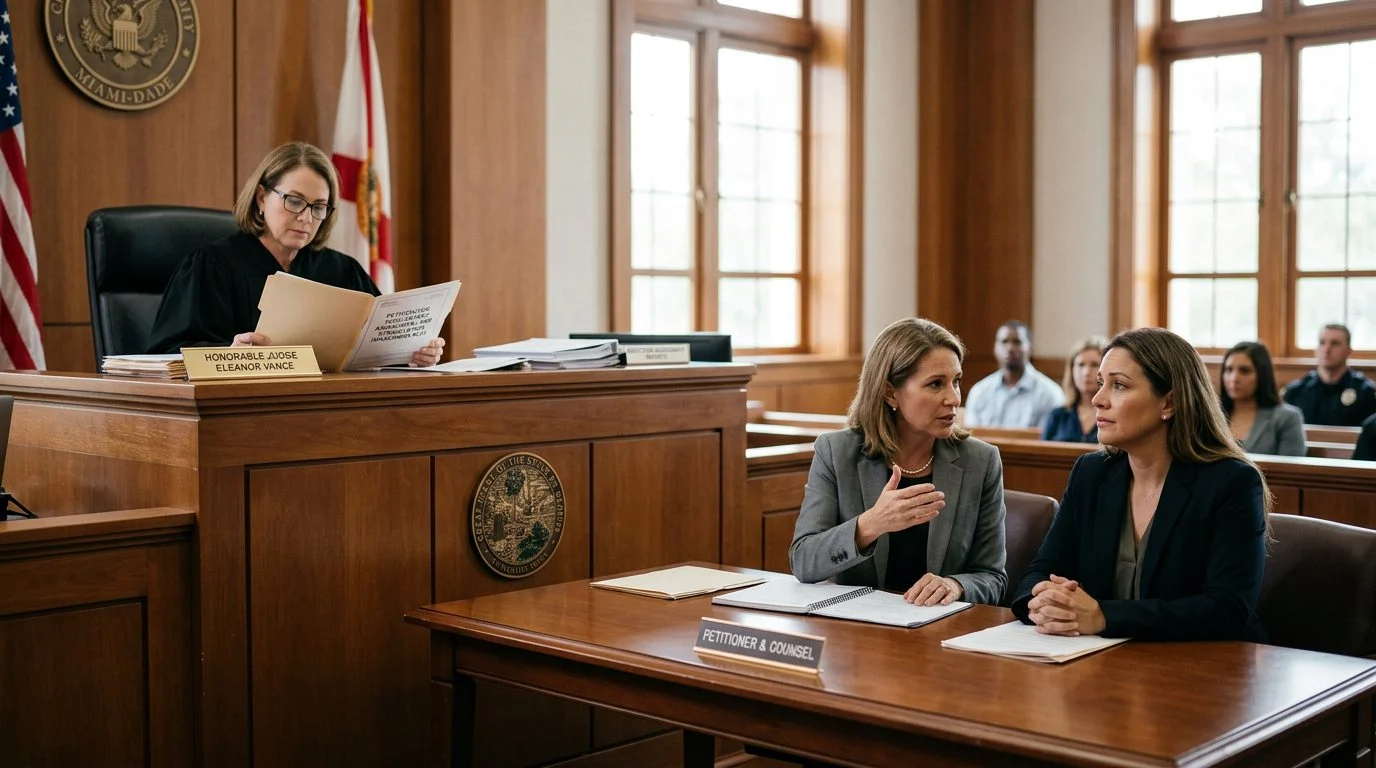
A Marchman Act petition is a court filing that asks a judge to order assessment and, if the criteria are met, involuntary treatment. Florida’s statute calls this involuntary treatment services. Some families call it involuntary commitment for drug addiction. A parent may file. For an adult, the law allows a petition from a spouse or legal guardian, any relative, or a service provider, or from an adult who has direct personal knowledge of the person’s substance abuse impairment and his or her prior course of assessment and treatment.
The petition goes to the clerk of the court in the county where your child is located. Court filing costs may apply, and we will explain them during your free first consultation.
The petition must name your child and you, describe your relationship and state the facts behind your concern. Fla. Stat. § 397.68141 A report from a qualified professional who examined your child within 30 days may be attached.
Florida law also says a person who isn’t accused of a crime may not be jailed, except for protective custody under the chapter. Fla. Stat. § 397.501
Florida courts decide these petitions under the standards set in the Marchman Act, and an attorney can explain how those standards apply to your family’s situation. J.C. v. State That rule is Fifth District law, not a statewide rule.
Preparing for a first conversation with Robinson Casey
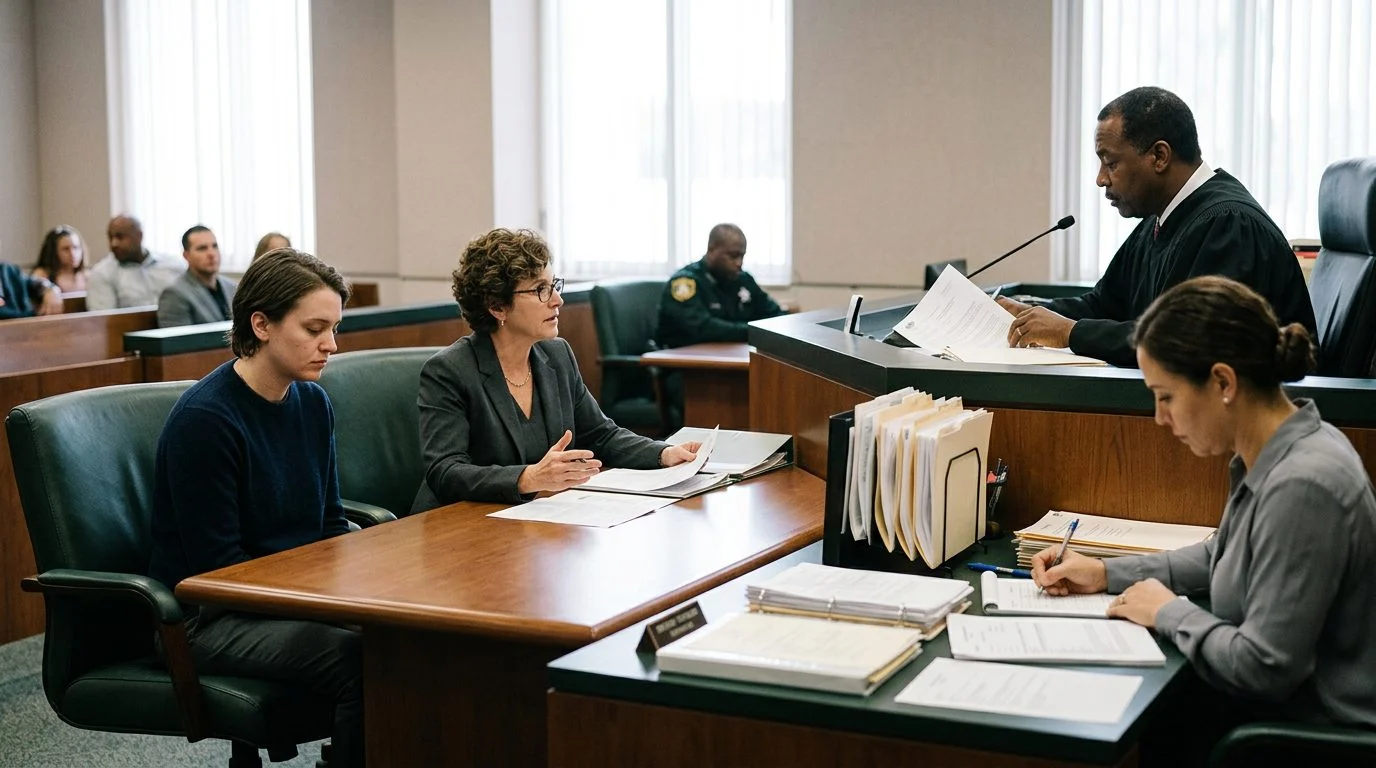
Before you call, gather your dated record, the records you already have, and a short list of questions. Write down the goal you want most, which is proper treatment for your child with people who understand addiction.
Robinson Casey focuses on Marchman Act petitions and guardianship matters. Richard J. Casey III, Esq. is the responsible lawyer for this page. The firm offers a free first consultation, which is confidential and carries no obligation to continue.
What should I do if my family member is on drugs?
Call 911 in an emergency, keep a dated record, and contact Robinson Casey to ask about a Marchman Act petition.
Can a parent file for an adult child in Florida?
Yes. A parent is a relative, and Florida law lets any relative file for an adult. Fla. Stat. § 397.68112
If your child keeps getting worse and you want a legal path to proper treatment, you don’t have to plan the next step alone. Call (561) 849-4700 or request a consultation today.
How Robinson Casey Supports Families
Confidential Conversations
Your family's situation stays private from the start. Share what is happening at your own pace.
Free First Consultation
Your first consultation is free, confidential, and comes with no obligation to continue.
Help With Petition Paperwork
We focus on the documents and details a Marchman Act petition requires, so you know what to prepare.
Compassion for Families in Crisis
We understand that calling an attorney about a loved one's addiction is painful. We listen first and explain clearly.
If Someone Is in Immediate Danger
Call 911 first. Then contact Robinson Casey to talk about a Marchman Act petition and what your family can do next.
Questions Parents Ask Most Often
What Is a Marchman Act Petition?
It is a court filing that asks a judge to review a family member's substance use and consider whether involuntary assessment or treatment is needed. Our team can explain how it works in your county.
What Should I Document Now?
Keep a dated record of incidents, conversations, and any help already offered. Clear notes make it easier for an attorney to understand your situation.
Who Can Help Me Plan the Next Step?
Robinson Casey focuses on Marchman Act and guardianship matters. Schedule a free, confidential consultation to review your options with our team.