
Limited Guardianship
Terminate Limited Guardianship in Florida
Navigate the court process to end a limited guardianship arrangement. Robinson & Casey guides families through petition filing, hearings, and restoration of rights.
By Richard J. Casey III, Esq. · Published September 20, 2026
How to Terminate Limited Guardianship in Florida
A limited guardianship can be terminated in Florida when the person under guardianship has regained capacity, circumstances have changed, or the court determines termination is in their best interest. The process requires filing a petition with the probate court, presenting evidence of changed circumstances or restored ability, and obtaining a judge’s order dissolving the arrangement.
If you’re researching whether a limited guardianship can end—whether for yourself or someone you care for—this guide explains the legal grounds, who can petition, and what the court process looks like.

Not sure what your next step is?
Talk it through with our team — the first consultation is free, confidential, and carries no obligation.
What Limited Guardianship Termination Means
Terminating a limited guardianship ends a court-ordered arrangement in which one person (the guardian) holds decision-making authority over specific matters for another adult (the ward).
Unlike plenary guardianship, which removes all decision-making rights, limited guardianship restricts the guardian’s authority to particular areas—such as medical decisions, financial management, or living arrangements. The ward keeps rights in other areas.
When a limited guardianship is terminated, the ward regains full legal authority and decision-making power in the areas the guardian previously controlled. This is different from a guardian’s voluntary resignation, which may or may not end the guardianship itself—the court must approve termination.
Grounds for Terminating Limited Guardianship in Florida
Florida law allows termination when specific conditions are met. Under Florida Statutes Chapter 744, the primary grounds include:
Restored Capacity
The ward has regained decision-making ability in the specific areas covered by the guardianship. For example, if guardianship was established because of a temporary mental health crisis, and the ward has since stabilized with treatment, restored capacity may support termination.
Changed Circumstances
The original reason for guardianship no longer exists. A person recovering from a serious injury, resolving a substance use disorder, or achieving stability in a previously unstable situation may no longer need guardianship.
Guardian Unable or Unwilling to Serve
If the guardian can no longer perform their duties—due to relocation, illness, or personal circumstances—and the ward no longer requires guardianship protection, termination may be appropriate.
Guardianship No Longer in the Ward’s Best Interest
The court may find that continued guardianship restricts the ward’s rights unnecessarily or that less-restrictive alternatives are available.
Court’s Own Motion
In some circumstances, the probate court may initiate termination proceedings if evidence suggests guardianship is no longer necessary.
Who Can Petition to Terminate Limited Guardianship
The Ward
The person under guardianship can petition for their own termination. This is a fundamental right—you can ask the court to restore your decision-making authority.
The Guardian
The guardian may petition to resign or request termination if they believe guardianship is no longer necessary or if they can no longer serve.
Family Members or Interested Parties
Relatives, close friends, healthcare providers, or others with a legitimate interest in the ward’s welfare can file a termination petition.
The Probate Court
The court itself may initiate termination if it receives evidence that guardianship should end.
The Termination Process in Florida
Terminating a limited guardianship follows a structured court process:
1. File a Petition
The petitioner files a formal petition with the probate court that established the guardianship. The petition must clearly state the grounds for termination—restored capacity, changed circumstances, or other legal basis.
2. Serve Notice
Notice of the petition must be served on the guardian, the ward, and other interested parties as required by Florida probate rules. This ensures everyone has an opportunity to respond.
3. Present Evidence
The petitioner submits evidence supporting termination. This may include medical evaluations, testimony, documentation of changed circumstances, or statements from the guardian, family, or healthcare providers.
4. Court Evaluation or Hearing
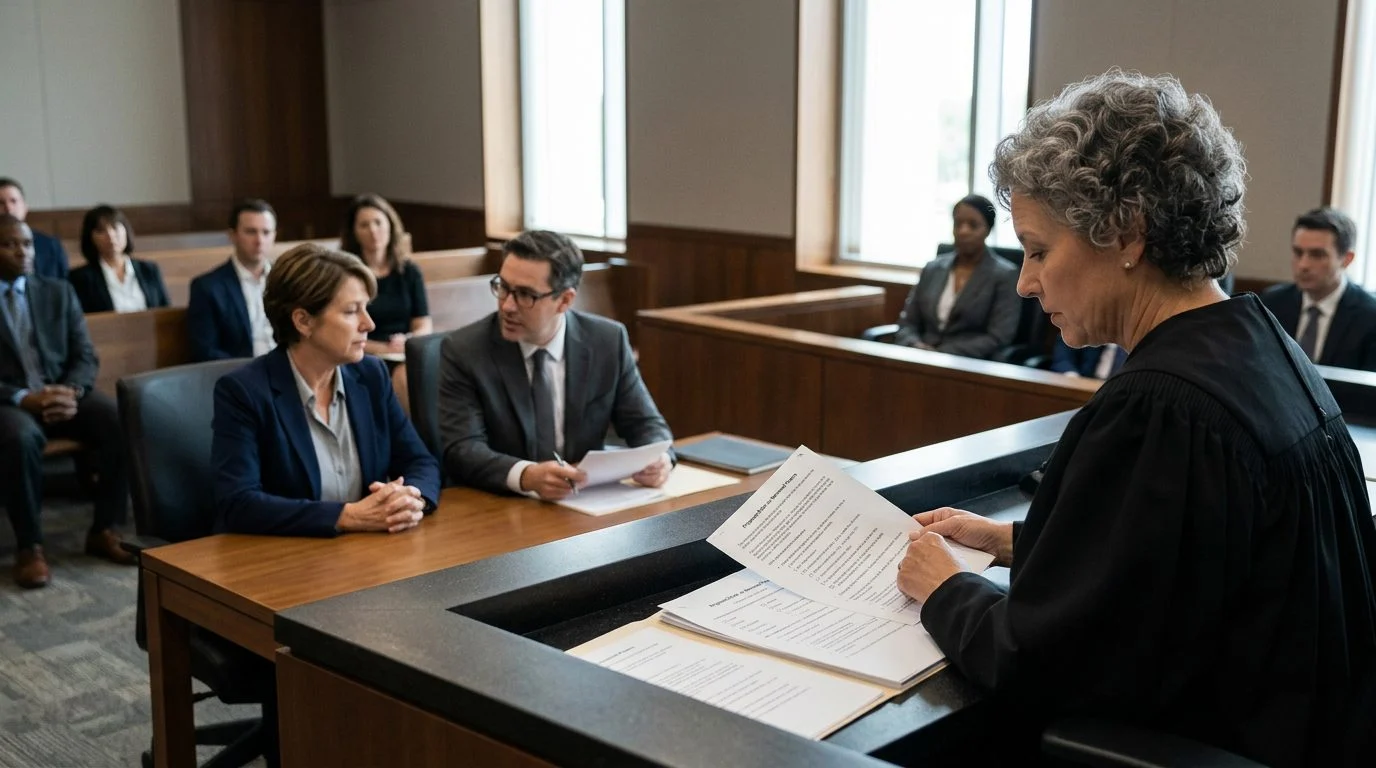
The court may order an independent capacity evaluation or schedule a hearing to assess whether the ward has regained decision-making ability in the relevant areas. The judge reviews all evidence presented.
5. Judicial Determination
The judge decides whether termination is appropriate based on the evidence and Florida law. If grounds are met, the court enters an order dissolving the guardianship.
6. Restoration of Rights
Once the order is entered, the ward immediately regains full legal authority in the areas previously governed by the guardian.
Have questions about what happened?
Ask our team directly. The first conversation is free, confidential, and there is no obligation to continue.
What Evidence Supports Termination
Courts rely on concrete evidence to determine whether termination is warranted:
- Medical or psychological evaluation showing the ward has regained capacity in the specific decision-making areas covered by guardianship
- Testimony from the ward describing their current ability to manage their affairs
- Statements from family members, friends, or healthcare providers confirming improved circumstances or restored ability
- Documentation of changed life circumstances—such as successful treatment completion, stable housing, employment, or financial independence
- Guardian’s own statement that guardianship is no longer necessary
- Demonstration that the ward can manage specific decisions previously delegated to the guardian (medical choices, financial transactions, living arrangements)
The stronger and more detailed your evidence, the more persuasive your termination petition will be.
Timeline and What to Expect
Termination timelines vary depending on court docket, complexity, and whether the case is contested.
Uncontested Terminations
When the guardian agrees that guardianship should end, the process typically moves faster. The court may approve termination with minimal delay once proper notice is served and evidence is filed.
Contested Terminations
If the guardian or other interested parties object, the court will schedule a hearing. The judge will hear arguments and evidence from both sides before deciding. These cases take longer and may require multiple court appearances.
In either scenario, once the court enters a termination order, the ward’s rights are restored immediately.
Common Situations Leading to Termination
Termination often occurs when life circumstances improve or change:
- Recovery from illness or injury: A person regains physical or cognitive ability to manage decisions they previously couldn’t handle
- Substance use disorder recovery: An individual achieves sustained sobriety and demonstrates ability to manage their own affairs
- Mental health stabilization: A person’s psychiatric condition improves with treatment and medication, restoring decision-making capacity
- Financial independence: The ward demonstrates ability to manage finances, pay bills, and make sound economic decisions
- Guardian circumstances change: The guardian relocates, experiences health issues, or can no longer serve, and the ward no longer needs guardianship protection
Why Legal Guidance Matters
Terminating a limited guardianship requires navigating Florida probate court procedures and meeting specific legal standards. Mistakes in filing, evidence presentation, or procedural compliance can delay or derail your petition.
An attorney familiar with Florida guardianship law can help you:
- Gather and organize the evidence needed to support termination
- Draft a petition that clearly states your grounds and meets court requirements
- Serve notice properly on all required parties
- Prepare for a capacity evaluation or hearing if the court orders one
- Navigate contested objections if the guardian or others oppose termination
- Ensure compliance with probate court rules and timelines
The court may also appoint a guardian ad litem (a court-appointed representative) to investigate and report on whether termination is in the ward’s best interest. An attorney can help you work effectively with this process.

Want to know where you stand?
Tell us what happened and our team will walk you through the options available to you, at no cost.
Frequently Asked Questions
Can a ward petition to terminate their own limited guardianship?
Yes. The ward has the right to petition the court for termination of their own guardianship.
What if the guardian and ward disagree about termination?
If they disagree, the court will hold a hearing to determine whether termination is appropriate based on evidence and Florida law.
How long does limited guardianship termination take?
Uncontested cases may be resolved in weeks to a few months; contested cases can take several months or longer depending on court docket and complexity.
Do I need an attorney to file a termination petition?
While you can file without an attorney, legal guidance helps ensure your petition meets court requirements and presents the strongest possible case.
What happens after termination is approved?
The ward regains full legal authority and decision-making rights in the areas previously governed by the guardian, effective immediately upon court order.
If you’re in a situation where a limited guardianship may no longer be necessary—whether you’re seeking to restore your own rights or you’re supporting someone whose circumstances have changed—the legal requirements and court process can feel overwhelming. Families and individuals in this position reach out regularly to understand their options and next steps. Contact Robinson & Casey to discuss your specific circumstances and explore how termination might work in your case.
Ward Rights in Termination
A ward has the right to petition the court for termination of their own limited guardianship. If the guardian and ward disagree about termination, the court will hold a hearing to determine whether termination is appropriate based on evidence and Florida law.
Steps to Terminate Limited Guardianship
Petition the Court
File a formal petition for termination with the probate court. The petition must show that the ward no longer requires the limited guardianship arrangement and can manage the specific areas of life that were restricted.
Serve Notice
The guardian, ward, and other interested parties must receive proper legal notice of the termination petition, allowing them time to respond or object.
Court Hearing
The judge reviews evidence and testimony to determine whether termination is in the ward's best interest. Both the guardian and ward may present their positions.
Restoration of Rights
If the court grants termination, the limited guardianship ends and the ward's rights are restored in the areas previously restricted by the guardianship.
How Robinson & Casey Helps
Petition Preparation
We prepare and file all required court documents, ensuring your petition meets Florida probate court standards and includes the evidence needed to support termination.
Legal Representation
Whether you are the ward seeking termination or the guardian navigating the process, we represent your interests throughout the court proceedings.
Hearing Advocacy
We present your case at the termination hearing, cross-examine witnesses, and argue for the outcome you seek based on Florida law and the facts of your situation.
Timely Resolution
We manage deadlines and court procedures so your termination petition moves forward efficiently without unnecessary delays.