
Marchman Act Attorney | Miami-Dade & South Florida
When a Loved One Needs Help, Clear Legal Guidance Matters
Robinson Casey focuses on Marchman Act petitions and guardianship matters for families across South Florida and statewide. Richard J. Casey III, Esq. is responsible for this page.
Starting Your Case With Us
Free
Initial consultation
Confidential
Every conversation
No obligation
To continue after the first meeting
By Richard J. Casey III, Esq. · Published October 26, 2026
What Does a Marchman Act Attorney Do? Your Guide to Florida’s Involuntary Treatment Law
If someone you love is refusing treatment for substance abuse and their addiction is spiraling, you may be searching for legal options. The Marchman Act is Florida’s civil statute that allows family members and concerned parties to petition the court for involuntary assessment and treatment when voluntary help has failed and danger is present. Understanding what a Marchman Act attorney actually does—and when to seek their help—can make the difference between a successful petition and a costly delay.
If you're considering a Marchman Act petition for a loved one struggling with addiction, reach out to discuss your situation and explore whether this legal path is right for your family. Talk it through with our team — the first consultation is free, confidential, and carries no obligation.

What Is the Marchman Act and Why You Might Need Legal Help
The Marchman Act is a Florida law that gives families a legal pathway when someone refuses voluntary treatment and their substance abuse poses a threat to themselves or others.
The process involves court filings, strict procedural requirements, and a hearing before a judge. Mistakes in paperwork, missing deadlines, or weak legal arguments can derail your petition. An attorney who focuses on this area knows the requirements inside out and can navigate the system on your behalf—something that matters enormously when you’re already stressed and in crisis.
Who Can Initiate a Marchman Act in Florida?
Not everyone can file a Marchman Act petition. Florida law limits who has standing to petition the court. Family members who can file include:
- Spouses
- Parents
- Adult children
- Siblings
- Grandparents
Healthcare providers and treatment professionals with direct knowledge of the person’s condition can also petition. Law enforcement and emergency responders may petition in certain circumstances.
A Marchman Act attorney helps clarify whether you qualify to file in your specific situation and strengthens your petition by presenting your relationship and knowledge of the person’s condition in the most persuasive way.
What Does a Marchman Act Attorney Actually Do?
A Marchman Act attorney does far more than simply file paperwork. Here’s what legal representation actually involves:
Evaluates your situation. The attorney determines whether the Marchman Act is the appropriate legal tool for your circumstances and whether the grounds exist to support a petition. Not every substance abuse crisis warrants a Marchman Act—sometimes other interventions are more effective or appropriate.
Drafts the petition. The attorney prepares legally sufficient documents that meet Florida court requirements and present your case persuasively. The petition must include specific information about the person’s substance abuse, the danger they pose, why voluntary treatment has failed, and why less restrictive alternatives won’t work. Sloppy drafting gets dismissed.
Gathers supporting evidence. An attorney helps you organize medical records, incident documentation, witness statements, and other evidence that proves the statutory criteria are met. This evidence is what convinces the judge.
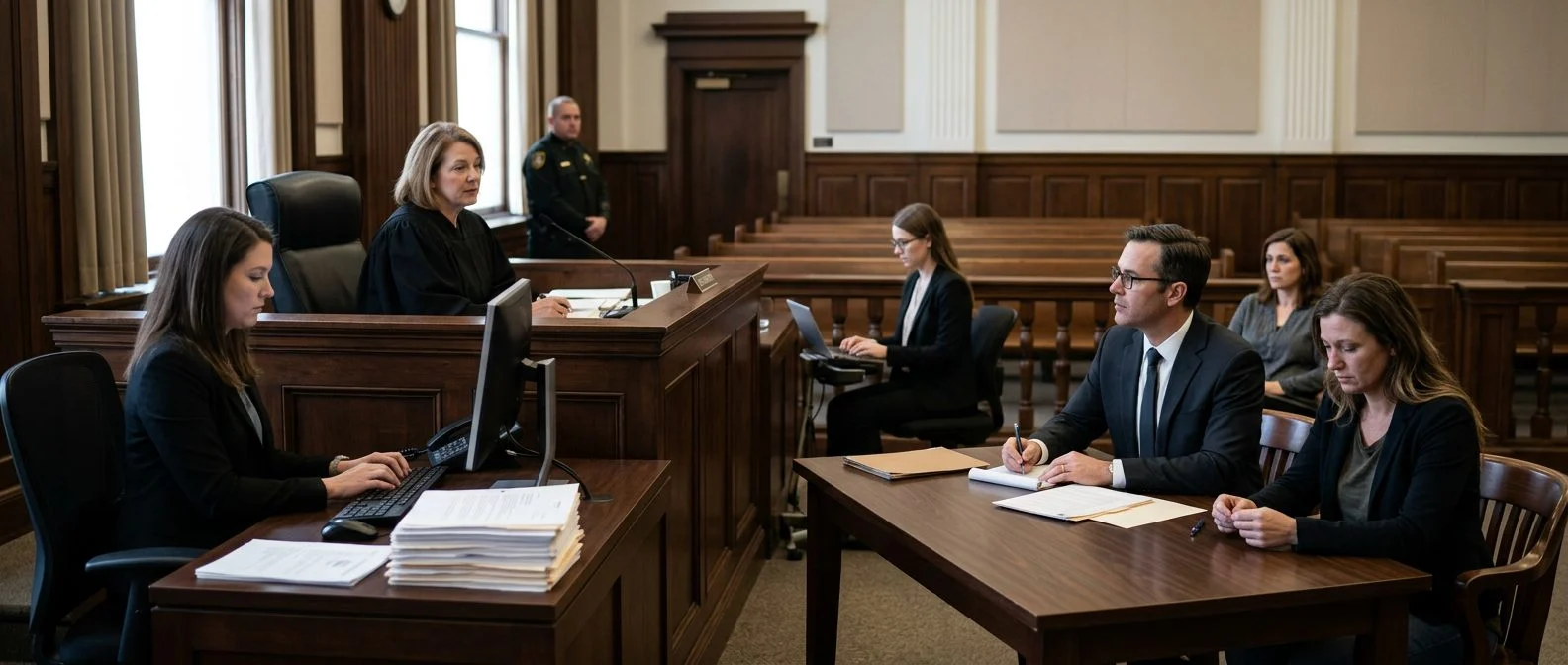
Represents you at the hearing. The attorney presents evidence and arguments before the judge, cross-examines witnesses, and responds to challenges from the other side. This is where the case is won or lost.
Navigates county-specific procedures. Each Florida county has local court rules and practices. An attorney familiar with your jurisdiction ensures you comply with every requirement and understands how the local court typically handles these cases.
Explains your rights and options. The attorney clarifies what happens if the petition is granted, what treatment looks like, your role going forward, and what to do if the petition is denied.
How Long Does a Marchman Act Take?
The timeline varies, but here’s what typically happens:
At this hearing, the judge decides whether to order temporary detention for assessment. The person is held while the court prepares for the full hearing.
At this hearing, both sides present evidence and arguments. The judge decides whether to order involuntary assessment and treatment.
Timeline varies by county, court docket, and case complexity. An attorney familiar with your local court can give you realistic expectations for your area.
Who Pays for the Marchman Act in Florida?
Understanding costs upfront helps you plan. Here’s the breakdown:
Florida law (s. 397.6814, F.S.) provides that no fee may be charged for filing a Marchman Act petition.
Attorney fees depend on the attorney’s billing structure and the complexity of your case. Some attorneys charge a flat fee for a straightforward petition and hearing; others bill hourly.
Assessment and treatment costs may be covered by insurance, Medicaid, or the person’s own resources. Some facilities offer sliding-scale fees based on ability to pay.
A legal counsel can explain the full cost picture upfront so you understand what to expect and can budget accordingly.
Not sure what your next step is?
Talk it through with our team — the first consultation is free, confidential, and carries no obligation.
Can You Marchman Act Yourself?
However, procedural errors, incomplete documentation, or weak legal arguments can result in the petition being dismissed. You’ll have wasted time and money and will need to start over.
An attorney increases the likelihood that your petition meets all requirements and presents the strongest possible case to the court. Many families choose legal representation to reduce stress and improve outcomes during an already difficult time. The cost of an attorney is often far less than the cost of a failed petition and the continued crisis.
What the Marchman Act Does (and Doesn’t)
The Marchman Act allows the court to order involuntary assessment and treatment for substance abuse. It provides a legal mechanism when voluntary options have failed and danger is present.
When a Court Can Order Treatment Under the Marchman Act
A court can order involuntary assessment and treatment when:
- They pose a substantial threat of serious bodily harm to themselves or others, or are unable to care for themselves
- They have refused or are unlikely to accept voluntary treatment
- The court finds that less restrictive alternatives are insufficient
An attorney helps you gather and present evidence that these conditions are met. This evidence—medical records, incident reports, witness statements, documentation of failed voluntary attempts—is what convinces the judge.
Substances the Marchman Act Covers
The Marchman Act applies to abuse of:
- Alcohol
Frequently Asked Questions About Marchman Act Legal Help
Q: Will my loved one know I filed the petition?
Yes, they will be notified and have the right to contest it at the hearing. Transparency is built into the process.
Q: What if the petition is denied?
An attorney can discuss whether to refile with stronger evidence, pursue other legal options, or explore alternative interventions.
Q: Can the person be forced to stay in treatment after the initial assessment?
If the assessment confirms substance abuse and danger, the court can order continued treatment. Legal counsel advises on the next steps and your role.
Q: Is this the same as a Baker Act?
No. The Baker Act addresses mental health crises; the Marchman Act is specific to substance abuse. They are separate legal mechanisms.
Q: What happens if they refuse treatment after the court order?
The facility and court can enforce compliance. Legal counsel advises on enforcement options and what recourse you have.
If you're considering a Marchman Act petition for a loved one struggling with addiction, reach out to discuss your situation and explore whether this legal path is right for your family. Talk it through with our team — the first consultation is free, confidential, and carries no obligation.
Why Robinson & Casey Focuses on Marchman Act Petitions
Robinson & Casey concentrates exclusively on Marchman Act petitions and guardianship matters in Florida. We serve families across South Florida and statewide who are navigating substance abuse crises and need experienced legal guidance. We understand the emotional and procedural complexity of these cases and work to make the process as clear and manageable as possible.
Because this is all we do, our practice is limited to Marchman Act and guardianship matters. We guide families through every stage of the Marchman Act process and can answer your questions with confidence.

Next Steps: Getting Legal Guidance When You Need It
If you’re considering a Marchman Act petition, you’re likely facing an urgent and stressful situation. A consultation with an attorney who focuses on this area can clarify whether the Marchman Act is right for your circumstances, what the process will look like, and what to expect.
You don’t have to navigate this alone. Contact Robinson & Casey to discuss your situation and get the legal guidance you need. You can also call us at (561) 849-4149 to speak with an attorney about your specific circumstances and next steps.
How Our Firm Supports Families
Plain-language guidance
We explain the Marchman Act process, the court steps involved, and what to expect at each stage in terms you can use.
Petition and court support
Our team helps prepare the documents and paperwork that Florida courts require for these matters.
Responsive scheduling
Families facing urgent situations can reach our office to arrange a consultation as soon as possible.
Confidential from the start
Your first conversation with us is confidential, and you are never required to continue with the firm afterward.
Do Not Wait Until a Crisis Escalates
Addiction and mental health emergencies can change quickly. Speaking with an attorney early helps you understand the options available to your family before the situation becomes more urgent.
Matters Our Firm Handles
Marchman Act Petitions
Guidance on filing and presenting a Marchman Act petition to help a family member facing substance use disorder.
Involuntary Commitment for Addiction
Legal support for families navigating involuntary commitment proceedings under Florida law.
Guardianship Matters
Representation in guardianship proceedings, including plenary, limited, and emergency temporary guardianship.
Mental Health Guardianship
Assistance with guardianship cases where a person's mental health condition affects their ability to make decisions.