
Marchman Act Petitions
Common Reasons for Marchman Act Emergency Admission
Understanding when involuntary commitment for addiction may be necessary in Florida
By Richard J. Casey III, Esq. · Published October 04, 2026
Marchman Act Emergency Admission in Florida: Common Reasons & Legal Process
Substance abuse crises often develop fast. A loved one may spiral from manageable use to life-threatening behavior in days or weeks. When someone refuses help and danger is immediate, the Marchman Act provides a civil court pathway for emergency intervention.
Under Fla. Stat. § 397.675, Florida courts can order involuntary assessment when a person abuses substances and poses substantial threat of harm. This Marchman Act emergency admission process allows judges to authorize immediate intervention when persuasion has failed.

Not sure what your next step is?
Talk it through with our team — the first consultation is free, confidential, and carries no obligation.
What Is Marchman Act Emergency Admission?
The Marchman Act allows Florida courts to order immediate involuntary assessment and treatment for substance abuse. Emergency admission is the civil court pathway to intervention when addiction reaches crisis.
The law applies to alcohol, controlled substances, and other intoxicating chemicals. When a judge finds good faith reason to believe someone is substance-impaired and poses danger, an emergency order can issue the same day or within 24 hours.
The person is then transported to a licensed facility for evaluation. They may be held for up to five days for assessment and treatment planning.
Common Reasons for Marchman Act Emergency Admission
Several situations commonly trigger Marchman Act petitions among families Robinson & Casey works with across South Florida and statewide:
Acute overdose risk or recent overdose. A loved one nearly overdosed, survived an overdose, or displays patterns making overdose imminent. This is often the most urgent trigger.
Rapid escalation in substance use. Someone who managed their use suddenly spirals—using far more frequently, in larger amounts, or in dangerous ways. They cannot stop despite wanting to.
Refusal of voluntary treatment despite clear danger. The person knows they have a problem but will not enter a program or accept help. They deny severity or insist they can quit alone—while use worsens.
Behavioral changes indicating imminent harm. Aggression, threats of self-harm, reckless decisions, or statements about harming themselves or others. These changes often develop quickly during active use.
Medical complications from substance abuse. Respiratory distress, cardiac symptoms, severe dehydration, or other physical crises requiring immediate medical intervention.
Inability to care for basic needs. The person is no longer eating, sleeping, maintaining hygiene, or managing housing because active use has consumed their functioning.
Pattern of failed voluntary treatment attempts. The person entered rehab or counseling before but left early, relapsed immediately, or refused to engage. Voluntary pathways have been exhausted.
How Marchman Act Emergency Admission Works
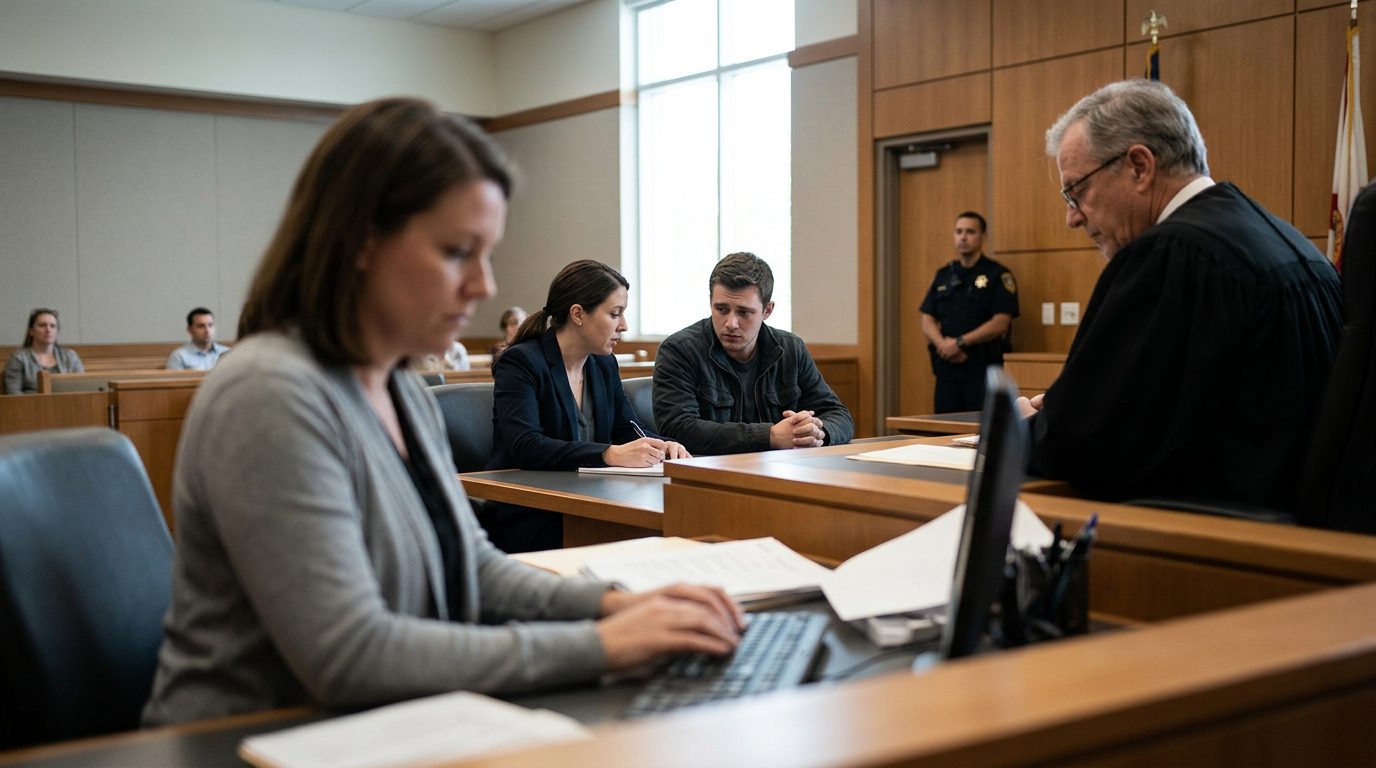
Filing a Marchman Act petition asks a Florida court to order immediate assessment and stabilization, typically at a licensed facility. The petition must demonstrate that the person abuses substances and poses substantial threat of harm due to that abuse.
A judge reviews the petition and supporting evidence—statements from family, medical records, documented incidents, behavioral observations. If the legal standard is met, an emergency order can issue the same day or within 24 hours.
Law enforcement or a behavioral health mobile crisis team then transports the person to a screening facility. Once admitted, medical and behavioral health professionals evaluate them. They may be held for up to five days while clinicians assess addiction severity, medical needs, withdrawal risk, and appropriate care level.
During this time, a treatment plan is developed. The person may then be discharged, referred to outpatient care, or admitted to longer-term treatment.
Have questions about what happened?
Ask our team directly. The first conversation is free, confidential, and there is no obligation to continue.
Recognizing a Crisis Requiring Emergency Intervention
Substance abuse crises develop quickly. Families often miss warning signs until the situation is urgent.
Common signs include dramatic personality changes, sudden isolation, neglect of health or hygiene, financial ruin, legal trouble, or statements about self-harm. You might notice they’re staying out all night, missing work or school, losing weight, or becoming defensive and secretive.
When someone refuses help and danger is immediate, waiting for voluntary compliance can be too risky. The Marchman Act exists for situations where persuasion has failed and intervention cannot wait. It’s not punishment—it’s a legal tool to interrupt active crisis and create space for professional evaluation and treatment.
Understanding Substance Use Disorder and Recovery
Substance use disorder is recognized by the National Institute on Drug Abuse as a chronic brain disorder affecting judgment, impulse control, and decision-making. Addiction is not a moral failing or something willpower alone can reverse.
Early intervention during acute crisis can interrupt the cycle of use. It creates an opening for professional evaluation and treatment planning. Involuntary admission does not ensure recovery, but it can stabilize someone medically and connect them with treatment professionals.
Many people who initially resisted involuntary treatment later reported that crisis intervention was necessary and helpful. They were not ready to choose help, but they were grateful someone stepped in when they couldn’t.
Filing a Marchman Act Petition: The Role of an Attorney
Filing a Marchman Act petition requires meeting specific legal standards and presenting evidence to a judge. An incomplete or poorly documented petition may be denied, delaying critical intervention during an urgent situation.
An attorney helps you file the petition correctly, gather supporting evidence, and present your case to a judge. They ensure the petition meets Florida’s legal requirements and advocate for your family during the hearing.
Robinson & Casey handles Marchman Act petitions for families across South Florida and statewide. We guide you through the filing process during urgent situations when you need clarity and action. Learn more about the Marchman Act process or explore our Marchman Act FAQs.

Frequently Asked Questions
Can you file a Marchman Act petition for alcohol abuse?
Yes. The Marchman Act applies to alcohol, controlled substances, and other intoxicating chemicals. Alcohol abuse posing substantial threat of harm meets the legal standard.
How quickly can an emergency order be issued?
If a judge finds the legal standard is met, an emergency order can issue the same day or within 24 hours.
What happens after admission?
The person is evaluated by medical and behavioral health professionals. They may be held for up to five days for assessment and treatment planning. A treatment plan is developed during this time.
Does involuntary admission ensure recovery?
No. Involuntary admission creates an opening for assessment and treatment planning. Recovery depends on many factors, including the person’s engagement with treatment and ongoing support.
If you’re facing a situation where a loved one’s substance abuse has escalated to immediate danger—overdose risk, refusal of help, or behavioral changes suggesting harm—you’re not alone in wondering whether a Marchman Act emergency admission applies to your circumstances.
Families navigating this uncertainty contact Robinson & Casey regularly. We help you understand your options and guide you through the petition process. Call us at (561) 849-4700 or contact Robinson & Casey to discuss your situation and learn whether an emergency Marchman Act petition may help your family.
When Emergency Admission May Be Appropriate
Immediate Danger to Self or Others
Substance abuse has escalated to the point where the person poses a substantial threat of harm through their actions, behavior, or stated intent. This includes active overdose risk, suicidal ideation, or violent behavior tied to intoxication.
Loss of Control Over Use
The individual has lost the ability to stop or reduce use despite serious consequences—job loss, legal trouble, family breakdown, or health crises—and refuses voluntary treatment or has failed repeated attempts at recovery.
Severe Withdrawal or Medical Crisis
Sudden cessation of alcohol or certain drugs poses acute medical danger, including seizures, delirium, or cardiac complications. Emergency admission protects the person during medically supervised detoxification.
Inability to Care for Basic Needs
Addiction has progressed to the point where the person cannot reliably feed, house, or care for themselves, and substance use continues to worsen despite deteriorating living conditions.
Want to know where you stand?
Tell us what happened and our team will walk you through the options available to you, at no cost.
The Marchman Act Process
Petition Filing
A family member or authorized person files a petition in court alleging that the individual meets Florida's legal standard for emergency admission due to substance abuse.
Rapid Court Review
The court can issue an emergency order the same day if the judge finds the legal standard is met, allowing immediate admission to a treatment facility.
Involuntary Treatment
The individual receives court-ordered evaluation and treatment for alcohol, controlled substances, or other intoxicating chemicals, with the goal of stabilization and recovery planning.
Legal Protections
The Marchman Act balances the need for emergency intervention with due process rights, including notice, the opportunity to be heard, and periodic court review of the order.
Act Quickly in Crisis
If someone is in immediate danger due to substance abuse, emergency admission may be the only way to interrupt a life-threatening pattern. Delays can be costly. Robinson & Casey can help you understand whether a Marchman Act petition is appropriate and guide you through filing.
Frequently Asked Questions
Can a Marchman Act petition be filed for alcohol abuse?
Yes. The Marchman Act applies to alcohol, controlled substances, and other intoxicating chemicals. Alcohol abuse that poses a substantial threat of harm meets the legal standard for emergency admission.
Who can file a Marchman Act petition?
Family members, physicians, mental health professionals, law enforcement, and other authorized persons may file. An attorney can advise you on standing and help prepare the petition.
What happens after an emergency order is issued?
The individual is admitted to a designated treatment facility for evaluation and care. The court sets a hearing date, and the person has the right to contest the order and present evidence.
Is a Marchman Act petition the same as guardianship?
No. A Marchman Act petition is a time-limited emergency intervention for substance abuse. Guardianship is a broader, ongoing arrangement that may address multiple aspects of a person's life and decisions.
Ready to Explore Your Options?
Related practice areas
- Marchman Act Attorney | Florida Involuntary Commitment for Addiction
- File a Marchman Act Petition in Florida | Step-by-Step Process
- Marchman Act Rights & Protections in Florida | Person’s Legal Status
- Help an Alcoholic Who Doesn’t Want Help: Florida Legal