
Addiction Treatment & Involuntary Commitment
Involuntary Commitment vs. Baker Act for Addiction
Understanding the difference between Florida's two civil commitment statutes and which applies when addiction is the primary concern.
By Richard J. Casey III, Esq. · Published September 29, 2026
Involuntary Commitment vs. Baker Act for Addiction in Florida: Which Legal Tool Applies?
Florida offers two distinct legal pathways for involuntary intervention: the Baker Act for mental health crises and involuntary commitment for addiction under the Marchman Act. Understanding which statute applies to your loved one’s situation is critical—each has different criteria, procedures, and outcomes, and choosing the right one can open the door to appropriate, sustained treatment.

Not sure what your next step is?
Talk it through with our team — the first consultation is free, confidential, and carries no obligation.
Understanding the Two Pathways
Both the Baker Act and involuntary commitment are Florida statutes that allow intervention without a person’s consent, but they address fundamentally different situations. The Baker Act (Florida Statute Chapter 394) is a mental health crisis statute; involuntary commitment for addiction falls under the Marchman Act (Florida Statute Chapter 397). Knowing which statute applies is critical because each has different criteria, procedures, and outcomes.
What Is the Baker Act?
The Baker Act authorizes law enforcement, healthcare providers, and certain other professionals to place a person on an involuntary psychiatric hold for up to 72 hours. It applies when someone is experiencing a mental health crisis and poses a danger to themselves or others, or is gravely disabled. The Baker Act is not addiction-specific; it addresses acute psychiatric symptoms, psychosis, suicidal ideation, or severe mental illness. A Baker Act hold can be initiated by police, emergency medical personnel, or a licensed mental health professional without requiring a court petition first.
The 72-hour hold gives medical professionals time to evaluate, stabilize, and determine next steps. After those three days, the person is either released, admitted voluntarily to a facility, or transferred to another care setting.
What Is Involuntary Commitment for Addiction?
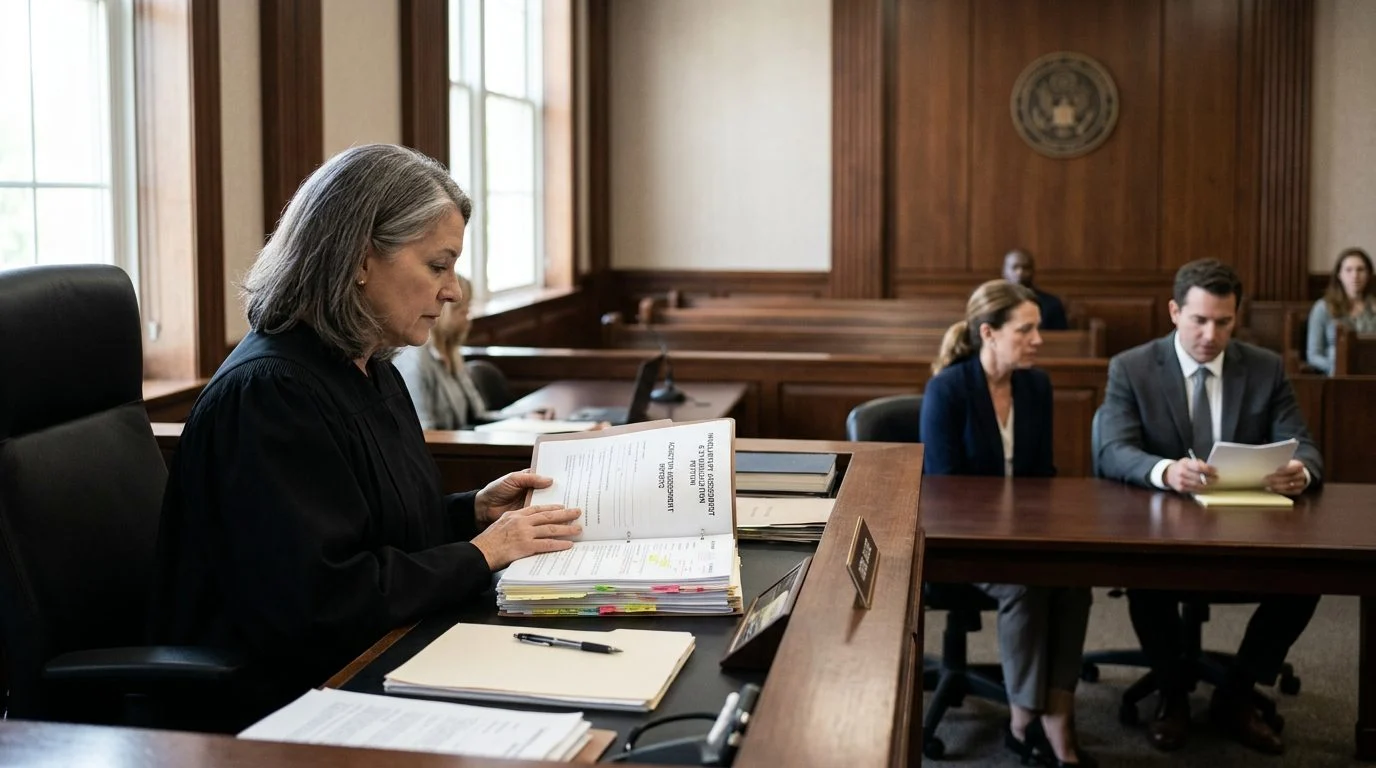
Involuntary commitment for addiction in Florida is governed by the Marchman Act, which is the state’s addiction-specific statute. It allows a family member, healthcare provider, or other authorized person to petition a court for involuntary assessment and treatment of someone with a substance use disorder. Unlike the Baker Act’s immediate 72-hour hold, involuntary commitment for addiction involves a court petition and judicial review.
The Marchman Act is designed specifically for individuals whose addiction has reached a point where they cannot or will not seek help voluntarily. According to the Substance Abuse and Mental Health Services Administration (SAMHSA), substance use disorder is a recognized medical condition requiring evidence-based treatment, and the Marchman Act provides the legal mechanism for court-ordered intervention when voluntary treatment is refused.
Key Differences: Scope and Purpose
The two statutes serve distinct purposes:
- Baker Act: Mental health crises (psychiatric emergency, acute mental illness, danger to self or others).
- Involuntary Commitment (Marchman Act): Substance use disorder and addiction.
The Baker Act is an emergency tool—typically initiated by law enforcement or emergency personnel on the spot. Involuntary commitment under the Marchman Act is a court-based process, typically initiated by a family member or healthcare provider filing a petition with the court.
A Baker Act hold lasts up to 72 hours for evaluation and stabilization. Involuntary commitment under the Marchman Act can lead to longer-term court-ordered treatment and monitoring. The Baker Act is automatic; no judicial approval is needed for the initial hold. Involuntary commitment requires judicial approval; a judge reviews the evidence and decides whether to order assessment and treatment.
When Does the Baker Act Apply to Addiction?
The Baker Act may be used if someone with an addiction is also experiencing an acute mental health crisis—for example, severe intoxication causing dangerous behavior, or co-occurring mental illness such as depression or psychosis. However, the Baker Act alone does not address the underlying addiction; it addresses the immediate psychiatric emergency.
After a Baker Act hold, if addiction is the primary concern, involuntary commitment under the Marchman Act may be the appropriate next step. The two statutes can work together: the Baker Act stabilizes the crisis, and the Marchman Act addresses the substance use disorder itself.
Have questions about what happened?
Ask our team directly. The first conversation is free, confidential, and there is no obligation to continue.
When Is Involuntary Commitment for Addiction the Right Choice?
Involuntary commitment for addiction is the right choice when:
- Someone has a substance use disorder and refuses voluntary treatment.
- Addiction is causing serious harm to the person or their family, and intervention is necessary.
- A family member or healthcare provider believes court-ordered assessment and treatment is needed.
- The goal is to establish a legal pathway to sustained treatment and recovery support, not just crisis stabilization.
The Petition Process: Involuntary Commitment vs. Baker Act
The two pathways differ significantly in how they begin and proceed:
Baker Act: No petition required; law enforcement or emergency personnel can initiate a hold on the spot. It happens immediately; the person is transported to a mental health facility. Automatic; no judicial approval is needed for the initial hold.
Involuntary Commitment: A formal petition must be filed with the court, typically by a family member, physician, or other authorized party. Requires a court hearing; the person has the right to contest the petition. Judicial approval is required; a judge reviews the evidence and decides whether to order assessment and treatment.
Outcomes and Next Steps
The two statutes produce different outcomes:
Baker Act: After 72 hours, the person is either released, admitted voluntarily, or transferred to another facility. Designed for immediate crisis response; does not typically result in long-term treatment mandates.
Involuntary Commitment: If the court finds grounds, the person is ordered into assessment and may be placed in treatment for a defined period. Designed to establish court-ordered treatment and recovery monitoring; can include ongoing judicial oversight.
Can Both Apply?
Yes. Someone may be placed on a Baker Act hold for a mental health crisis, and separately, an involuntary commitment petition may be filed for addiction. The two statutes serve different purposes and can be used in sequence or simultaneously, depending on the circumstances.
For example, if someone is intoxicated and dangerous, a Baker Act hold may stabilize the immediate crisis; then an involuntary commitment petition can address the underlying addiction. This two-step approach ensures both the emergency and the long-term treatment need are addressed.
Why This Distinction Matters for Your Family
Understanding which statute applies helps you choose the right legal tool for your loved one’s situation. If addiction is the primary issue, involuntary commitment under the Marchman Act is the statute designed for that purpose. If a mental health crisis is happening alongside addiction, the Baker Act may address the immediate emergency, but involuntary commitment may be needed for the addiction itself.
Choosing the correct pathway can mean the difference between a short-term hold and access to sustained, court-ordered treatment. Many families find that understanding these distinctions upfront saves time and helps them move toward recovery more effectively.
Frequently Asked Questions
Can the Baker Act be used to force someone into addiction treatment?
The Baker Act addresses mental health crises, not addiction specifically. If addiction is the primary concern, the Marchman Act is the appropriate statute for court-ordered treatment.
How long does involuntary commitment for addiction last in Florida?
The length depends on the court order and the individual’s progress in treatment; it can range from a few weeks to several months, with ongoing judicial oversight.
Who can file a Marchman Act petition?
A family member, physician, mental health professional, or other authorized party can file a petition for involuntary commitment for addiction.
What happens if someone contests an involuntary commitment petition?
The person has the right to a hearing before a judge, who will review the evidence and decide whether to order assessment and treatment.

Want to know where you stand?
Tell us what happened and our team will walk you through the options available to you, at no cost.
Getting Help With Involuntary Commitment for Addiction
If you are considering involuntary commitment for a loved one with an addiction, Robinson & Casey can guide you through the petition process. We handle Marchman Act petitions and involuntary commitment cases throughout South Florida and statewide. Understanding your options and the legal requirements is the first step toward helping your loved one access treatment.
If you’re weighing whether the Baker Act or involuntary commitment is right for a loved one struggling with addiction, families in your situation reach out to us regularly—let’s talk through your options. Contact us today to schedule a consultation or call (561) 849-4700.
Key Distinction
The Baker Act addresses mental health crises. When addiction is the primary concern, the Marchman Act is the appropriate statute for court-ordered evaluation and treatment in Florida.
Baker Act vs. Marchman Act: Quick Comparison
Baker Act (Mental Health Crisis)
Addresses acute mental health emergencies. Allows law enforcement, mental health professionals, or physicians to initiate involuntary examination for up to 72 hours. Not designed for addiction as a primary diagnosis.
Marchman Act (Addiction Treatment)
Specifically authorizes court-ordered evaluation and treatment for substance abuse. Family members, healthcare providers, or law enforcement can petition the court. Designed for cases where addiction is the primary concern.
Overlap & Complexity
When mental illness and addiction co-occur, determining which statute applies requires careful legal analysis. The primary diagnosis and the petitioner's goals matter significantly.
Duration & Next Steps
Baker Act holds last up to 72 hours; Marchman Act can authorize longer evaluation and treatment periods. Both may lead to continued voluntary or involuntary care depending on the outcome.
Why the Right Statute Matters
Correct Legal Grounds
Filing under the wrong statute can delay intervention or result in dismissal. Robinson & Casey ensures your petition uses the appropriate statute for your family's circumstances.
Faster Resolution
Choosing the Marchman Act when addiction is the primary issue accelerates the court process and access to treatment-focused intervention.
Protection of Rights
Both statutes include due process protections. We help families navigate these protections while pursuing the intervention your loved one needs.
Guidance Through Complexity
Robinson & Casey focuses exclusively on Marchman Act petitions and guardianship matters. We help families understand which path applies to their situation.
Unsure Which Statute Applies to Your Situation?
Related practice areas
- Involuntary Commitment for Addiction in Florida
- Involuntary Commitment For Addiction in Miami Dade
- Involuntary Commitment For Addiction in South Florida
- File an Involuntary Commitment Petition for Addiction in Florida