
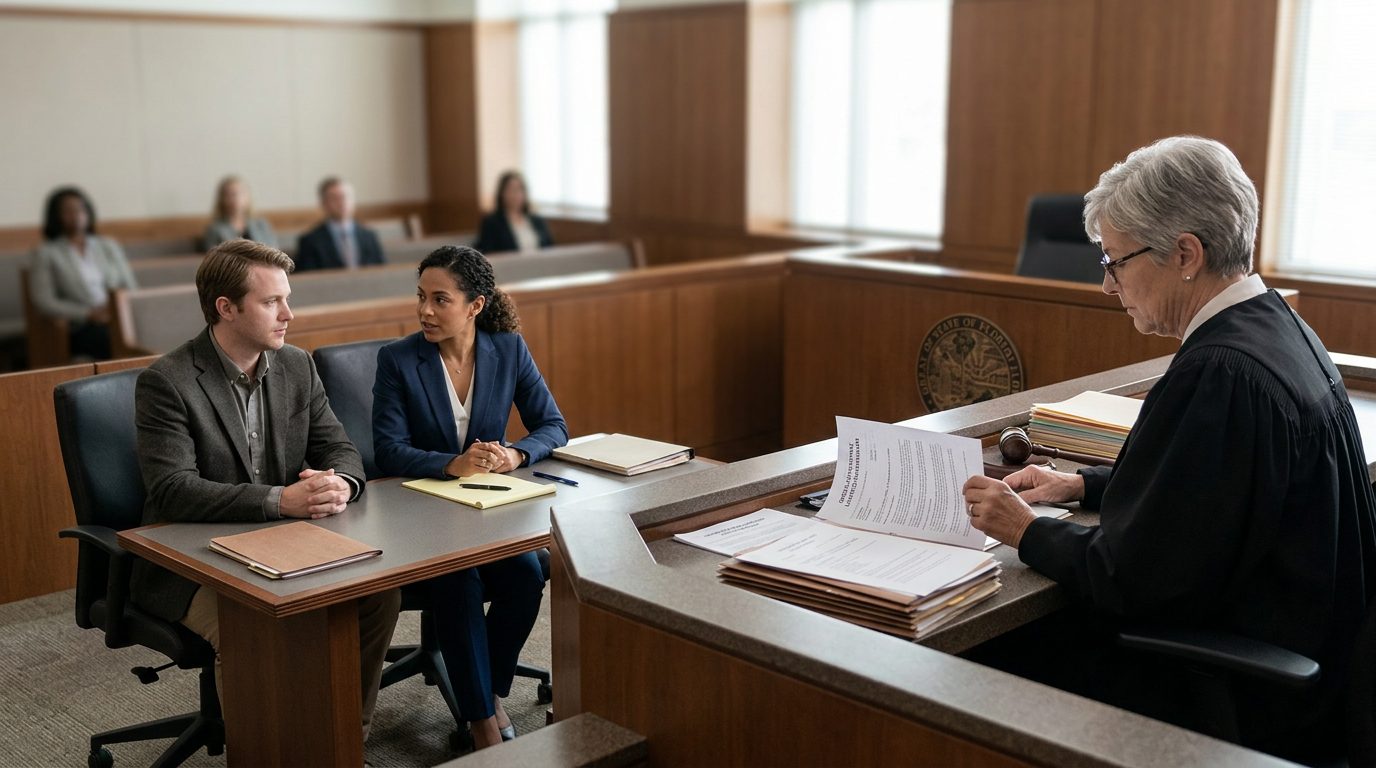
Legal Options for Substance Use Disorder
When Someone Won't Go to Rehab: Florida Legal Options
The Marchman Act and guardianship provide court-ordered pathways for families facing addiction refusal. Robinson & Casey handles these petitions throughout Florida.
By Richard J. Casey III, Esq. · Published October 01, 2026
What If Someone Doesn’t Want to Go to Rehab? Legal Options in Florida
When someone you love is struggling with addiction and refuses treatment, the helplessness can feel overwhelming. You can see the problem clearly. They cannot—or will not. Refusal to seek help is one of the most common and painful barriers families face, and it often feels like you have no choice but to watch the addiction worsen. In Florida, you do have options. The most significant is the Marchman Act, a legal pathway that allows families to petition a court for involuntary assessment and treatment when voluntary approaches have failed.
If you're watching someone you care about struggle with addiction and turn away from help, you're not alone—and you're not powerless. Reach out to discuss whether the Marchman Act or another legal pathway might fit your family's situation. Talk it through with our team — the first consultation is free, confidential, and carries no obligation.

The reality: addiction and refusal
Refusal to seek treatment isn’t a character flaw or a sign that your loved one is beyond reach. It’s a clinical feature of active addiction. Denial, fear of withdrawal, shame, lack of readiness, and distrust are all normal barriers—not obstacles unique to your situation.
When someone is actively using alcohol or drugs, their brain chemistry and survival instincts are telling them that the substance is necessary. They may not see the harm clearly. They may fear what will happen if they stop. They may have had a bad experience with treatment before, or they may simply not believe they have a problem worth solving. None of these beliefs require your agreement or acceptance. They just require your understanding.
Families often feel stuck between two impossible choices: enable the addiction by staying silent, or push so hard that the person withdraws further. Neither works. But there is a third path: legal intervention through the Marchman Act.
Can you help an alcoholic or addict that doesn’t want help?
Voluntary treatment requires the person’s willingness to participate, and willingness often comes only after consequences mount or crisis hits. However, Florida law recognizes that waiting for that moment can be dangerous—and that families shouldn’t have to wait alone.
Under Florida law, you can petition a court to order involuntary assessment and treatment for someone with a substance use disorder, even if they refuse. This is not the same as forcing someone into a private rehab facility on your own. It’s a legal process with court oversight, evidence standards, and judicial review.
The distinction matters: when a court makes the determination, the burden of persuasion shifts from you to the legal system. You present the facts. A judge decides. The person is then assessed by a treatment provider, and if they meet criteria, they may be ordered into treatment. This removes the emotional and relational strain of you being the “bad guy” and places the decision in a neutral, legal framework.
Understanding the Marchman Act in Florida
The Marchman Act (Fla. Stat. § 397.675) is a civil statute—not a criminal one—that allows a family member, healthcare provider, or law enforcement officer to file a petition for involuntary assessment and treatment of a person with a substance use disorder.
Here’s how it works:
Filing a petition. You (or another authorized person) file a petition with the court describing the person’s substance use, the harm it’s causing, and why you believe involuntary assessment is necessary.
Initial evaluation. A judge reviews the petition and may order an immediate temporary involuntary assessment if there is imminent danger to the person or others. This can happen without a full hearing, allowing rapid intervention in crisis situations.
The hearing. If the case proceeds to a full hearing, the court evaluates whether the person meets the legal criteria for involuntary assessment. You present evidence. The person has the right to be heard and represented.
Assessment and treatment. If the court orders involuntary assessment, the person is evaluated by a licensed treatment provider. Based on that assessment, the provider may recommend involuntary treatment, which the court may then order.
Duration and aftercare. Involuntary treatment orders typically last 5 days initially, with the possibility of extension. Aftercare planning and family involvement are critical to long-term recovery.
The Marchman Act is a tool designed for situations exactly like yours: when someone’s addiction is escalating, voluntary treatment has been refused, and family members are desperate for a legal way to intervene.
Why someone refuses rehab: common reasons
Understanding why your loved one is refusing treatment doesn’t mean you accept the refusal. It means you can respond more effectively and with less frustration.
Denial. The person may genuinely not believe they have a problem, or they may minimize its severity. This is not stupidity or stubbornness; it’s how addiction protects itself in the brain.
Fear of withdrawal. Stopping alcohol or drugs can cause physical and emotional withdrawal symptoms that are genuinely frightening. The person may fear losing control, experiencing pain, or facing emotions they’ve been numbing.
Shame and stigma. Many people associate treatment with failure, weakness, or public exposure. They may fear judgment from family, employers, or their community.
Lack of readiness. Recovery requires motivation, and motivation often comes only after enough pain accumulates. Your loved one may simply not be there yet—not because they never will be, but because they’re not there now.
Distrust. If past treatment was ineffective, if family members have broken promises, or if the person feels blamed rather than supported, they may refuse to try again.
Practical concerns. Job loss, financial strain, childcare, legal issues, or housing instability can make treatment feel impossible, even if the person wants it.
None of these reasons means your loved one cannot recover. They just mean that right now, the barriers to voluntary treatment are too high. That’s where the Marchman Act becomes relevant.
How to talk to someone who refuses help
Before considering legal intervention, it’s worth understanding how to have a conversation that might open a door.
Choose the right moment. Talk when the person is sober and calm, not during or immediately after use. Avoid times of high stress or conflict.
Lead with concern, not judgment. Say “I’m worried about you” rather than “You’re destroying your life.” The difference is subtle but powerful.
Use specific examples. Instead of “You’re a mess,” say “Last week you missed your daughter’s birthday, and the week before you lost your job. I’m scared about where this is heading.”
Listen without fixing. Ask what’s stopping them from seeking help. Listen to the answer. Don’t interrupt to convince them they’re wrong.
Avoid ultimatums initially. Ultimatums can backfire, pushing the person away. Focus first on understanding their perspective and expressing your concern.
Offer support for treatment. Let them know you’ll help with practical barriers—transportation, childcare, insurance—if they’re willing to try.
These conversations don’t always work. But they sometimes do, and they’re worth attempting before escalating to legal action. They also provide documentation of your efforts, which can be helpful if you later file a Marchman Act petition.
Not sure what your next step is?
Talk it through with our team — the first consultation is free, confidential, and carries no obligation.
Setting boundaries without enabling
While you’re trying to help, you also need to protect yourself and avoid inadvertently prolonging the addiction through enabling.
Enabling means providing money, housing, or cover for consequences in a way that allows the person to continue using without facing natural results. When you pay their bills, make excuses for them, or bail them out of legal trouble, you’re removing incentives for change.
Healthy boundaries look different. They might include:
- Refusing to lend or give money that could fund use
- Not making excuses for missed work, family events, or obligations
- Not allowing the person to live with you rent-free or without accountability
- Not covering legal, financial, or medical consequences
- Stepping back from trying to control or manage their addiction
Boundaries are not punishment. They’re limits on what you will accept and what you will enable. You can set a boundary with compassion: “I love you, and I won’t give you money that I believe will be used for drugs. I will help you find treatment.”
Setting boundaries is hard. It often feels selfish or cruel. But boundaries are one of the few tools that sometimes create the natural consequences that motivate change. And they protect your own mental and financial health while you’re navigating this crisis.
When voluntary approaches aren’t working: legal options
If conversations have failed, boundaries haven’t motivated change, and the addiction is escalating, the Marchman Act may be the right next step.
Signs that involuntary intervention may be necessary include:
- Repeated refusal of treatment despite clear harms
- Escalating use or risky behavior
- Imminent danger to the person or others
- Loss of housing, employment, or custody
- Overdose risk or medical complications
If any of these apply, consulting with an attorney who handles Marchman Act petitions can help you understand whether filing is appropriate and what to expect.
The legal process removes the burden from you. You don’t have to convince your loved one. You present evidence to the court. A judge decides. If the court agrees, the person is assessed and potentially ordered into treatment. Many people who initially resist involuntary treatment later recognize its value, particularly when treatment is combined with family support and structured aftercare.
Does involuntary commitment work?
This is the question every family asks, and the answer is nuanced: involuntary treatment can be effective, but outcomes vary from person to person.
Research from the Substance Abuse and Mental Health Services Administration (SAMHSA) indicates that involuntary treatment produces outcomes comparable to voluntary treatment, particularly when combined with ongoing family involvement and aftercare planning. The person’s engagement matters, even in involuntary settings. Someone who is ordered into treatment but then actively participates in therapy, attends groups, and works on recovery can achieve real, lasting change.
Many people report that involuntary treatment, while initially unwelcome, became a turning point. The structure, the removal from their using environment, the access to counseling and medical care, and the time away from daily triggers can interrupt the cycle and create space for change to begin.
Success depends on several factors: the quality of the treatment program, the person’s willingness to engage (which often grows over time), family involvement and support, and a solid aftercare plan. Involuntary treatment is not a cure. It’s an intervention—a way to interrupt active addiction and create the conditions for recovery to begin.
Your role as a family member
You cannot force recovery. You cannot want it more than your loved one does. But you can take legal action to create the conditions for it, and you can protect yourself while you do.
Your own wellbeing matters. Supporting someone in active addiction is emotionally taxing. You may experience grief, anger, fear, and exhaustion. Family support groups like Al-Anon and Nar-Anon exist specifically to help family members navigate this. Therapy can help you process your feelings and develop coping strategies.
Documenting your loved one’s behavior—dates, incidents, statements, overdoses, arrests, job losses—can be valuable if you later file a Marchman Act petition. Keep records of your attempts to help, conversations about treatment, and specific harms caused by the addiction.
Staying informed about your options empowers you to act when needed. The Marchman Act is not the first resort. It’s the option you turn to when other approaches have failed and danger is mounting. Knowing it exists, understanding how it works, and having an attorney you can consult gives you a sense of agency in a situation that often feels completely out of control.
Next steps if you’re facing this situation
If you’re reading this because someone you love is refusing treatment and you’re running out of ideas, here’s what to consider:
-
Assess the immediate safety. Is the person in imminent danger? Are overdoses, violence, or medical crises likely? If yes, the timeline for intervention is urgent.
-
Gather information. Document the person’s use, the harms it’s causing, and any statements they’ve made about not wanting help. Collect medical records, arrest reports, or other evidence of the addiction’s impact.
-
Understand the Marchman Act process. Learn how it works in your county. The process varies slightly by jurisdiction, and an attorney can walk you through it.
-
Consult with a Marchman Act attorney. An attorney can review your specific situation, advise whether filing is appropriate, and guide you through the petition and hearing process. This removes guesswork and ensures you’re taking the right legal steps.
-
Connect with family support. Reach out to Al-Anon, Nar-Anon, or a family therapist. You don’t have to navigate this alone.
The Marchman Act exists because families in your situation deserve a legal pathway forward. You’ve tried talking. You’ve set boundaries. You’ve watched the addiction worsen. It’s time to consider whether court-ordered assessment and treatment might be the intervention your loved one needs—and that you deserve to have access to.
If you're watching someone you care about struggle with addiction and turn away from help, you're not alone—and you're not powerless. Reach out to discuss whether the Marchman Act or another legal pathway might fit your family's situation. Talk it through with our team — the first consultation is free, confidential, and carries no obligation.

FAQ
Can you force someone into rehab in Florida?
Through the Marchman Act, yes—a family member or healthcare provider can petition a court to order involuntary assessment and treatment for someone with a substance use disorder who refuses voluntary care.
How long does the Marchman Act process take?
An emergency temporary involuntary assessment can be ordered immediately if there is imminent danger. A full hearing typically occurs within a few days to weeks, depending on the court’s schedule.
What happens if someone refuses to comply with a court order for treatment?
Refusing to comply with a court order can result in contempt of court charges, which may include fines or jail time. However, treatment providers also work to engage the person once they arrive.
Is involuntary treatment as effective as voluntary treatment?
Research shows comparable outcomes, particularly when combined with family involvement and aftercare. The person’s willingness to engage matters, even if they didn’t choose to enter treatment initially.
Do I need a lawyer to file a Marchman Act petition?
You can file without a lawyer, but an attorney experienced in Marchman Act cases can ensure your petition is complete, compelling, and likely to succeed. The stakes are high enough that legal guidance is strongly recommended.
What if my loved one completes involuntary treatment but then relapses?
Relapse is common in recovery. A solid aftercare plan—including ongoing therapy, support groups, and family involvement—significantly reduces relapse risk. If relapse occurs, additional treatment or another Marchman Act petition may be necessary.
If you’re in the position of watching someone you care about refuse help while their addiction deepens, you understand the particular kind of helplessness that comes with it. You’ve likely tried everything you can think of—conversations, ultimatums, family pressure, offers of support. And none of it has worked. That doesn’t mean you’re out of options. It means it’s time to explore a different kind of intervention: a legal one.
Robinson & Casey handles Marchman Act petitions for families across South Florida and statewide. We understand the emotional weight of these decisions and the urgency of the situations that prompt them. If you’re considering whether involuntary assessment and treatment might be the right step for your loved one, contact us for a confidential consultation. We can review your specific circumstances, explain how the Marchman Act works in your situation, and help you understand what to expect. Families facing this crisis reach out to us regularly—and we’re here to help you navigate it.
Two Primary Legal Pathways
Marchman Act Petition
Florida's involuntary commitment statute allows a family member or healthcare provider to petition a court to order assessment and treatment for someone with a substance use disorder who refuses voluntary care. An emergency temporary assessment can be ordered immediately; a full involuntary commitment follows a hearing.
Guardianship
When a person lacks capacity to make safe decisions about their care, guardianship may grant a family member legal authority to direct treatment. Options include emergency temporary guardianship (immediate relief), limited guardianship (specific decisions only), and plenary guardianship (full authority).
Why Robinson & Casey
Petition Preparation & Filing
We handle the complete petition process—drafting, filing, and representing you at hearings in Miami-Dade and throughout South Florida.
Emergency Temporary Relief
When immediate intervention is needed, we move quickly to obtain emergency temporary guardianship or involuntary assessment orders.
Court Representation
We appear on your behalf at all hearings and work with the court to establish the legal framework for treatment access.
Family Guidance
We explain your options, the process, and what to expect—so you understand each step and can make informed decisions.
Time Matters
Substance use disorder progresses. If someone you care for is refusing help, waiting often makes the situation worse. Legal intervention can remove the barrier of refusal and create access to treatment.
Common Questions
Can you force someone into rehab in Florida?
Yes. Through the Marchman Act, a family member or healthcare provider can petition a court to order involuntary assessment and treatment for someone with a substance use disorder who refuses voluntary care.
How long does the Marchman Act process take?
An emergency temporary involuntary assessment can be ordered immediately. A full involuntary commitment follows a court hearing, typically within days. The exact timeline depends on the court's schedule and case specifics.
What is the difference between limited and plenary guardianship?
Limited guardianship grants authority over specific decisions (such as treatment decisions only), while plenary guardianship grants full authority over personal and financial matters. The court determines which is appropriate based on the person's actual incapacity.
Do I need a lawyer to file a Marchman Act petition?
You can file without an attorney, but the process involves legal standards, court procedures, and evidence requirements. An attorney ensures your petition is properly prepared and presented to the court.